Design life before unit price
Wind and solar projects are normally evaluated over 25-30 years. The fastener decision should start from inspection interval, replacement access, corrosion exposure and lost-generation cost, not only piece price.
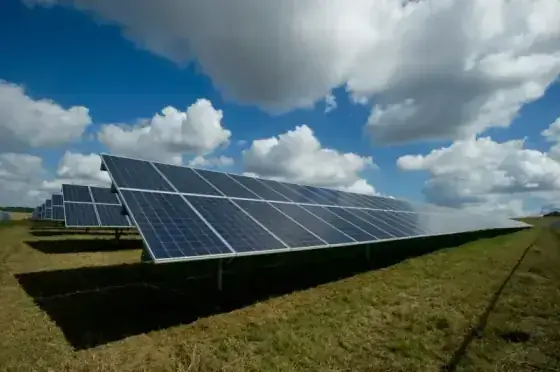
Solar & Wind Renewable Energy
Engineered for 25+ years of reliable service in harsh outdoor environments — maximizing energy output and minimizing maintenance across wind, solar and hybrid renewable projects.
Renewable assets operate unattended for decades in environments that accelerate corrosion, fatigue and loosening — offshore salt spray, desert UV, daily tracker cycling and megawatt-scale dynamic wind loads. A single joint failure triggers costly downtime, crane mobilization and lost generation revenue.
The right fastening system is not a commodity purchase — it is a lifecycle engineering decision that directly impacts Levelized Cost of Energy (LCOE).
Wind and solar projects are normally evaluated over 25-30 years. The fastener decision should start from inspection interval, replacement access, corrosion exposure and lost-generation cost, not only piece price.
A reliable renewable joint combines bolt or stud, nut, washer, coating, thread condition, tightening method, mating material and documentation into one controlled system.
Onshore wind, offshore splash zones, desert solar and aluminum rail systems require different combinations of alloy steel, stainless steel, duplex stainless and protective coatings.
For wind tower, tracker and structural joints, the coating is not only corrosion protection. It also affects friction coefficient, torque-tension behavior and preload repeatability.
Continuous exposure to UV, salt spray (offshore), humidity and extreme temperature cycling over 25–30 year design life.
Wind turbines endure millions of load cycles; solar trackers face daily mechanical actuation — both demand fatigue-resistant joints.
Remote and offshore locations tolerate minimal maintenance — connections must remain reliable without intervention.
Mixed assemblies of aluminum frames, coated steel, stainless and composites require deliberate material and coating pairing.
Higher upfront fastener quality reduces inspection, replacement and lost-generation costs over the asset lifetime.
Wind and solar are distinct engineering environments — each demands purpose-built fastening strategies, materials and coatings.
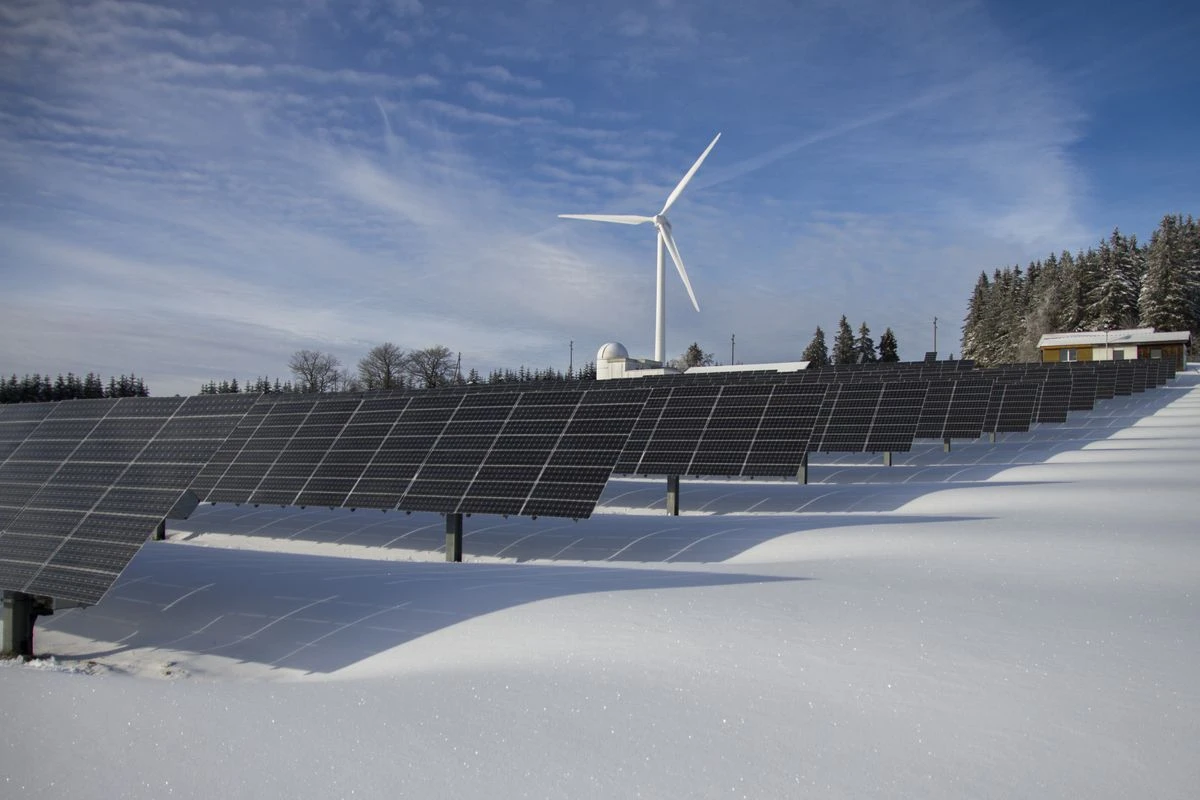
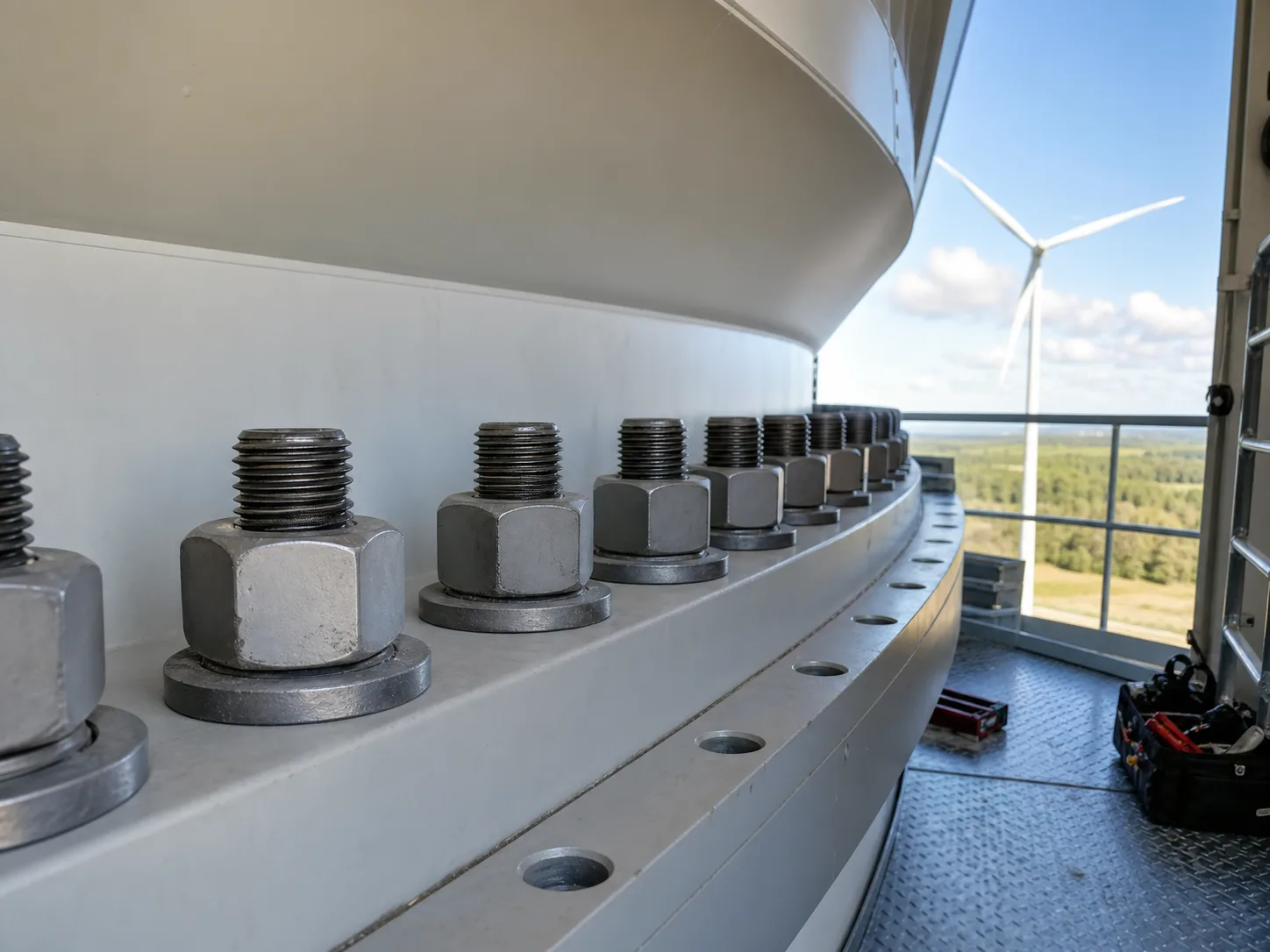
Fastening Challenge We Overcome
Cyclic Wind LoadingTower base and flange joints experience billions of micro-load reversals. Fasteners must resist fatigue crack initiation while maintaining clamp load — a failure mode invisible until catastrophic.
Tower flange joints and nacelle structural connections are among the highest-loaded fasteners in renewable energy — subject to alternating bending, torsion and axial loads across 20+ years of operation.
Technical Focus: Fatigue life (≥ 10⁷ cycles), controlled friction coefficient (μ) for repeatable preload, and coating systems rated for C4/C5 corrosivity.
Fastening system logic
Wind tower joints see cyclic bending, axial load, tower vibration, temperature swing and long inspection intervals. Large-diameter fasteners must hold preload consistently after coating, transport, field storage and installation.
Joint function: Maintain clamp load across tower flanges, foundation interfaces, nacelle frames and yaw-related structural joints so the connection resists slip, fatigue and loosening over decades of operation.
Common field risk: The common mistake is treating tower bolts as ordinary high-strength bolts. If coating friction and nut-washer compatibility are not controlled, the nominal grade may pass but the installed preload may be wrong.
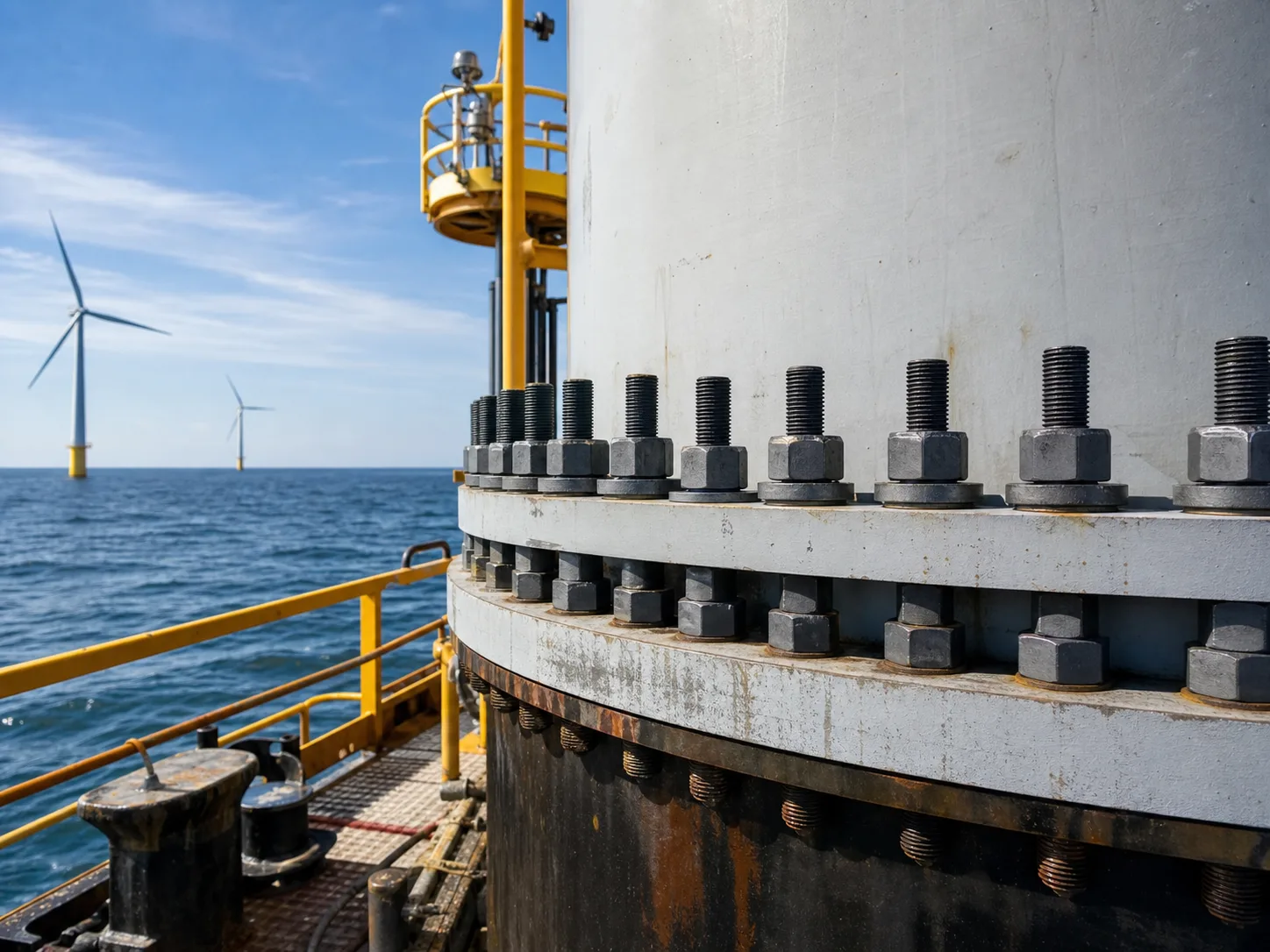
Fastening Challenge We Overcome
Marine Corrosion (C5-M / CX)Standard carbon steel and even 316L may fail in splash zones within years. Super duplex and purpose-designed coating systems are mandatory for offshore asset life.
Monopile, jacket and transition piece connections in splash and submerged zones face the most aggressive corrosion environment in renewable energy.
Technical Focus: Pitting/crevice corrosion resistance (PREN ≥ 40), C5-M/CX coating systems, and full material traceability for DNV/GL documentation.
Fastening system logic
Offshore wind fasteners face salt spray, splash-zone wet/dry cycling, chloride concentration, crevice corrosion, restricted maintenance access and long downtime cost if replacement requires offshore mobilization.
Joint function: Maintain structural and flange integrity in monopile, jacket, transition piece, platform and auxiliary equipment connections while resisting chloride corrosion and crevice attack.
Common field risk: The common mistake is selecting “marine stainless” as a single answer. Offshore splash-zone joints are corrosion systems; grade, washer face, crevice geometry and installation method must be reviewed together.
Fastening Challenge We Overcome
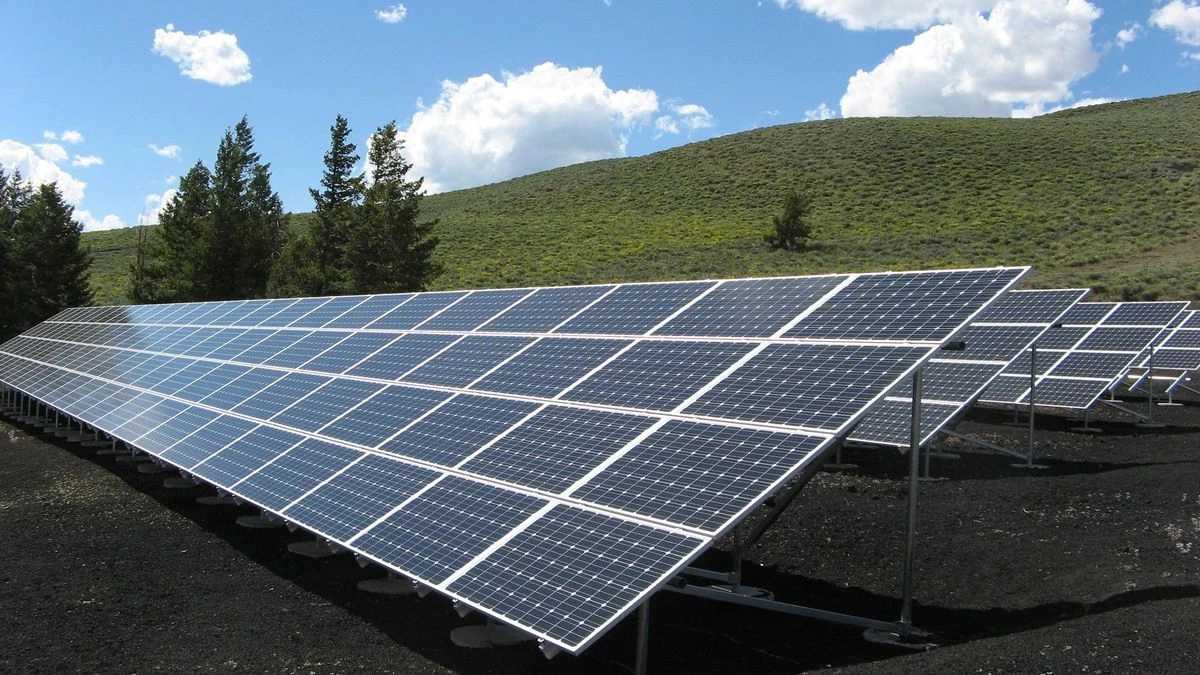
25-Year Outdoor ExposureUtility-scale solar farms cannot afford bolt replacement campaigns. Hot-dip galvanizing and stainless grades must deliver predictable field life in desert, coastal and high-humidity climates.
Ground-mount and rooftop racking systems require cost-effective fasteners that survive decades of UV, rain, dust and thermal expansion without maintenance.
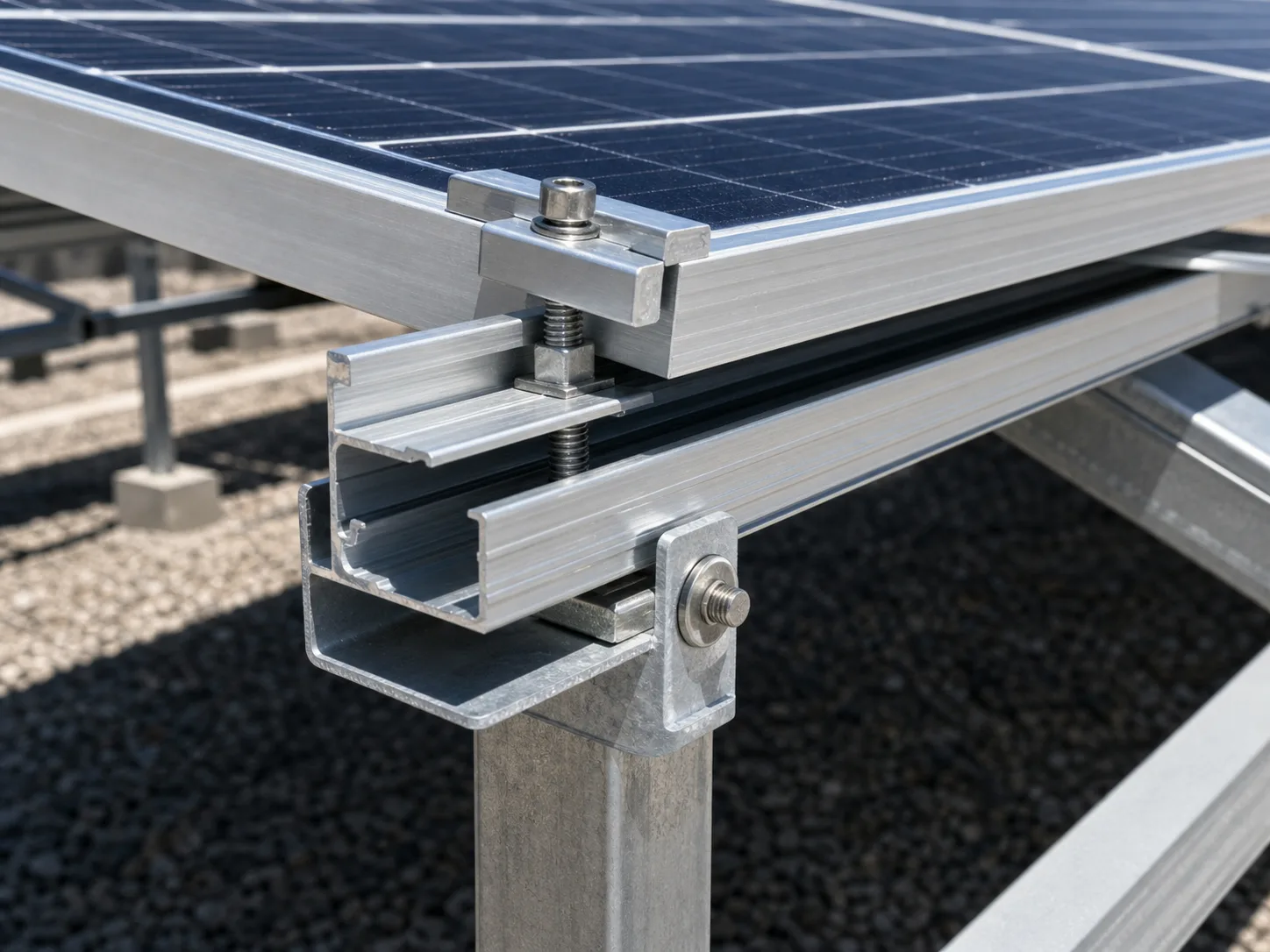
Technical Focus: 25-year corrosion life, compatibility with aluminum rails (galvanic control), and high-volume EPC supply consistency.
Fastening system logic
Solar PV mounting systems live outdoors under UV exposure, rain, dust, thermal cycling and contact between stainless hardware, aluminum rails, coated steel posts and grounding components.
Joint function: Clamp modules and rails quickly during EPC installation while maintaining corrosion resistance, grounding continuity, load distribution and serviceability over the project life.
Common field risk: The common mistake is reducing solar mounting to “stainless bolts.” The rail profile, clamp geometry, washer face, installation speed and galvanic compatibility decide whether the assembly survives field service.
Fastening Challenge We Overcome
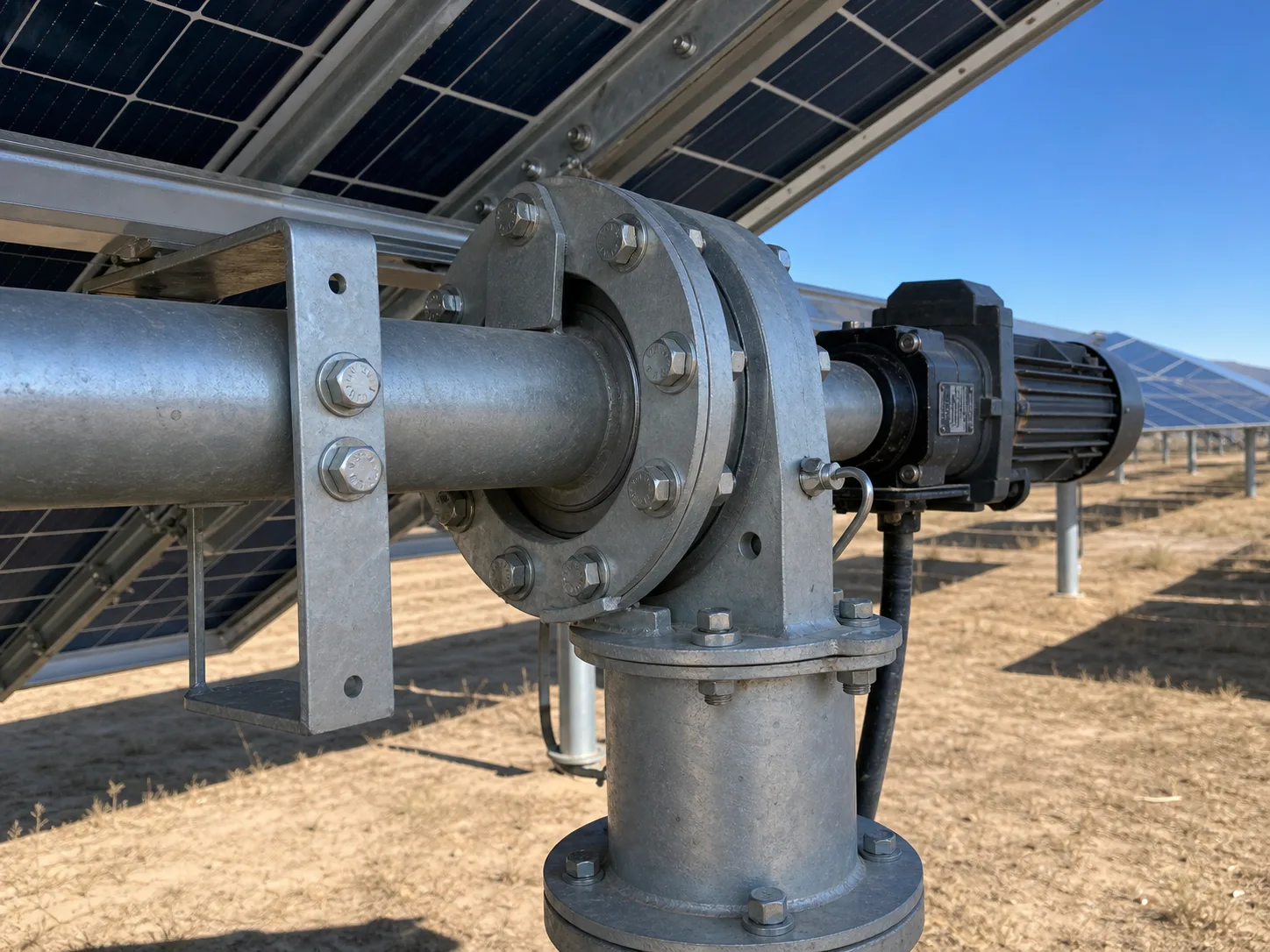
Daily Mechanical CyclingUnlike static mounts, tracker fasteners work every day. Loosening or wear at drive and hinge joints causes misalignment, reduced yield and increased motor load.
Single-axis and dual-axis trackers actuate daily — drive systems, torque tubes and slew bearings demand wear-resistant, anti-loosening fasteners in precision assemblies.
Technical Focus: Anti-loosening under 365+ cycles/year, wear resistance at pivot points, and dimensional consistency for automated assembly lines.
Fastening system logic
Solar trackers move daily and face wind events, vibration, actuator loads, torque tube rotation, dust, temperature swing and high-volume field assembly across long rows.
Joint function: Keep drive, hinge, torque tube, bearing and clamp assemblies aligned while resisting loosening, wear, coating damage and fatigue under repeated movement.
Common field risk: The common mistake is specifying tracker bolts like fixed-rack bolts. Daily actuation creates fatigue, wear and loosening risks that require a different fastening system.
Material and coating decision matrix
Wind tower, offshore foundation, solar rail and tracker joints may all use bolts, nuts and washers, but the correct system changes with preload requirement, corrosion exposure, galvanic pairing and maintenance access.
| Environment | Preferred Material | Surface Treatment | Typical Fasteners | Selection Logic |
|---|---|---|---|---|
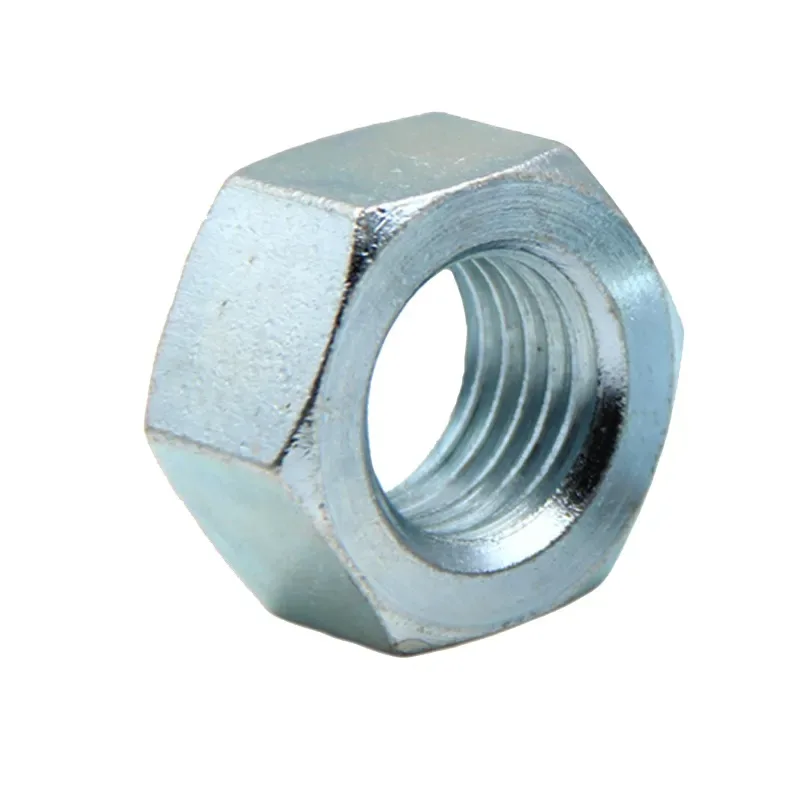
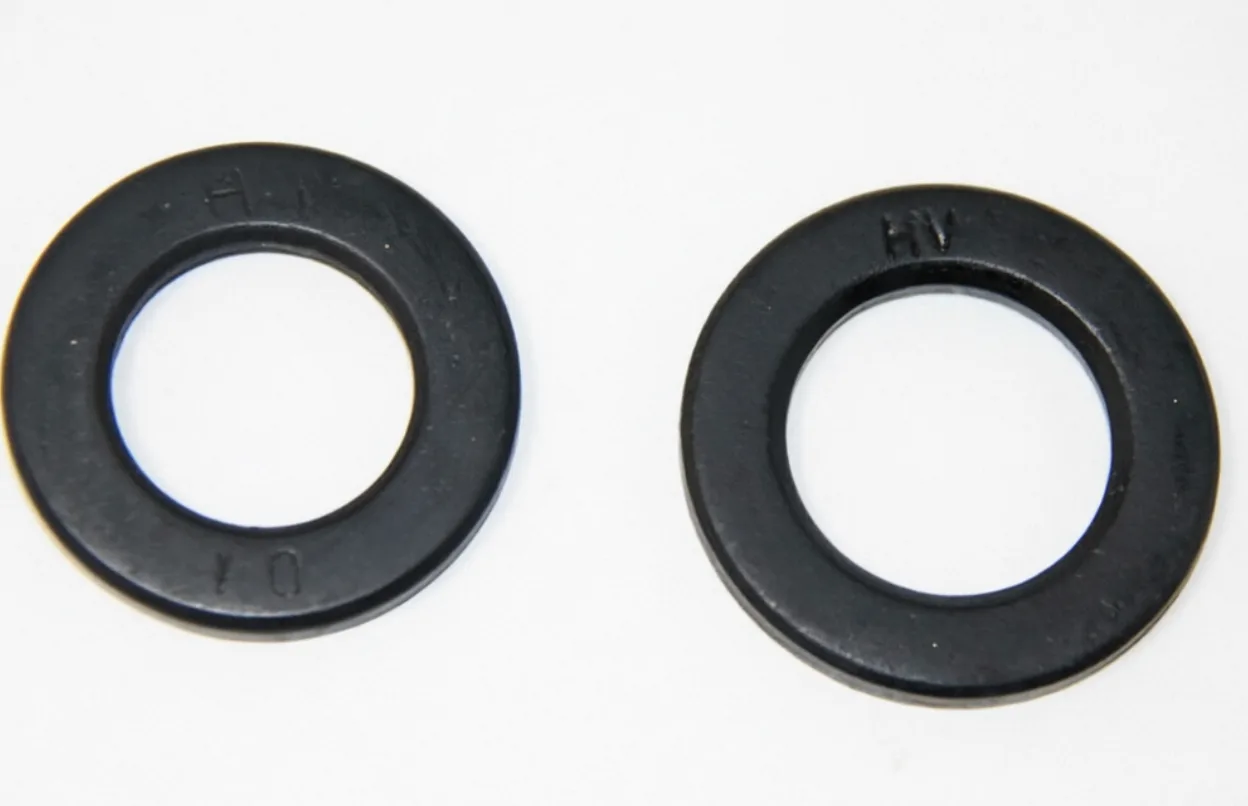
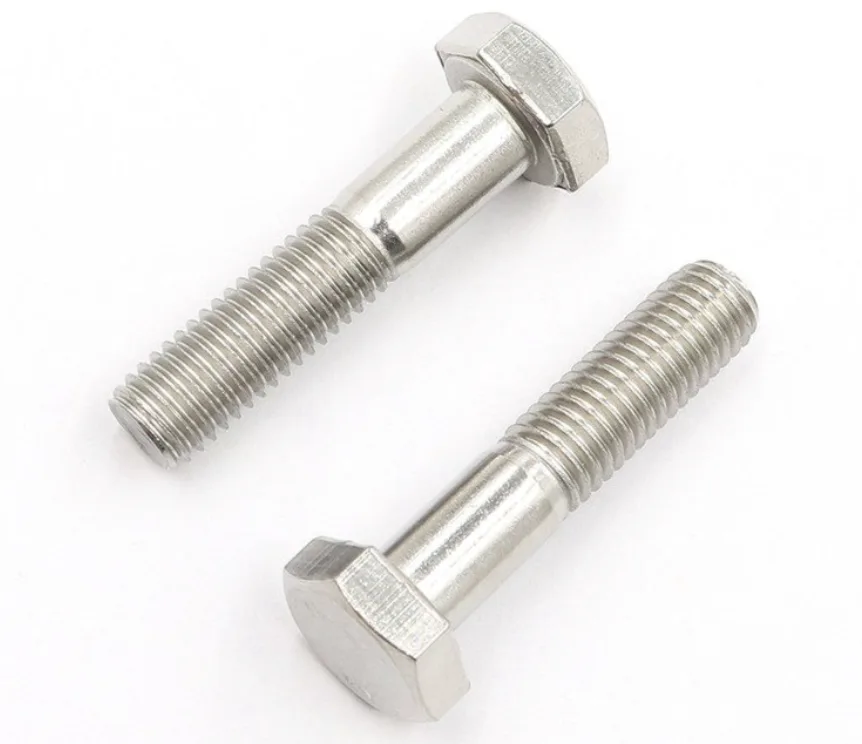
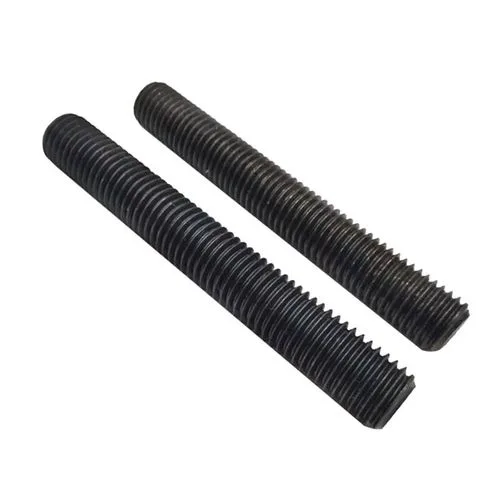
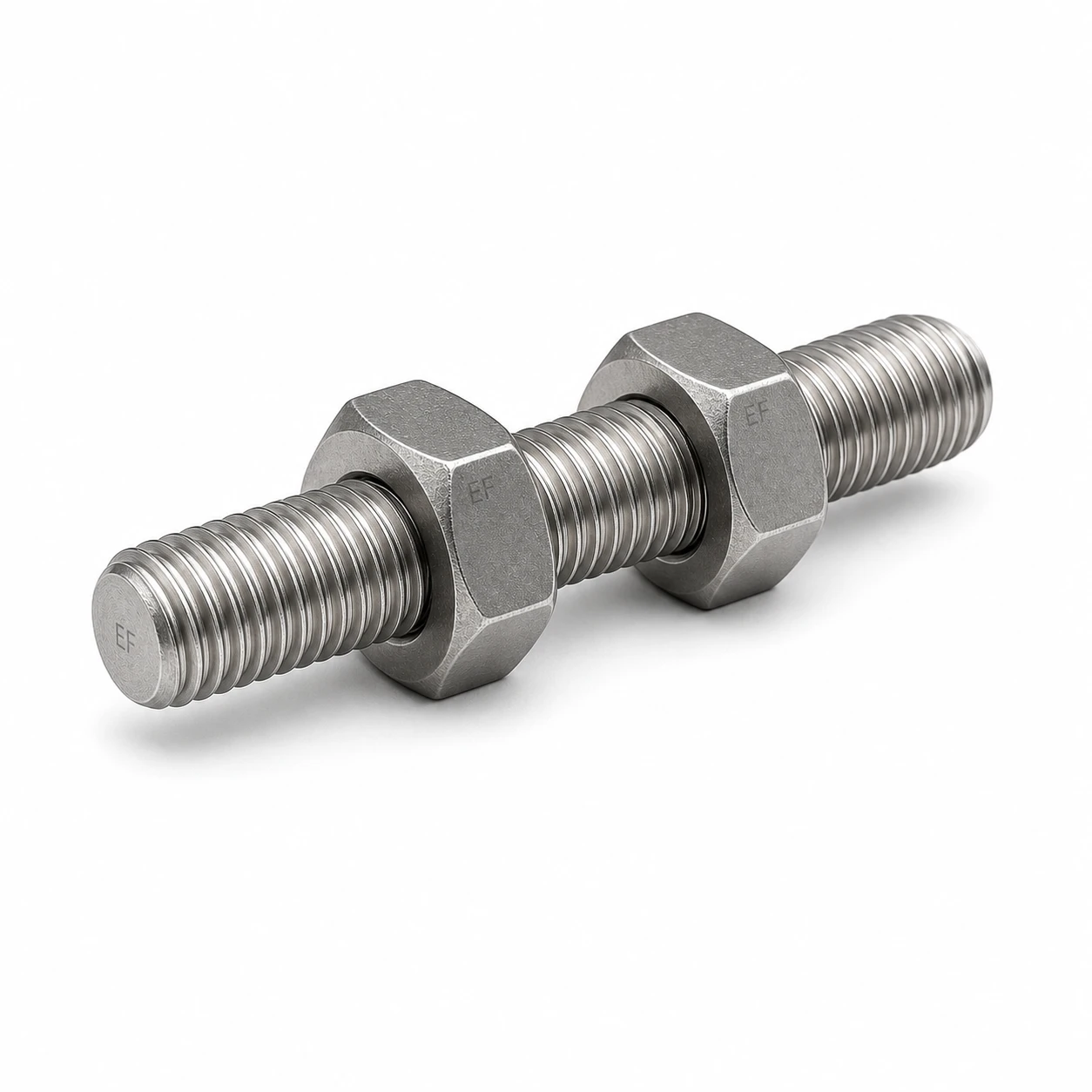
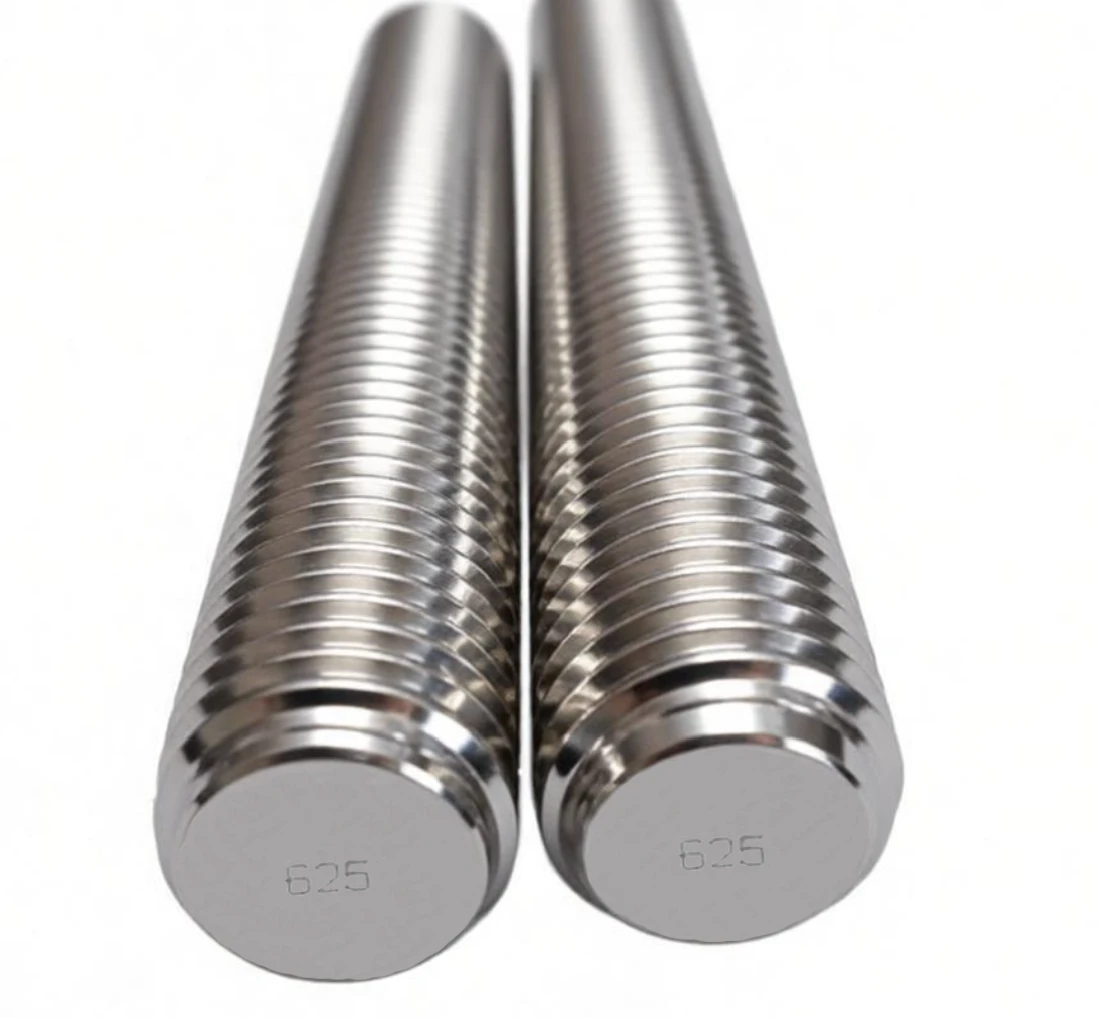
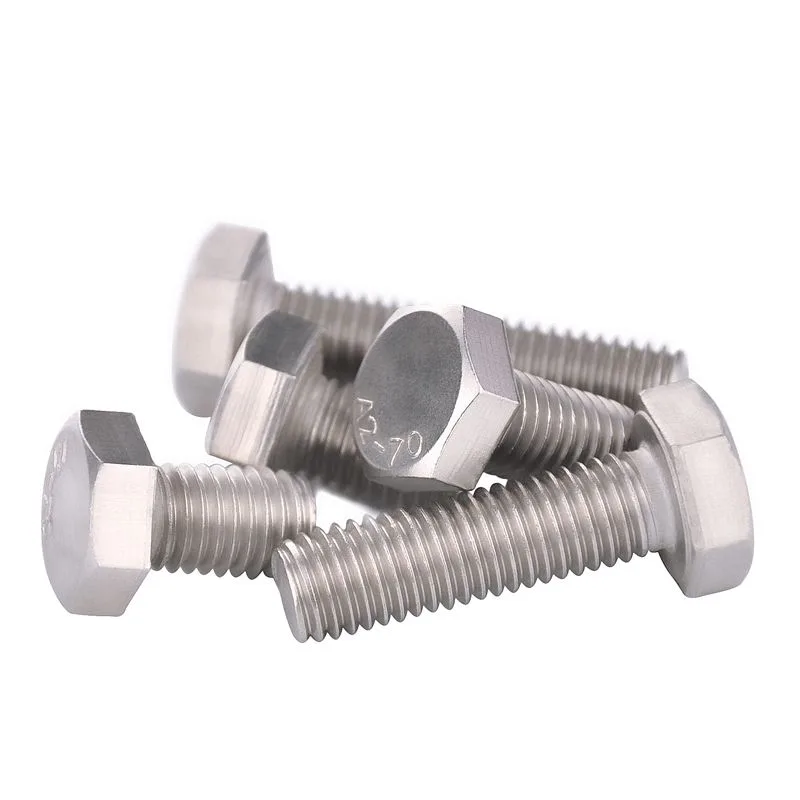
| Onshore wind tower flange and nacelle structures | 42CrMo / 35CrMo / SCM435 | HDG / Zinc Flake / Zinc Nickel | Fully Threaded Rods, Structural Hex Bolts, Heavy Hex Nuts, Structural Washers | Prioritize preload retention, fatigue resistance, coating friction and traceability. |
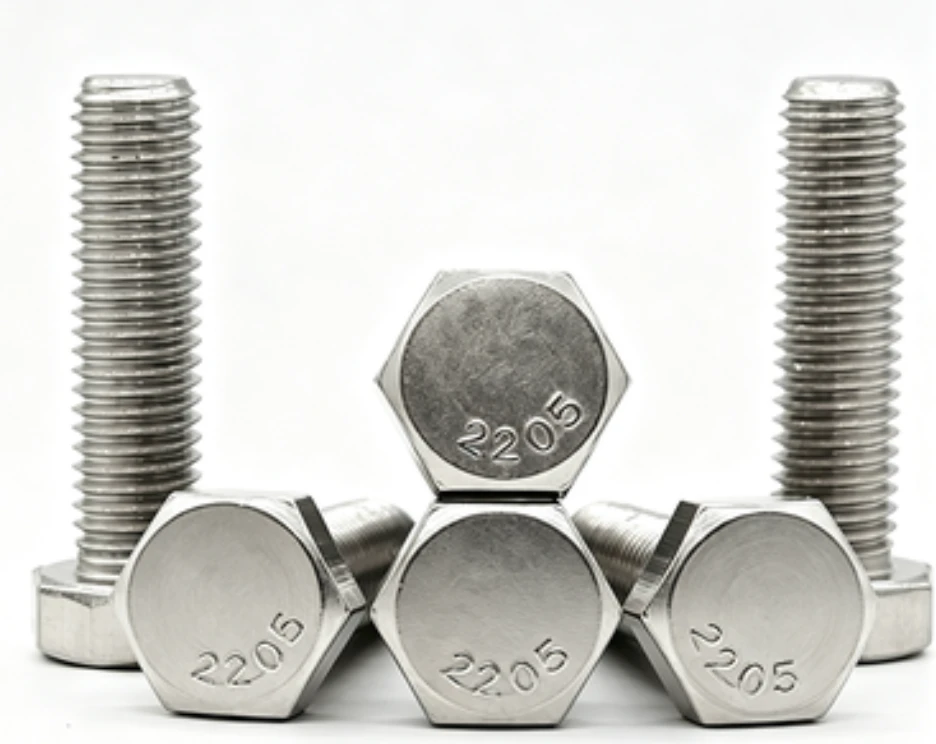
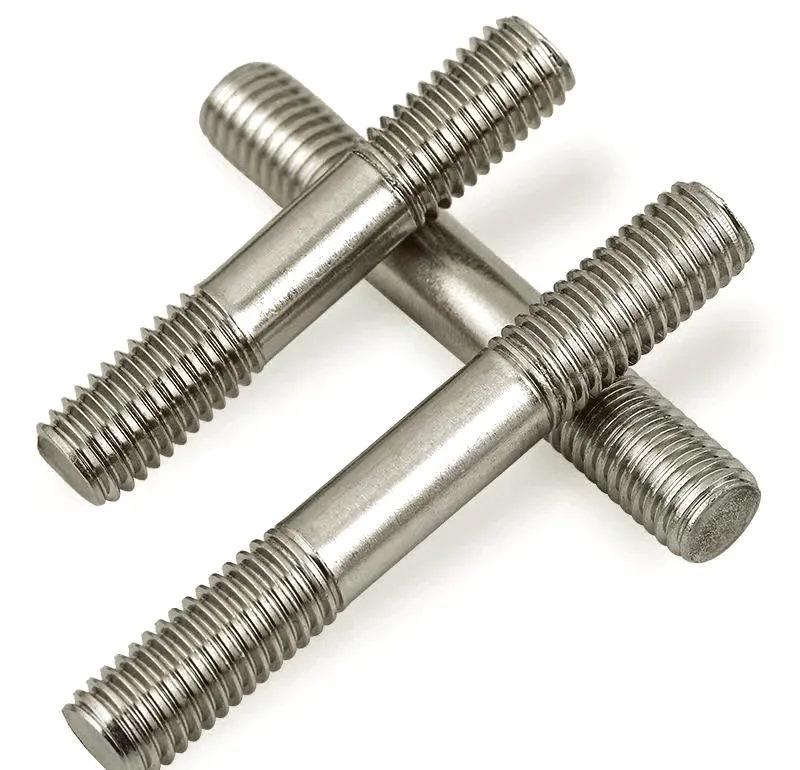
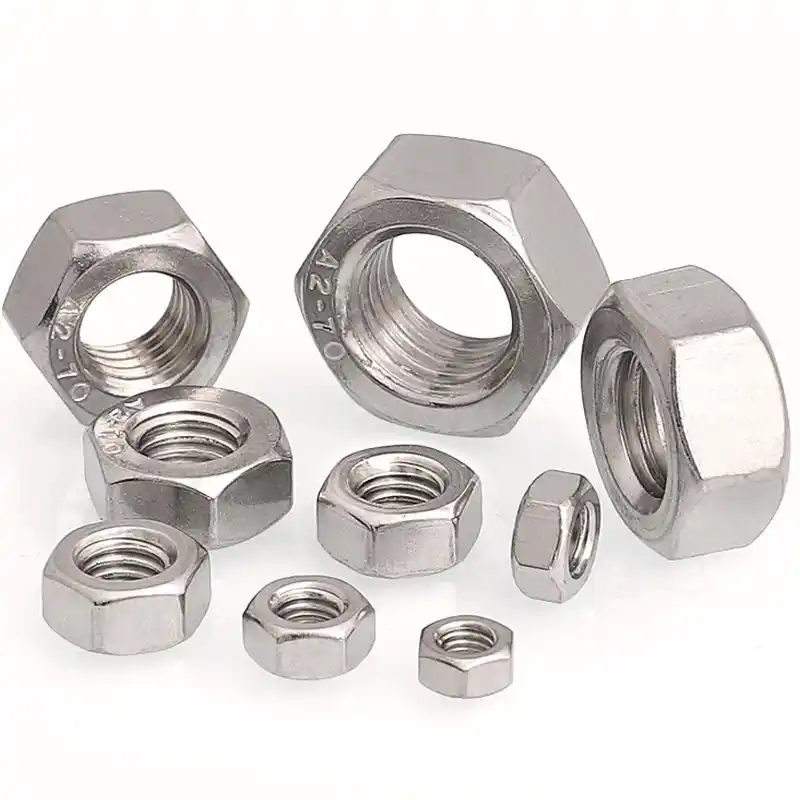
| Offshore splash-zone and transition piece joints | SS316 / Duplex 2205 / Super Duplex 2507 | Passivated / PTFE optional / project coating | Duplex Hex Bolts, A193 B8M Stud Bolts, Stainless Heavy Hex Nuts | Select by chloride exposure, crevice risk, galling control and maintenance access. |
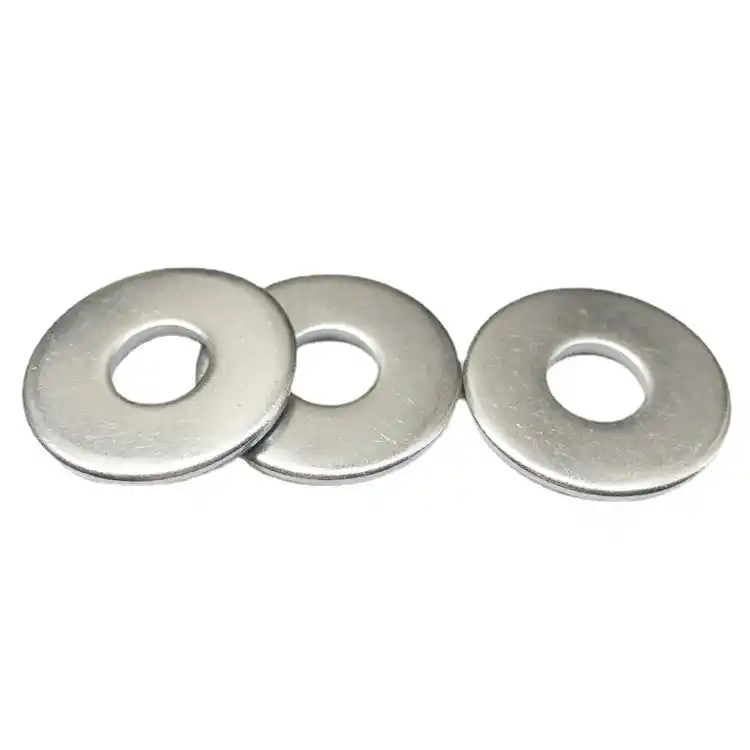
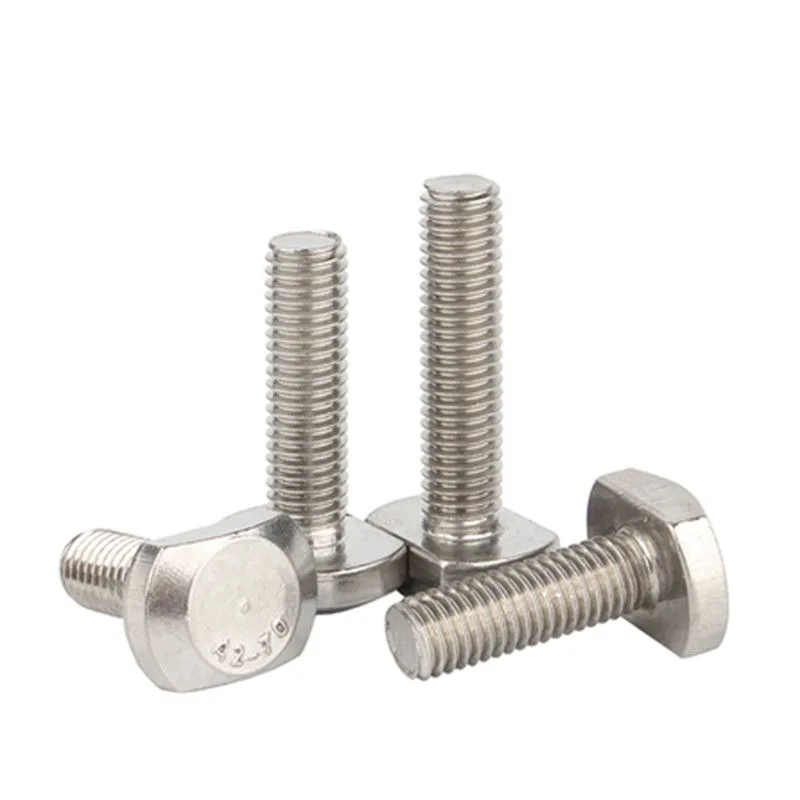
| Solar PV aluminum rail and module clamp assemblies | SS304 / SS316 / A2 / A4 | Passivated | Solar Rail T-Bolts, Solar Module Clamp Bolts, Stainless Nuts, Flat Washers | Prioritize rail fit, galvanic compatibility, anti-galling and high-volume installation consistency. |
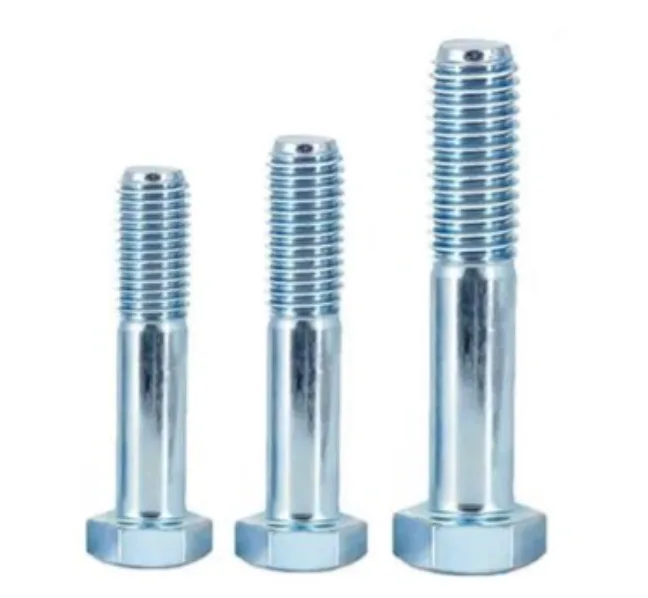
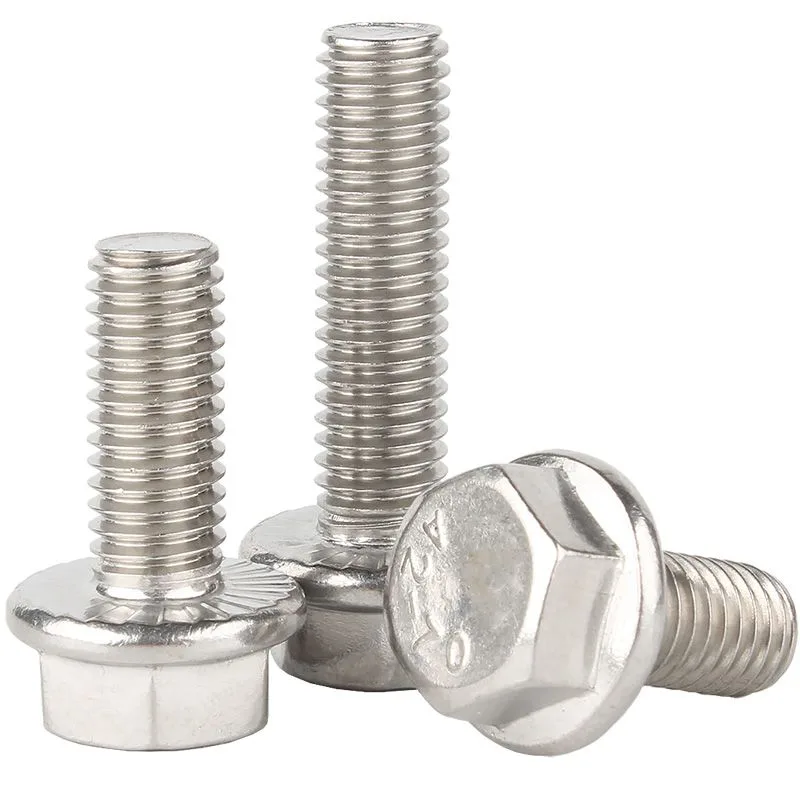
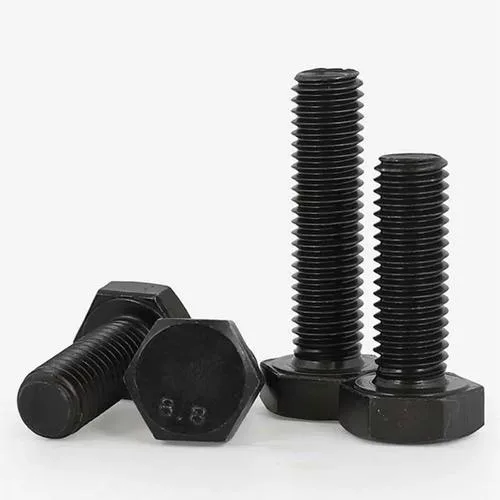
| Solar tracker drive, hinge and torque tube joints | SCM435 / 10B21 / 42CrMo | Zinc Flake / Zinc Nickel | Full Thread Hex Bolts, Hex Flange Bolts, Lock Nuts, Disc Spring Washers | Prioritize fatigue, anti-loosening, thread fit and torque repeatability under daily movement. |
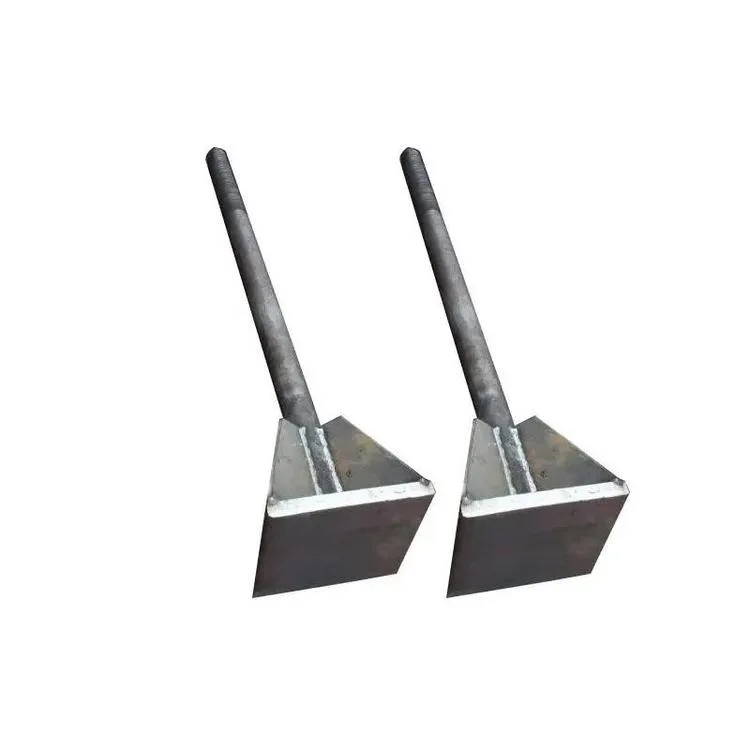
| Ground-mount foundations and outdoor support steel | Q355 / 42CrMo / project steel grade | HDG / project coating | Straight Anchor Bolts, Structural Bolts, Heavy Hex Nuts | Confirm embedment, soil or grout exposure, drainage and corrosion allowance. |
Renewable EPC and OEM projects should define documentation before production: material certificates, heat number traceability, coating records, friction data, inspection reports and project packing structure. Documentation is part of the fastening system because it protects installation quality, warranty review and future maintenance.
For tower and tracker joints, torque-tension records and coating friction data are especially important. For offshore and solar aluminum rail systems, material compatibility, corrosion records and batch traceability usually matter more than a generic catalog description.
Engineering FAQ
Wind tower flange assemblies commonly use large-diameter fully threaded rods or structural hex bolts with heavy hex nuts and structural washers. The key is not only grade, but preload method, coating friction, nut-washer compatibility and traceability.
Not always. Stainless steel is common around aluminum rails and exposed clamp hardware, but HDG or coated carbon steel may be suitable for foundations and support steel. The decision depends on environment, galvanic pairing, required strength and project cost target.
Duplex 2205 or super duplex 2507 should be considered where chloride exposure, splash-zone cycling, crevice geometry and maintenance access make ordinary stainless or coated carbon steel risky.
Zinc flake and zinc nickel are often used where tracker bolts need corrosion resistance, controlled friction and lower hydrogen embrittlement risk. The final choice should match the tightening method and project corrosion requirement.
A practical document package includes material certificates, heat number traceability, dimensional reports, coating thickness records, salt spray or corrosion data, torque-tension or friction coefficient records, and project-specific packing lists.
High-fatigue tower flange and yaw bearing bolting, nacelle structural assemblies, and marine-grade corrosion protection for coastal and offshore environments (C5-M / CX).
Durable mounting hardware for fixed-tilt and single-axis trackers, UV-stable materials, and precision components for daily tracking actuation.
Galvanic-compatible material strategies, advanced coatings (HDG, Geomet, Zn-Al, PTFE), and high-strength fatigue-resistant fasteners for cyclic loading.
Supplied Super Duplex 2507 stud assemblies for transition piece flange connections — meeting DNV documentation and 25-year corrosion design requirements in C5-M environment.
Delivered coated 10.9 tracker drive and hinge fasteners for 200MW+ installation — anti-loosening design validated for 365 cycles/year in high-temperature desert conditions.
Integrated supply of tower flange bolts, HDG ground-mount assemblies and stainless tracker hardware — single-source traceability for EPC quality audit.
We support developers, EPC contractors and OEM manufacturers from specification through field deployment:
Share your application environment, project scale and specification requirements. Our engineering team responds with a technical assessment within 24 hours.