Fastening Challenge We Overcome
Heat resistanceEngine components operate under extreme temperatures, pressure and vibration conditions.
High-temperature alloy fastening Creep-resistant bolts All-metal lock nuts
Technical Focus: Heat resistance · High temperature strength · Material stability
Fastening system logic
High-temperature bolting for engine-adjacent nacelle, exhaust and accessory zones
Engine-adjacent fastening covers nacelles, exhaust areas, accessory brackets, shields and inspection hardware where heat, vibration, oxidation and service removal are concentrated.
Joint function: Room-temperature strength is not the decision point. The joint has to keep clamp through thermal expansion, vibration and repeated maintenance without damaging threads or losing locking behavior.
Recommended assembly
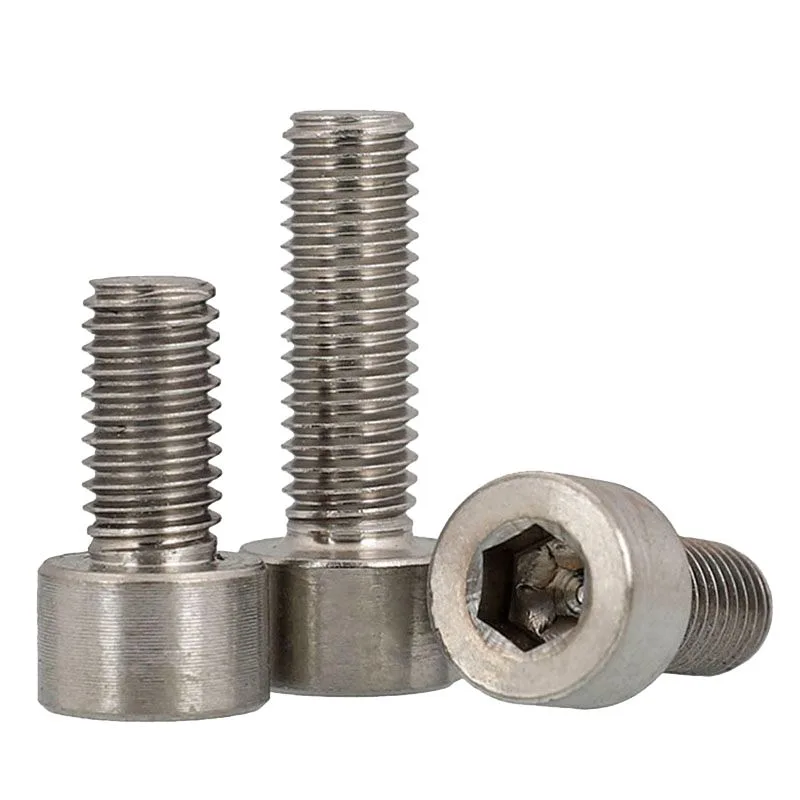
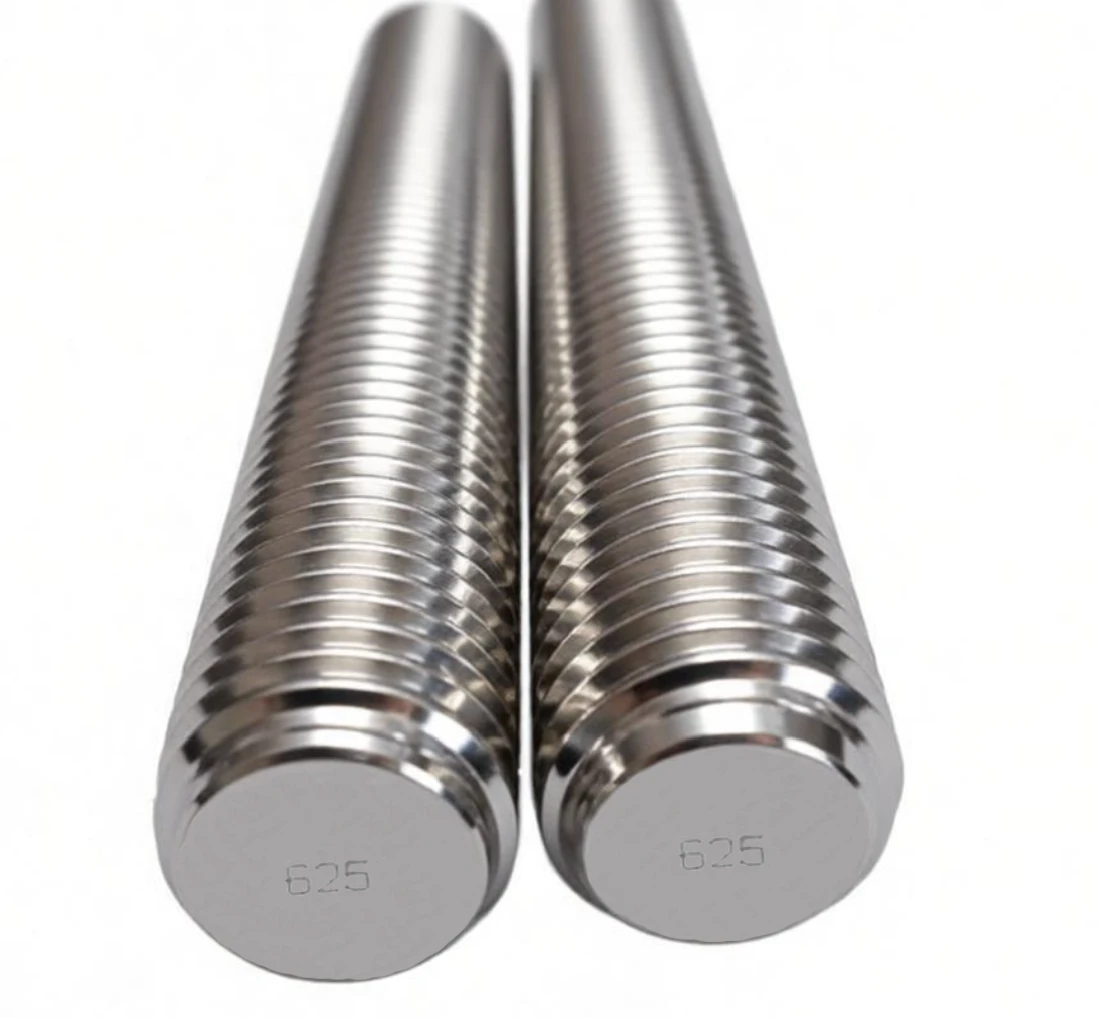
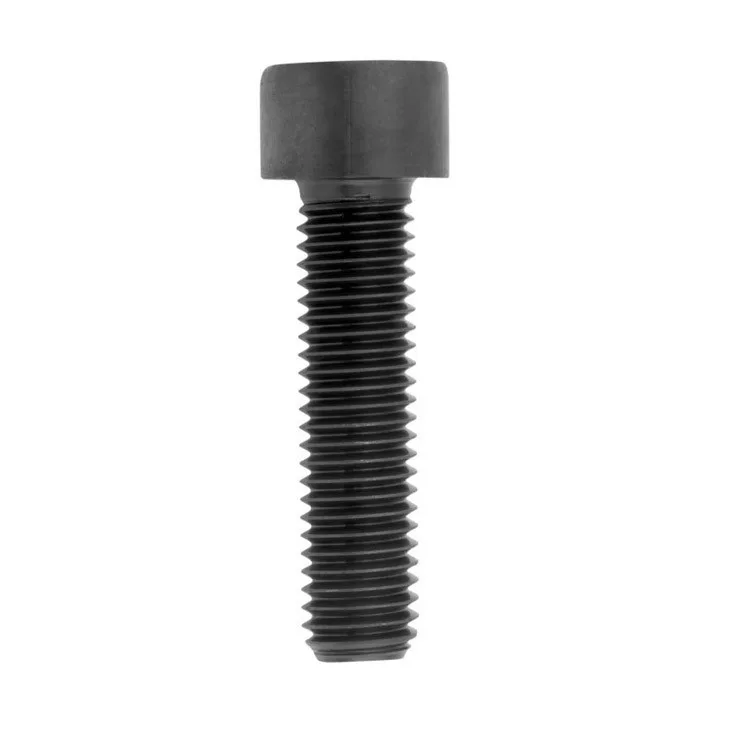
- Inconel 718 / 625 bolts, studs and socket screws for sustained hot-zone strength.
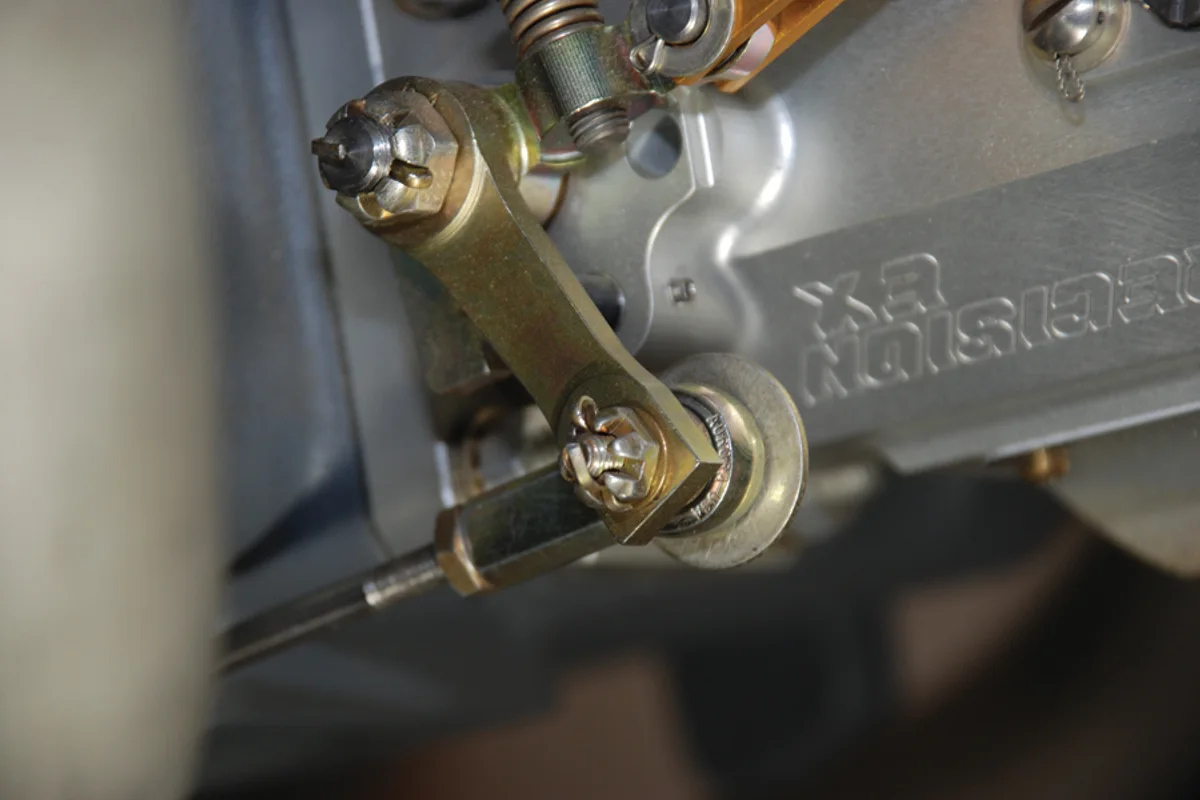
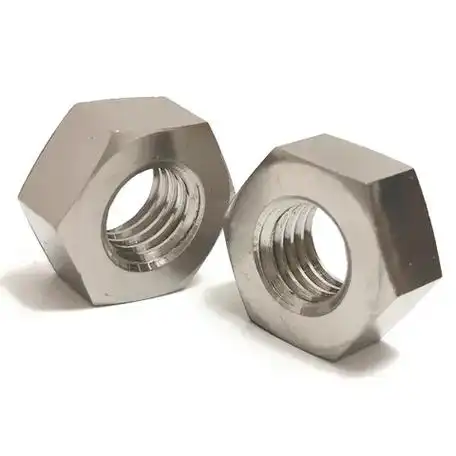
- A286 or nickel-alloy all-metal lock nuts where polymer locking inserts are not suitable.
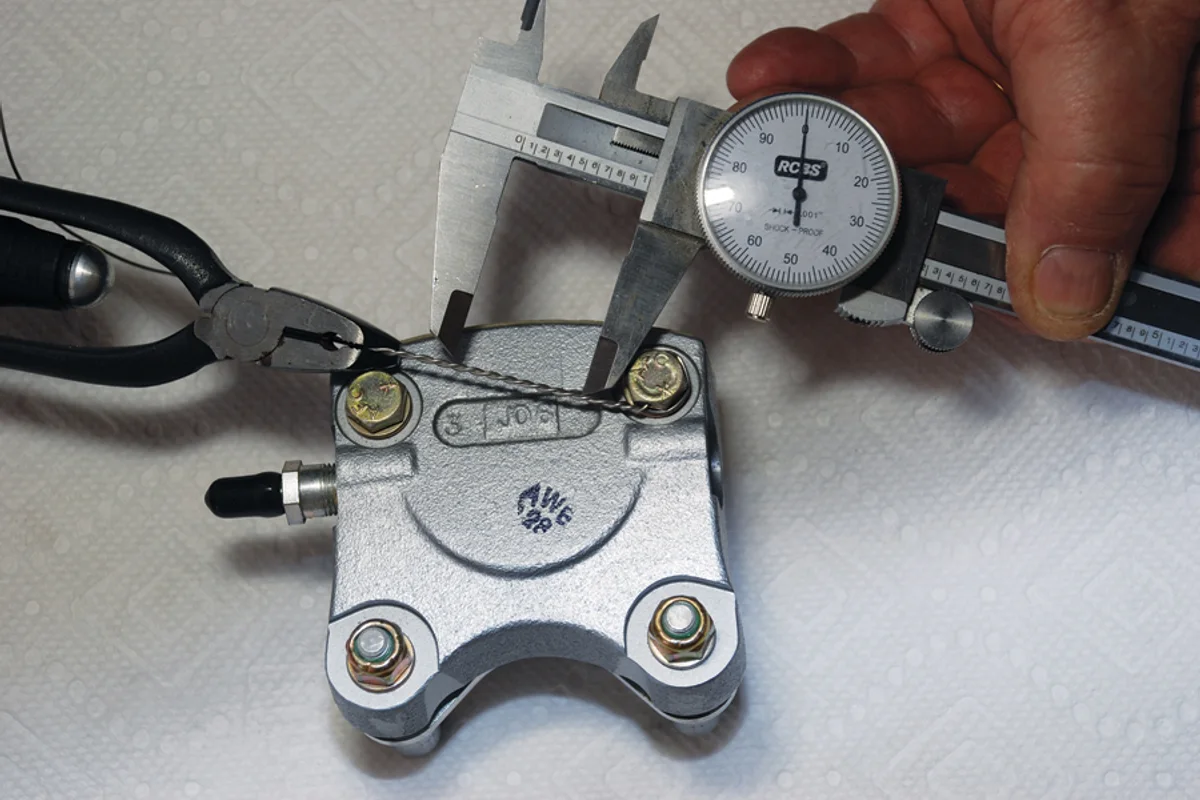
- Drilled-head bolts or safety-wire compatible hardware for inspection-critical assemblies.
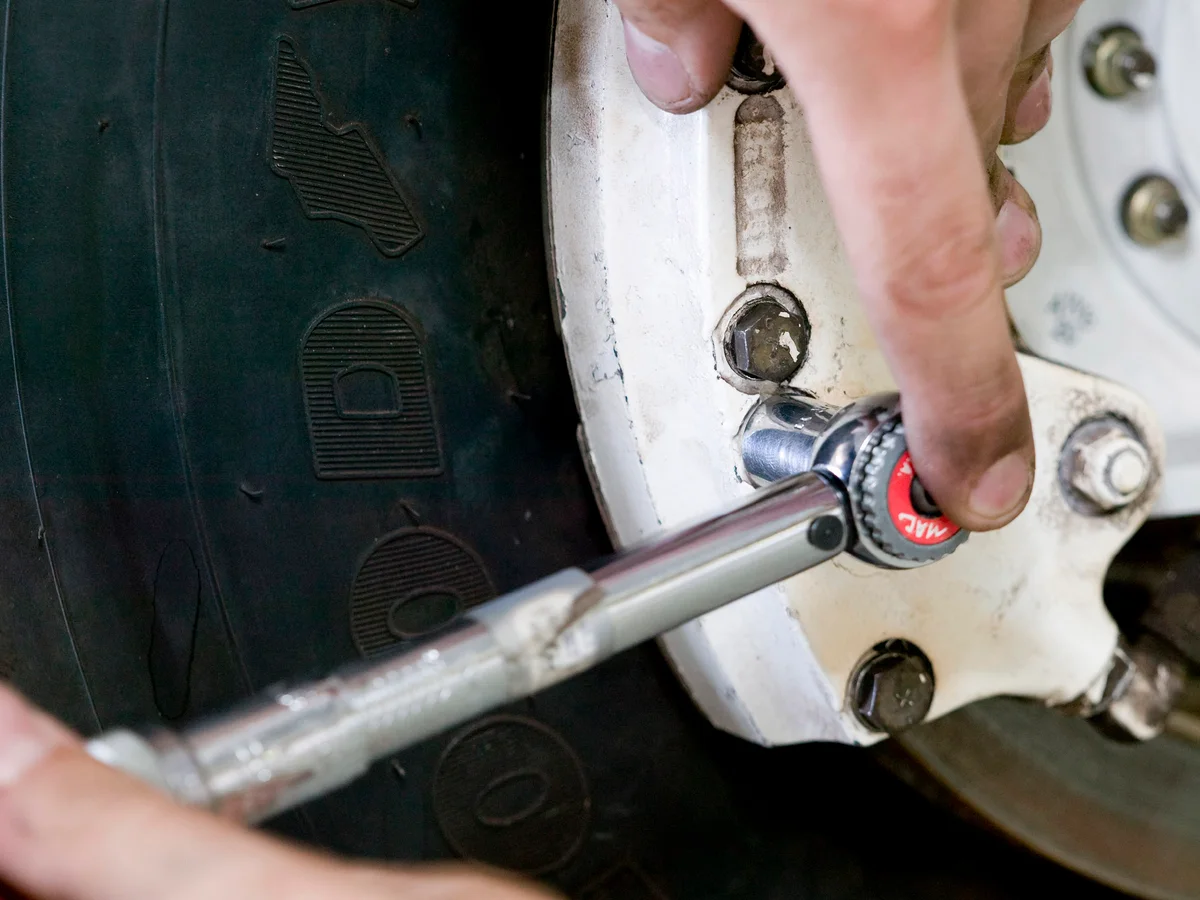
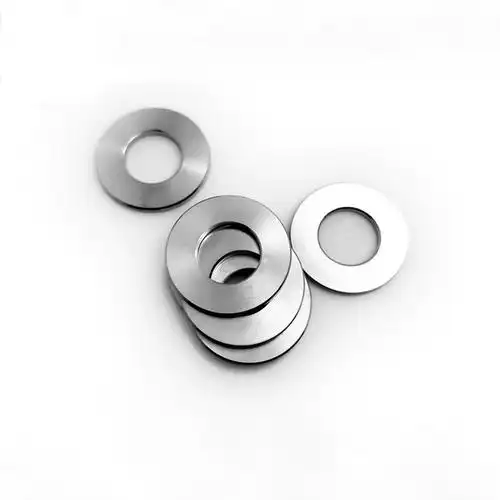
- High-temperature washers and controlled thread lubrication to reduce galling during service.
Material and coating logic
- Inconel 718 is used for high-temperature strength retention; Inconel 625 or A286 may be selected for corrosion, oxidation or intermediate-temperature service by drawing and duty.
- Work from sustained temperature and removal cycle, then choose alloy, locking method, anti-galling practice and finish together.
- Polymer locking features are normally avoided in high-temperature zones; all-metal locking and anti-galling control are required.
Validation evidence
PMI or alloy verification when requiredHigh-temperature mechanical recordOEM drawing and process compliance package
Common field risk: Using a high-strength alloy without correct locking and anti-galling practice can create installation damage before the aircraft ever operates.