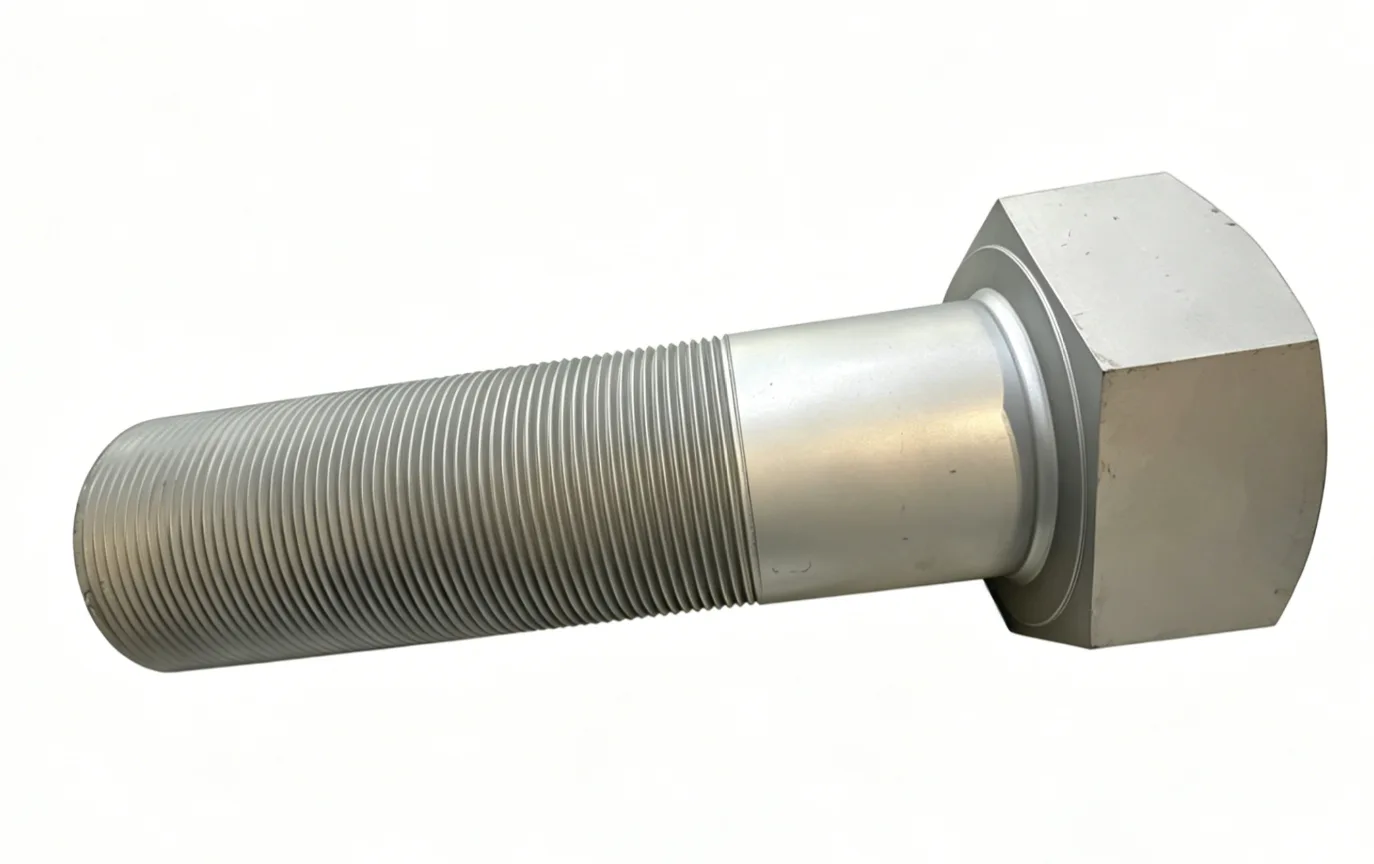
Hot forging forms a heated steel blank under compressive force so material flows into a die and creates a bolt head or another required preform. It is especially useful for larger sections, demanding head geometry, alloy-steel parts and quantities that do not suit a conventional cold-heading route.
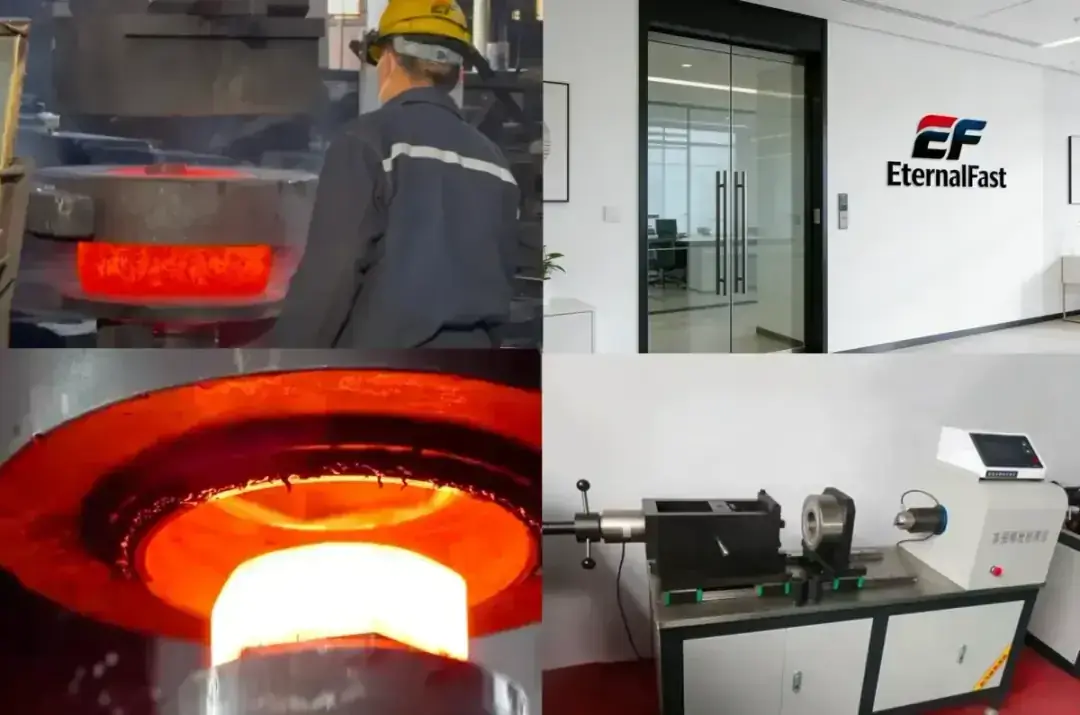
The video above shows the forging operation itself. A finished high-strength bolt still depends on the specified material, qualified heating and forging practice, heat treatment, thread production, coating, dimensional control and mechanical testing. Hot forging is one manufacturing stage—not a strength grade or a complete product specification.
When is hot forging selected for bolts?
| Selection factor | Hot forging is often considered when | Another route may be preferred when |
|---|---|---|
| Section and forming load | The blank or head requires high forming force or local material flow | The part fits stable high-volume cold-forming equipment |
| Head geometry | Large, heavy or drawing-specific heads need a forged preform | Standard smaller geometry can be cold headed efficiently |
| Material | The selected alloy benefits from forming at elevated temperature | The wire grade and reduction ratio are qualified for cold forming |
| Quantity and tooling | Project quantities justify dedicated forging tools | High repeat volume supports multi-station tooling |
| Downstream machining | Forging reduces later material removal | Machining from bar is more practical for a low-volume detailed part |
Diameter alone does not decide the process. Equipment capacity, material forgeability, head-to-shank volume, tolerance, tooling cost, batch size and the governing product standard all matter. Confirm the route against the actual drawing instead of applying a generic size cutoff.
Typical hot-forged bolt sequence
- Material traceability: verify grade, heat number, bar condition and certificate.
- Blank preparation: cut a controlled billet length and volume.
- Controlled heating: use a qualified temperature window while controlling time, scale and decarburization.
- Die forging: form the blank with aligned tooling and sufficient die fill.
- Trimming and cleaning: remove flash where applicable, cool and remove scale by the approved route.
- Heat treatment: quench and temper, normalize or apply the grade-specific cycle.
- Threading and finishing: roll or cut the thread, then apply the specified surface system.
- Inspection and release: verify dimensions, thread gauges, surface condition, hardness and required mechanical properties with lot traceability.
Hot forging does not determine the final strength class
The same general forging method can be used with different carbon or alloy steels. Final performance comes from chemistry, section size, heat-treatment cycle, testing and the applicable standard. A visually similar forged bolt cannot be called 10.9, ASTM A490 or EN 14399 solely because it was hot forged.
| Production stage | Main controls | Typical evidence |
|---|---|---|
| Incoming material | Grade, heat number, condition and dimensions | Mill certificate and receiving record |
| Heating and forging | Temperature window, billet volume, die alignment and fill | Process instructions and production record |
| Heat treatment | Furnace cycle, quench, temper and batch identity | Heat-treatment chart or batch record |
| Thread production | Diameter, pitch, profile and tolerance | Go/no-go gauges and dimensional report |
| Mechanical verification | Hardness, tensile or proof load and specified tests | Test report linked to the lot |
| Surface system | Cleaning, thickness, friction and fit where specified | Coating report and assembly inspection |
Common forging defects and inspection focus
| Condition | Why it matters | Inspection focus |
|---|---|---|
| Underfill | Incomplete die fill leaves missing geometry | Head dimensions, corners and bearing face |
| Lap or fold | Material folds instead of flowing continuously | Surface inspection and required NDT |
| Crack | Thermal, material or tooling conditions create a discontinuity | Visual or magnetic-particle inspection under the plan |
| Die mismatch | The head becomes eccentric to the shank | Head-to-shank concentricity |
| Scale or decarburization | Surface condition can affect size, hardness and fatigue | Surface preparation and metallurgical checks when required |
Not every dark mark is a crack, and visual inspection alone may be insufficient for critical service. The product standard, drawing and inspection plan must define the method and acceptance limits.
Thread rolling, cutting and process sequence
Forging creates the head or preform; it does not automatically create the finished thread. Threads are rolled or cut through an approved sequence. There is no universal rule that every thread must be produced strictly before or after heat treatment: grade, hardness, size, tolerance, decarburization control and the governing specification decide the route.
Which products does this process support?
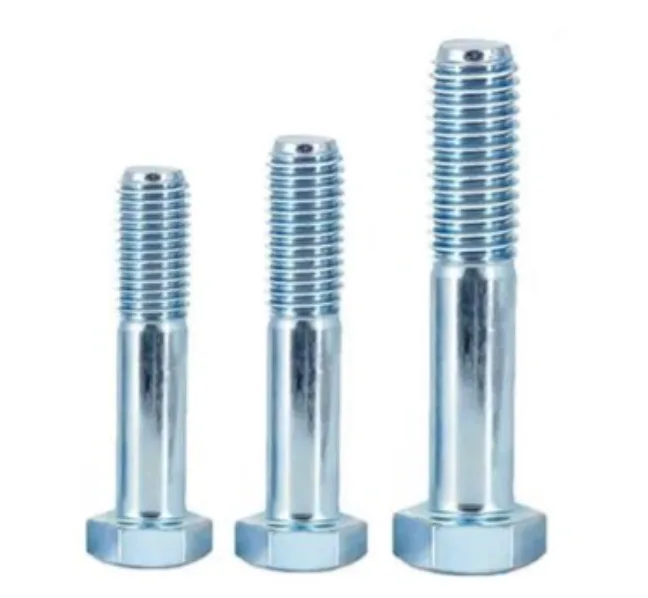
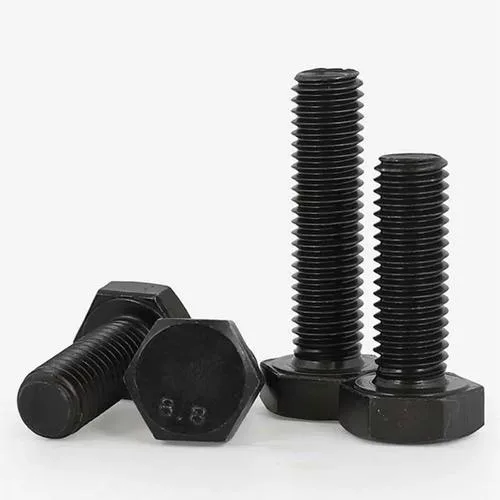
This video is most relevant to heavy structural hex head bolts and selected alloy-steel partial-thread hex bolts and full-thread hex bolts when their approved manufacturing plan uses a hot-forged head.
It should not be treated as the normal manufacturing video for ASTM A193 B7 stud bolts. Stud bolts have no forged head and are normally produced from qualified bar with heat treatment and rolled or cut threads.
For material and property-class selection, also use the fastener material selection guide and 8.8 vs 10.9 vs 12.9 guide.
Hot-forged bolt RFQ checklist
Provide the product standard or controlled drawing; diameter, length, thread and tolerance; head geometry; material and mechanical class; heat treatment; coating; inspection and NDT; certificate and heat traceability; marking; quantity and packaging.
The words hot forged do not replace a complete specification. Buyers should evaluate the entire route—from material certificate and process controls to final testing and lot release.