Why Source Fasteners from China?
China has emerged as the world's largest fastener manufacturer, producing approximately 45% of the global supply. For international buyers—whether you're an equipment OEM in the United States, a contractor in the UAE, or a distributor in Europe—sourcing from China offers compelling advantages beyond just cost savings.
Cost Savings Without Compromising Quality
The price difference is substantial, but it's not just about cheap labor anymore. Chinese manufacturers have invested heavily in automation, quality systems, and material sourcing infrastructure that enables them to offer competitive pricing while maintaining international quality standards.
Real-world pricing comparison (2026):
| Product | China Price | USA/EU Price | Savings |
|---|---|---|---|
| M20 x 200mm ASTM A193 B7 stud bolt | $6.50-8.00 | $15-22 | 55-65% |
| 1" x 8" ASTM A193 B7 stud bolt | $8.50-11.00 | $18-28 | 50-60% |
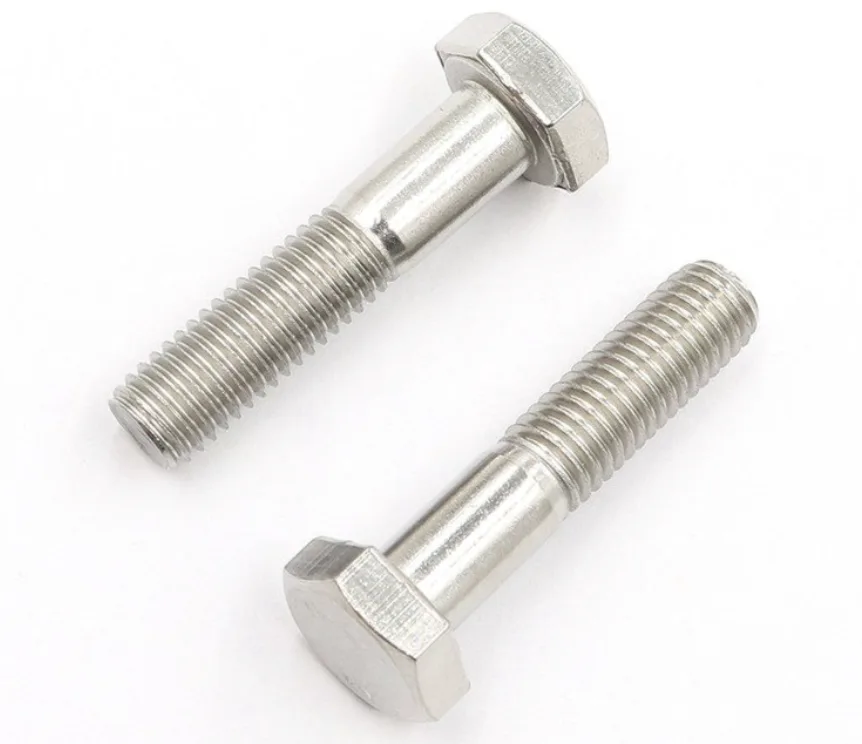
| M16 DIN 933 Grade 8.8 hex bolt | $0.85-1.20 | $2.50-4.00 | 60-70% |
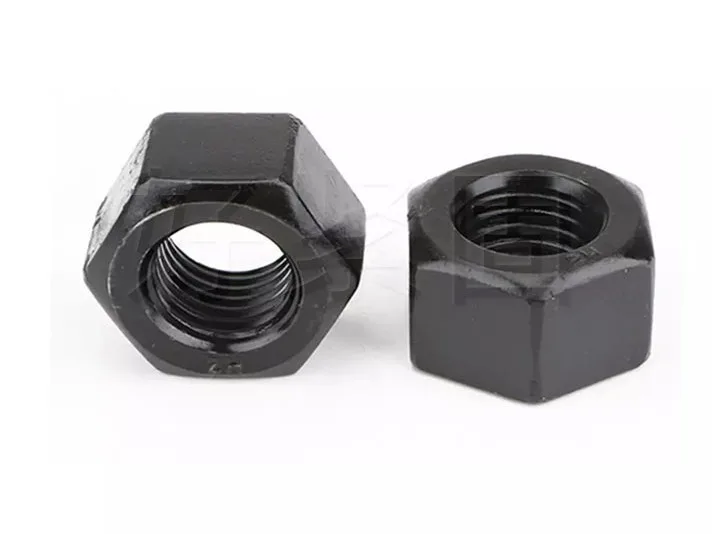
| 3/4" ASTM A194 2H heavy hex nut | $1.50-2.20 | $4.50-7.00 | 65-70% |
Prices based on orders of 1,000+ pieces. Smaller quantities may have higher unit costs.
However, it's crucial to understand that the cheapest supplier is rarely the best choice. The true value comes from finding manufacturers who can deliver consistent quality, reliable communication, and complete documentation—all while maintaining competitive pricing.
Production Capacity and Flexibility
Chinese fastener manufacturers have significant production capacity advantages:
- Scale: Leading manufacturers can produce 10,000-50,000 pieces per month of standard items
- Customization: Most factories offer custom sizes and specifications with reasonable MOQs (Minimum Order Quantities)
- Quick turnaround: Custom fasteners can often be produced in 15-25 days, compared to 6-12 weeks in Western markets
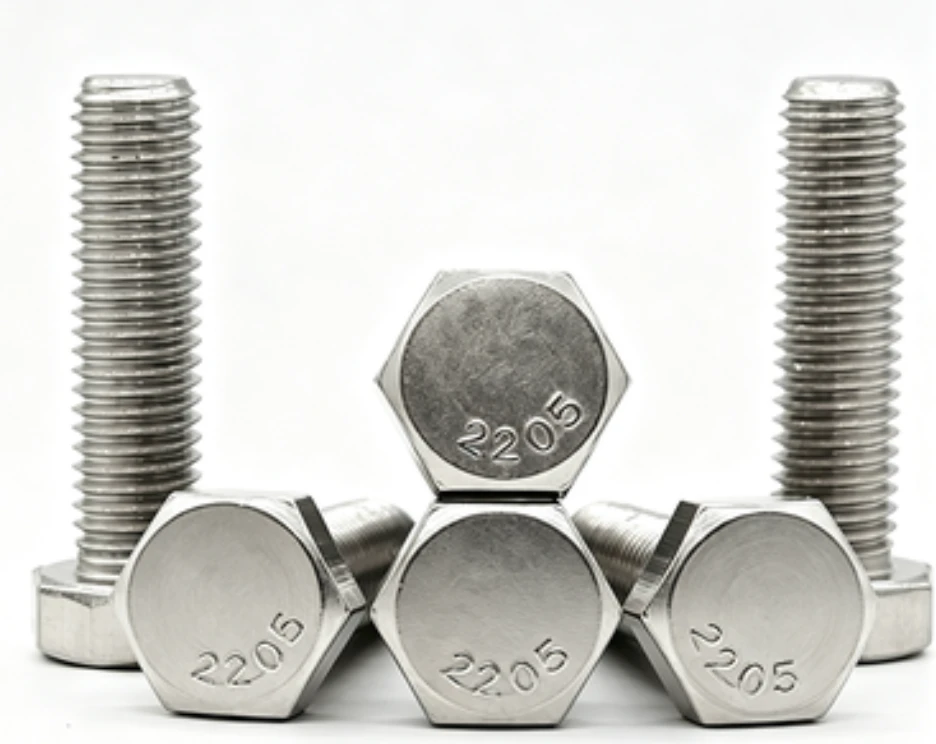
- Material variety: Access to a wide range of materials including stainless steel (304, 316, 2205, 2507), high-strength alloy steel (B7, B16, B8M), and exotic alloys (titanium, Inconel, Monel)
Material Availability and Certification
China's integrated supply chain means manufacturers have direct access to certified raw materials from major mills. Reputable suppliers work with:
- Baosteel (China's largest steel producer)
- Tsingshan Holding Group (world's largest stainless steel producer)
- International suppliers for specialty alloys
All materials should come with proper certifications (Material Test Certificates, Chemical Composition Analysis, Mechanical Properties Reports). If a supplier cannot provide these, move on.
The Quality Reality
Here's what many buyers don't realize: Chinese fastener quality exists on a spectrum. At the top tier, manufacturers supply Fortune 500 companies, aerospace contractors, and major oil & gas projects. At the bottom, low-cost producers make fasteners that barely meet minimum specifications.
Your job is to identify and work with the top tier. The rest of this guide will show you how.
Understanding Chinese Fastener Standards
One of the most common sources of confusion—and potential quality problems—is the difference between Chinese national standards (GB) and international standards (ASTM, DIN, ISO).
GB vs ASTM vs DIN: What You Need to Know
Common misconception: "GB standards mean lower quality"
Reality: GB standards are often equivalent or very similar to international standards, but they are NOT always identical
Let's break down the most common standards you'll encounter:
Mechanical Fastener Standards
| Chinese Standard | International Equivalent | Notes |
|---|---|---|
| GB/T 5782 | DIN 933 / ISO 4017 | Hexagon head bolts - Full thread |
| GB/T 5783 | DIN 931 / ISO 4014 | Hexagon head bolts - Partial thread |
| GB/T 3098.1 | ISO 898-1 | Mechanical properties of bolts, screws and studs |
| GB/T 3098.2 | ISO 898-2 | Mechanical properties of nuts |
Material and Strength Grades
This is where things get tricky. GB strength grades are similar but not identical to ASTM specifications:
| Application | ASTM Standard | Approximate GB Equivalent | Important Note |
|---|---|---|---|
| High-strength studs for pressure vessels | ASTM A193 B7 | GB/T 3098.1 Grade 10.9 | Similar strength, different chemical composition requirements |
| Heavy hex nuts for high-temperature | ASTM A194 2H | GB/T 3098.2 Grade 10 | Similar mechanical properties |
| Stainless steel fasteners | ASTM A193 B8/B8M | GB/T 3098.6 A2-70/A4-70 | Material grades differ (304 vs 316) |
Critical point: If your project specifications call for ASTM standards, you MUST specify "ASTM A193 Grade B7 - USA standard" in your purchase order. Do not accept "GB equivalent" unless your engineering team has explicitly approved it. The chemical composition, heat treatment, and testing requirements can differ in ways that matter for critical applications.
Dimensional Standards
Even when strength grades are equivalent, dimensional standards can differ:
Thread pitch: Metric (GB/DIN/ISO) vs Unified (ANSI/ASTM)
- M20 bolt has 2.5mm thread pitch (coarse)
- 3/4" bolt has 10 threads per inch (UNC) or 16 TPI (UNF)
- These are NOT interchangeable
Head dimensions: GB and DIN hex head dimensions are very similar, but ASME B18.2.1 (USA) heavy hex bolts have larger heads and different tolerances.
Length measurements:
- DIN/ISO: Length includes the head for countersunk fasteners, excludes head for hex bolts
- ASME: Specific rules for different fastener types
- Always provide a technical drawing when ordering custom lengths
Material Certificates: What You Should Receive
Every shipment of industrial fasteners should include proper documentation. Here's what professional suppliers provide:
Material Test Certificate (MTC) / Certified Material Test Report (CMTR):
- Heat number / lot number for traceability
- Chemical composition (C, Mn, Si, S, P, Cr, Ni, Mo percentages)
- Mechanical properties:
- Tensile strength (minimum, actual)
- Yield strength (minimum, actual)
- Elongation percentage
- Reduction of area
- Hardness (Rockwell or Brinell)
- Heat treatment records (if applicable)
- Mill test reports from steel supplier
Dimensional Inspection Report:
- Sample inspection results (typically 5-10 pieces per lot)
- Thread gauge results (go/no-go)
- Head dimensions, length, thread length
- Surface finish inspection
Certificate of Conformance (CoC):
- Statement that products meet specified standard
- Reference to applicable ASTM/DIN/GB standards
- Authorized signature and company seal
Red flags:
- Supplier refuses to provide certificates
- Generic certificates without specific heat/lot numbers
- Certificates that don't match the order (different material grade, different heat number)
- Test results that are suspiciously identical across multiple orders (indicates fake certificates)
How to Specify Standards Correctly
When requesting a quote or placing an order, be explicit:
❌ Vague specification: "Need high-strength studs, M20 x 200mm, 1000 pieces"
✅ Clear specification: "ASTM A193 Grade B7 stud bolts (USA standard, NOT GB equivalent)
- Size: M20 x 200mm
- Thread: Full thread, metric coarse pitch (2.5mm)
- Material: Alloy steel per ASTM A193
- Heat treatment: Quenched and tempered
- Hardness: 23-32 HRC (per ASTM A193)
- Surface: Plain finish (black oxide or as-rolled)
- Quantity: 1,000 pieces
- Documentation required: Material Test Certificate (MTC) with heat number, dimensional inspection report, Certificate of Conformance
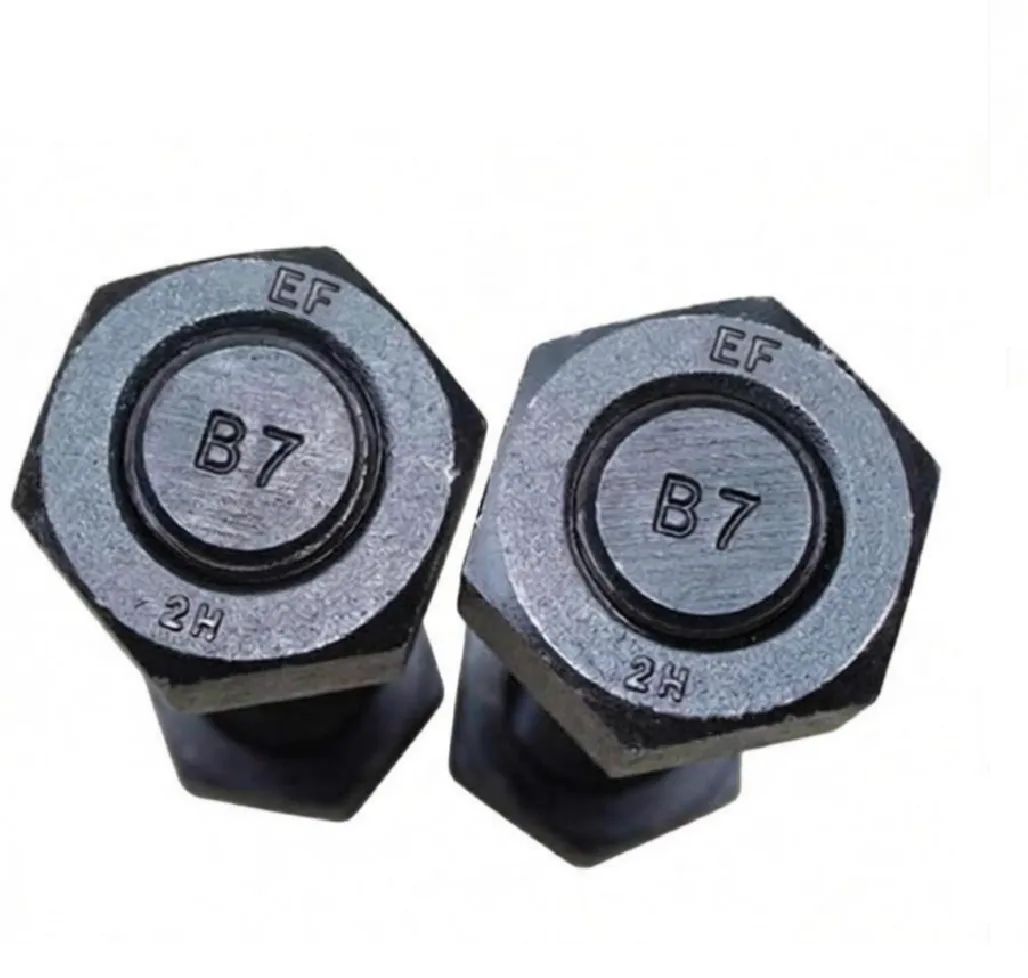
- Marking: Head marking "B7" per ASTM F1470"
This level of detail eliminates ambiguity and ensures you get exactly what you need.
Quality Assurance: What to Look For
Finding a reliable Chinese fastener supplier requires due diligence. Here's your comprehensive checklist for evaluating quality capabilities.
Factory Certifications (Minimum Requirements)
Essential certifications:
-
ISO 9001:2015 - Quality Management System
- Ensures documented quality procedures
- Regular internal and external audits
- Corrective action processes
- Verify certificate is current (not expired)
- Check certificate scope (should include "fastener manufacturing")
-
Production License (生产许可证)
- Required for Chinese manufacturers to produce and export fasteners
- Government-issued, regularly inspected
- Ask to see a copy
Industry-specific certifications (if applicable):
- API Q1 / API Spec Q1 - For oil & gas applications
- NACE MR0175 / ISO 15156 - For sour service environments
- PED (Pressure Equipment Directive) - For European pressure vessel applications
- ASME certification - For boiler and pressure vessel components
Nice to have:
- ISO 14001 (Environmental Management)
- ISO 45001 / OHSAS 18001 (Occupational Health & Safety)
- TS 16949 (Automotive quality, if applicable)
Red flag: A supplier claims to have certifications but won't provide copies, or provides copies that look suspiciously generic or altered.
In-House Testing Capabilities
Professional fastener manufacturers should have robust testing equipment. During a factory visit or video tour, look for:
Essential equipment:
-
Tensile Testing Machine
- Purpose: Verify tensile strength, yield strength, elongation
- What to look for: Calibrated equipment (ask to see calibration certificates)
- Capacity: Should match the fastener sizes they produce (typically 600 kN for studs up to M36)
-
Hardness Tester (Rockwell, Brinell, or Vickers)
- Purpose: Verify heat treatment effectiveness
- What to look for: Multiple testers (for different scales), regular calibration
- Red flag: Only one small portable tester for a large factory
-
Dimensional Inspection Equipment
- Calipers, micrometers, height gauges
- Thread gauges (go/no-go gauges for common sizes)
- Profile projector or CMM (Coordinate Measuring Machine) for precision work
-
Chemical Composition Analyzer (Spectrometer)
- Purpose: Verify material grade
- Type: Handheld XRF (basic) or optical emission spectrometer (better)
- This is CRITICAL for material verification
Advanced equipment (larger manufacturers):
- Impact testing machine (Charpy/Izod) - for low-temperature applications
- Salt spray chamber - for corrosion resistance testing
- Magnetic particle inspection or ultrasonic testing - for crack detection
Key question to ask: "Can you test samples from my order before shipment?"
A confident "yes" with a tour of their lab is a good sign. Hesitation or "we send to third-party lab" (for basic tests) is a red flag.
Third-Party Inspection: When and How
For your first order with a new supplier, or for critical applications, third-party inspection is worth every penny.
When to use third-party inspection:
- First order with a new supplier
- High-value orders (typically $10,000+)
- Critical applications (pressure vessels, structural, offshore)
- When you have concerns about supplier capability
Reputable inspection companies:
- SGS - Global leader, offices throughout China
- Bureau Veritas - Comprehensive testing and inspection
- TÜV Rheinland / TÜV SÜD - German companies, strong technical reputation
- Intertek - Global testing and certification
- Lloyd's Register - Particularly strong in oil & gas
What they check:
- Visual inspection (surface defects, finish, markings)
- Dimensional verification (sample inspection per ISO 2859 AQL standards)
- Material verification (PMI - Positive Material Identification testing)
- Mechanical testing (tensile, hardness on samples)
- Documentation review (verify certificates match actual product)
Cost: Typically $300-800 for a standard inspection (varies by scope and location)
How it works:
- You arrange inspection with the company (before production starts is ideal)
- Inspector visits factory before/during/after production
- They send you a detailed report with photos
- You approve shipment or request corrections
Pro tip: Include an inspection clause in your purchase order: "Shipment subject to SGS inspection approval. Inspection cost paid by [buyer/seller - negotiate this]."
Heat Treatment Verification
For high-strength fasteners (Grade 8.8, 10.9, B7, B16), proper heat treatment is crucial. Here's what to verify:
Heat treatment records should show:
- Furnace temperature and time
- Quench medium and temperature
- Tempering temperature and time
- Load/batch identification
- Date and operator signature
How to verify heat treatment was done correctly:
-
Hardness testing - Must fall within specified range
- ASTM A193 B7: 23-32 HRC (Rockwell C scale)
- ISO Grade 10.9: 32-39 HRC
- Too soft = inadequate heat treatment = weak fasteners
- Too hard = risk of brittle failure
-
Microstructure analysis (advanced, usually third-party)
- Shows grain structure under microscope
- Reveals if proper quench and temper occurred
-
Tensile testing - Confirms mechanical properties
- B7 studs must achieve minimum 125 ksi (860 MPa) tensile strength
- Must also meet minimum yield and elongation
Red flag: Supplier can't provide heat treatment records, or records show suspiciously identical times/temperatures for different batches.
Communication & Documentation
Technical competence is only half the equation. A supplier who can't communicate clearly or provide proper documentation will cause endless problems.
Language and Responsiveness
What to expect from professional suppliers:
-
English capability: Sales team should have good technical English
- Can understand engineering drawings
- Can discuss ASTM/DIN standards
- Can explain manufacturing processes
- Written communication may be imperfect, but should be comprehensible
-
Response time:
- Initial quote request: 24-48 hours
- Technical questions: 24 hours
- Urgent issues: Same day (within China business hours)
- Established relationship: Even faster, often same-hour responses
-
Communication channels:
- Email (primary for formal communication and records)
- WhatsApp or WeChat (for quick questions)
- Video calls (for complex discussions, factory tours)
- Some offer phone support with English speakers
Red flags:
- No response after 72 hours
- Aggressive sales tactics ("order today, special price!")
- Poor technical understanding ("we can make anything, just send order!")
- Only available during narrow time windows
- Refuses to do video calls or factory tours
Time Zone Considerations
China Standard Time (CST) is:
- 12 hours ahead of US Eastern Time
- 8 hours ahead of Central European Time
- 4 hours behind UAE time
Practical implications:
- Expect responses during their business hours (9 AM - 6 PM CST)
- Best times to schedule calls:
- For US: Early morning (7-9 AM ET = 7-9 PM CST)
- For Europe: Late afternoon (4-6 PM CET = 11 PM-1 AM CST)
- For Middle East: Most of the workday overlaps
Pro tip: Good suppliers will be somewhat flexible. A sales representative who occasionally responds outside normal hours (to urgent questions) shows commitment to the relationship.
Required Documentation for Each Order
Every shipment should include a complete documentation package. Here's your checklist:
Commercial Documents:
-
Commercial Invoice
- Detailed item description
- Quantity, unit price, total value
- Incoterms (EXW, FOB, CIF, etc.)
- Payment terms
-
Packing List
- Box-by-box breakdown
- Gross/net weight per box
- Dimensions for each box
- Total quantity verification
Quality Documents: 3. Material Test Certificate (MTC) / Mill Test Report (MTR)
- Heat/lot number for traceability
- Chemical composition (actual values for C, Mn, Si, P, S, Cr, Ni, Mo, etc.)
- Mechanical properties (tensile, yield, elongation, reduction of area, hardness)
- Reference to applicable standard (ASTM A193, etc.)
- Steel mill information and date
-
Dimensional Inspection Report
- Sample size inspected (e.g., "10 pieces per lot of 1000")
- Measurements: thread diameter, length, head size, etc.
- Thread gauge results (go/no-go)
- Inspector signature and date
-
Certificate of Conformance (CoC)
- Statement: "We certify that the products in this shipment conform to [ASTM A193 Grade B7]"
- Order number/PO reference
- Quantity and description
- Company seal and authorized signature
Customs/Shipping Documents: 6. Certificate of Origin (if required for preferential tariffs) 7. Fumigation Certificate (if wooden packing used) 8. Bill of Lading or Air Waybill
Optional but Recommended: 9. Third-Party Inspection Report (if you arranged one) 10. Heat Treatment Charts (for high-strength fasteners) 11. Non-Destructive Testing Reports (if applicable)
Pro tip: Specify ALL required documents in your purchase order. Include: "Shipment must include: MTC with heat number, dimensional inspection report, Certificate of Conformance, packing list. Incomplete documentation will delay payment."
Preventing Documentation Fraud
Unfortunately, fake certificates exist in the industry. Here's how to protect yourself:
Verification steps:
- Check heat/lot numbers - Should be unique for each batch, not repetitive
- Verify mill information - Major steel mills include Baosteel, TISCO, JISCO (for China)
- Cross-check data - Chemical composition should vary slightly batch-to-batch (identical numbers = suspicious)
- Request original documents - Should have company seal/stamp
- Third-party testing - For critical applications, conduct your own PMI testing on received material
Red flags:
- Certificate with no heat/lot number
- Generic certificate that could apply to anything
- Test values that are exactly at minimum specification (real test results have natural variation)
- Poor quality printing or obvious template usage
- Supplier can't answer questions about the certificate data
Pricing & Payment Terms
Understanding pricing structure and negotiating fair payment terms protects both parties and sets the foundation for a successful partnership.
Typical Pricing Structure (2026 Data)
Fastener pricing varies based on size, material, quantity, and complexity. Here's what to expect:
Standard ASTM A193 B7 Stud Bolts (most common for pressure vessels):
| Size | MOQ | Unit Price (1K pcs) | Unit Price (5K pcs) | Lead Time |
|---|---|---|---|---|
| M16 x 100mm | 500 pcs | $3.20-4.50 | $2.70-3.80 | 15-20 days |
| M20 x 200mm | 500 pcs | $6.50-8.00 | $5.50-6.80 | 15-20 days |
| M24 x 250mm | 300 pcs | $10.50-13.00 | $9.00-11.00 | 15-20 days |
| 1" x 8" | 300 pcs | $8.50-11.00 | $7.50-9.50 | 15-20 days |
| 1-1/4" x 10" | 200 pcs | $18.00-24.00 | $16.00-20.00 | 20-25 days |
Standard DIN 933 / ISO 4017 Hex Bolts (Grade 8.8):
| Size | MOQ | Unit Price (1K pcs) | Unit Price (10K pcs) | Lead Time |
|---|---|---|---|---|
| M12 x 60mm | 1000 pcs | $0.45-0.65 | $0.35-0.50 | 10-15 days |
| M16 x 80mm | 1000 pcs | $0.85-1.20 | $0.70-1.00 | 10-15 days |
| M20 x 100mm | 500 pcs | $1.60-2.20 | $1.35-1.85 | 10-15 days |
Stainless Steel Fasteners (304/316):
- Premium: 2.5-3.5x carbon steel equivalent
- Material cost drives pricing
- Duplex stainless (2205, 2507): 4-6x carbon steel
Custom vs Standard:
- Standard sizes from stock: Lowest pricing
- Common custom sizes: +10-20% premium
- Unusual specifications: +30-50% premium
- Small batch custom (<500 pcs): +50-100% premium
Volume Discounts
Chinese manufacturers typically offer volume breaks:
| Order Quantity | Typical Discount |
|---|---|
| MOQ - 1,000 pcs | Base price |
| 1,000 - 5,000 pcs | 10-15% off |
| 5,000 - 10,000 pcs | 15-20% off |
| 10,000+ pcs | 20-30% off (negotiable) |
Negotiation tip: If you have ongoing needs, negotiate annual volume discounts. Example: "We'll purchase 50,000 pieces total this year across 5 orders. What discount can you offer for this commitment?"
Payment Terms for Different Buyer Stages
First-Time Buyers (No Relationship):
Standard terms:
-
30% deposit + 70% before shipment (T/T - Telegraphic Transfer)
- Deposit secures production slot
- Balance due before goods leave factory
- You receive all documents before final payment
-
Letter of Credit (LC) at sight
- Safer for large first orders ($20K+)
- Bank guarantees payment when documents presented
- Costs 0.5-1.5% of order value (varies by bank)
- Requires proper documentation (which good suppliers provide anyway)
After 2-3 Successful Orders:
- 30% deposit + 70% on delivery (payment after goods arrive)
- Or: 50% deposit + 50% within 30 days of delivery
Established Relationship (6+ months, regular orders):
- Net 30 terms (payment 30 days after delivery)
- Net 60 for very large, consistent customers
- Some suppliers offer 2/10 net 30 (2% discount if paid within 10 days)
Payment Methods
Bank Transfer (T/T - Telegraphic Transfer):
- Most common method
- Cost: $15-50 per transfer (your bank's fee)
- Time: 1-3 business days
- Secure and documented
Letter of Credit (LC):
- Safest for large orders
- Bank acts as intermediary
- Supplier gets paid only when documents match LC terms
- Cost: Higher (bank fees on both sides)
- Worth it for first order over $20K
PayPal / Alibaba Trade Assurance:
- Works for small orders (<$5,000)
- Built-in buyer protection
- Higher fees (3-4%)
- Many suppliers don't accept for large orders
❌ AVOID:
- Western Union / MoneyGram (no recourse if problems)
- Cryptocurrency (no protection, volatile)
- Cash (obvious reasons)
- Payment to personal accounts (should be company account)
Red Flags: Pricing and Payment
Walk away if you see:
- Prices 50%+ below market - "M20 B7 studs only $3/piece!" (Market is $6.50-8.00)
- Likely poor quality, wrong material, or scam
- Demands 100% upfront payment (without LC)
- No legitimate manufacturer requires this for standard orders
- Only accepts Western Union or personal account
- Classic scam indicator
- "Special discount just for you, order today!"
- High-pressure sales tactics
- Price changes significantly after deposit
- "Sorry, steel price increased, need to pay 30% more"
- Reputable suppliers honor quoted prices or use price adjustment clauses (for long-term contracts only)
Hidden Costs to Clarify Upfront
The quoted price may not include everything. Ask these questions:
What does your price include?
- Standard packing (cardboard boxes on pallets)?
- Wooden cases (if required)?
- Plastic caps on threads?
- Individual labeling or batch marking?
What about inspection and documentation?
- Material certificates (MTC) - Usually included
- Dimensional inspection report - Usually included
- Third-party inspection - Usually extra ($300-800)
- Fumigation certificate - Usually extra ($50-150)
What are the exact terms?
- EXW (Ex Works) - You arrange pickup at factory, you pay all shipping
- FOB (Free On Board) - Supplier delivers to port, you pay ocean freight
- CIF (Cost, Insurance, Freight) - Supplier pays shipping to your port
- DDP (Delivered Duty Paid) - Supplier handles everything to your door
Pro tip: For your first order, request FOB pricing (supplier delivers to Chinese port, you arrange international shipping). This gives you control over shipping method and cost, while supplier handles export procedures.
Budget guideline: Add 20-30% to quoted price for total landed cost (shipping, duties, insurance, inspection).
Shipping & Lead Times
Understanding realistic timelines and shipping options helps you plan procurement and avoid delays.
Production Lead Times by Product Type
| Product Type | Typical Lead Time | Notes |
|---|---|---|
| Stock items (common sizes in inventory) | 3-7 days | M12-M36, common lengths |
| Standard custom sizes | 15-20 days | Standard materials (B7, 8.8), custom lengths |
| Special materials | 20-30 days | Stainless steel, duplex, exotic alloys |
| Large volume (10,000+ pcs) | 25-35 days | Requires production planning |
| Non-standard coatings | +5-10 days | Galvanizing, PTFE, special finishes |
Lead time starts from: Deposit payment received + drawing/specification approval
Peak seasons (longer lead times):
- March-May (spring production peak)
- September-November (pre-Chinese New Year rush)
Best times to order:
- June-August (summer slowdown)
- December-January (post-CNY, factories need orders)
Chinese New Year Impact
Critical planning consideration: Chinese New Year (CNY) shuts down most factories for 2-3 weeks.
CNY dates vary (lunar calendar):
- 2026: February 17
- 2027: February 6
Timeline impact:
- Factories close ~1 week before CNY
- Reopen ~1 week after CNY
- Ramp back to full production ~2 weeks after reopening
- Total disruption: 4-5 weeks
Planning strategy:
- Place orders 60+ days before CNY if you need delivery before the holiday
- Expect slower response during January-February
- Stock up if you have ongoing needs
Shipping Options Comparison
1. Sea Freight (Most Common for Bulk Orders)
Cost: $0.40-1.20/kg (varies by route, season, fuel surcharge)
Transit times:
- China → Middle East (Dubai, Jeddah): 18-25 days
- China → Europe (Hamburg, Rotterdam): 30-40 days
- China → US West Coast (LA, Long Beach): 18-25 days
- China → US East Coast (New York, Savannah): 35-45 days
Best for:
- Orders over 500 kg
- Non-urgent replenishment
- Large projects with flexible timelines
Considerations:
- Port congestion can add 5-10 days
- Customs clearance: 2-5 days (your end)
- Minimum: Usually 1 cubic meter or 100 kg
2. Air Freight
Cost: $4-9/kg (varies by season, carrier, route)
Transit times:
- Door-to-door: 5-9 days
- Airport-to-airport: 3-5 days
Best for:
- Urgent orders
- Samples and small batches (<100 kg)
- High-value, low-weight items
Considerations:
- Weight over 100 kg: Cost becomes prohibitive
- Dangerous goods restrictions (some coatings)
3. Express Courier (DHL, FedEx, UPS)
Cost: $8-25/kg (decreases with volume)
Transit times:
- 3-5 business days door-to-door
- Tracking and insurance included
Best for:
- Samples (under 20 kg)
- Emergency small shipments
- Documents and certificates
Considerations:
- Expensive for bulk orders
- Good for testing supplier reliability (small sample order)
Incoterms: What You Need to Know
EXW (Ex Works) - Wuxi factory
- You pay: Everything from factory gate
- You arrange: Export procedures, all shipping
- Risk transfers: At factory door
- Use when: You have established freight forwarder in China
FOB (Free On Board) - Shanghai/Ningbo port
- Supplier pays: Delivery to port, export clearance
- You pay: Ocean freight, insurance, import duties
- Risk transfers: When goods on ship
- Use when: This is the most common for international buyers
CIF (Cost, Insurance, Freight) - Your port
- Supplier pays: Everything to your port
- You pay: Import duties, delivery from port to your facility
- Risk transfers: When goods on ship (even though supplier paid freight)
- Use when: You want simpler quoting, but understand you still handle customs
DDP (Delivered Duty Paid) - Your facility
- Supplier pays: Everything including import duties
- You pay: Nothing (it's all in the price)
- Risk transfers: At your door
- Use when: Small orders, you want simplicity, willing to pay premium
Recommendation: For most buyers, FOB Chinese port offers the best balance of cost control and simplicity.
Customs and Import Duties
Duty rates vary by country and product classification:
Harmonized System (HS) Codes for fasteners:
- 7318.15 - Bolts and screws (typically 2.5-8% duty in US, 2-4% in EU)
- 7318.16 - Nuts (similar rates)
- Rates vary if made from stainless steel or special alloys
Check your country's specific rates:
- USA: usitc.gov/tata/hts
- EU: trade.ec.europa.eu/access-to-markets/en/content/tariff-tools
- UAE: Often 5% standard duty
Pro tip: Work with a customs broker for your first import. They'll:
- Calculate exact duties
- Handle all paperwork
- Clear goods through customs
- Cost: $150-400 for standard shipment
Common Pitfalls & How to Avoid Them
Learn from others' mistakes. Here are the most common problems international buyers face, and how to prevent them.
Pitfall #1: Bait and Switch Quality
What happens:
- Supplier sends perfect samples
- First production order arrives with inferior quality
- Material certificates don't match actual product
Why it happens:
- Some suppliers deliberately send better samples than production
- Mixing of materials from different suppliers
- Using cheaper steel to increase profit margin
How to avoid:
- Be extremely explicit in PO - "ASTM A193 Grade B7 per USA standard. GB equivalent NOT acceptable"
- Require specification on certificate - Material certificate must reference ASTM A193, not GB
- Check head markings - B7 studs should be marked "B7" per ASTM F1470
- Pre-shipment verification - Request photos of product markings before shipment
- Written confirmation - Get supplier to acknowledge in writing: "We confirm this order is ASTM A193 Grade B7 USA standard"
If it happens:
- Reject the shipment immediately
- Demand replacement with correct specification
- Don't accept "it's the same quality" - it's not about quality, it's about meeting specification
Pitfall #3: Hidden Costs and Fee Surprises
What happens:
- Quote was $5,000
- Final invoice is $7,200
- "Oh, inspection fee, special packing, expedited production fee..."
Why it happens:
- Unclear initial quotation
- Scope creep (you add requirements mid-production)
- Unethical supplier adding fees after deposit
How to avoid:
- Get itemized quote - Ask: "What exactly does this price include?"
- Clarify incoterms - EXW vs FOB vs CIF - understand what you're paying for
- List all requirements upfront:
- Packing requirements (wooden cases, plastic caps, etc.)
- Marking requirements (heat number on each piece, color coding, etc.)
- Documentation (standard MTC or special test reports?)
- Inspection (third-party inspection cost)
- Get written confirmation - "This price includes X, Y, Z. Any additional charges require written approval"
- Budget 20% contingency - For unforeseen but legitimate costs
If it happens:
- Review purchase order and quote - what was agreed?
- Legitimate additions: You'll need to pay (if you added requirements)
- Illegitimate additions: Push back firmly, escalate if needed
- Lesson: Next supplier, be even more explicit upfront
Pitfall #4: Communication Breakdown
What happens:
- You specify "thread length 80mm"
- Supplier makes "total length 80mm"
- 1,000 useless fasteners
Why it happens:
- Language barriers
- Technical misunderstanding
- Assumption rather than clarification
- No technical drawings provided
How to avoid:
- Always send technical drawings - Even for "standard" items
- Show dimensions clearly
- Mark critical dimensions
- Include notes: "Thread length measured from under head to end of thread"
- Request confirmation drawing - Ask supplier to send back their interpretation
- Use standard terminology - Learn basic fastener terms in context:
- Nominal length vs grip length vs thread length
- Major diameter vs minor diameter
- Head height vs overall height
- Photos for verification - Ask supplier to send photos of first pieces produced
- Sample approval - For large custom orders, approve physical sample before full production
If it happens:
- Document the miscommunication
- Determine fault (was your drawing clear? did they confirm understanding?)
- Negotiate solution (remake, partial credit, use elsewhere)
- Improve process for next time
Pitfall #5: Delivery Delays
What happens:
- Promised delivery: 20 days
- Actual delivery: 45 days
- Your project timeline is blown
Why it happens:
- Supplier overcommitted
- Material shortage
- Production problems
- Shipping delays (port congestion, customs)
- Chinese New Year (forgot to plan around it)
How to avoid:
- Add buffer time - If supplier says 20 days, plan for 30 days
- Critical timeline? Pay for air freight - Worth it for urgent needs
- Order earlier - Don't wait until last minute
- Avoid CNY period - Plan around Chinese New Year
- Stay in communication - Weekly updates for large orders
- Penalty clauses - For critical deliveries, include late delivery penalty in contract
If it happens:
- Maintain professional communication
- Understand the cause (legitimate vs poor planning)
- Discuss solutions (air freight upgrade, partial shipment)
- Learn: Is this supplier reliable? Or time to find backup?
Pitfall #6: No Recourse for Problems
What happens:
- Major quality issue
- Supplier won't respond or refuses responsibility
- You have no leverage
Why it happens:
- Paid 100% upfront
- No contract or weak contract
- Bought from trading company, not manufacturer
- Used untraceable payment method
How to avoid:
- Never pay 100% upfront (unless using LC for protection)
- Written contract - Even simple PO with terms and conditions
- Verify manufacturer - Are they the actual factory or just a middleman?
- Escrow or LC - For first large order
- Platform protection - Alibaba Trade Assurance, Made-in-China payment protection
- Know their physical location - Actual factory address, not just office
If it happens:
- Document everything (photos, videos, test reports)
- Formal written complaint
- Escalate through platform (if used)
- Legal recourse (expensive, difficult internationally)
- Public review (last resort, but damages their reputation)
Checklist: Evaluating a Chinese Supplier
Use this comprehensive checklist before placing your first order with a new supplier.
Business Verification (Do This First)
- Company registration verified - Request business license, check company name
- Physical factory exists - Not just a trading company office
- Years in business - Prefer 5+ years for fasteners (it's a mature industry)
- Export experience - Have they shipped to your country/region before?
- Company size - Small (< 50 employees) vs Medium (50-200) vs Large (200+)
- Larger isn't always better, but indicates capacity
Quality Capability Assessment
- ISO 9001:2015 certified - Request copy, verify it's current
- Industry certifications - API, ASME, NACE (if applicable to your needs)
- Testing equipment - Do they have in-house testing lab?
- Tensile tester, hardness tester, chemical analyzer?
- Quality procedures - Can they explain their quality control process?
- Third-party inspection welcome - Are they comfortable with SGS/Bureau Veritas?
Technical Competence Check
- Understanding of standards - Do they know the difference between ASTM, DIN, GB?
- English communication - Can sales team understand technical specifications?
- Drawing interpretation - Send a sample drawing, see if they understand it
- Material knowledge - Ask technical questions about material properties
- "What's the difference between B7 and B16?"
- "What hardness range for Grade 10.9?"
- Good suppliers answer confidently and correctly
References and Track Record
- Customer references - Request 2-3 customers you can contact
- Don't just take supplier's word, actually contact references
- Sample projects - Can they show similar work to what you need?
- Export history - How many countries do they export to?
- Major customers - Do they supply large companies or projects?
- (They may not name clients, but can describe type: "Fortune 500 oil company")
Communication and Responsiveness
- Response time - How quickly do they respond to initial inquiry?
- < 24 hours = good
- 24-48 hours = acceptable
-
72 hours = red flag
- Communication channels - Email, WhatsApp, WeChat, phone?
- Technical support - Can they answer technical questions, or just sales talk?
- Availability - Are they responsive or only available during narrow hours?
Pricing and Terms Reality Check
- Pricing is reasonable - Not lowest (red flag) but competitive
- Clear quotation - Itemized, states what's included
- Acceptable payment terms - 30/70 or LC, not 100% upfront
- No pressure tactics - Professional, not pushy "order today!" sales
- Willing to negotiate - But within reason
Factory Visit or Virtual Tour
- Willing to show factory - Video call or in-person visit
- Production capacity matches - Can they actually make your volume?
- Equipment condition - Modern and well-maintained?
- Workplace organization - Clean, organized (indicates quality management)
- Employee behavior - Proper work practices, safety equipment?
Red Flags - Walk Away If You See:
- Company cannot provide business license
- Refuses factory visit or video tour
- Cannot provide customer references
- Demands 100% payment upfront (without LC protection)
- Prices are 50%+ below market average
- Aggressive sales tactics or urgency pressure
- Poor communication or technical misunderstanding
- Cannot explain quality control procedures
- Refuses third-party inspection
- Generic website with stock photos (not their actual factory)
Scoring guideline:
- ✅ 18-20 checkmarks: Excellent, proceed with confidence
- ✅ 15-17 checkmarks: Good, proceed but start with small test order
- ⚠️ 12-14 checkmarks: Acceptable, but verify carefully and use LC/escrow
- ❌ < 12 checkmarks: High risk, consider other suppliers
Case Study: Successful Sourcing Examples
Learn from real-world examples of successful sourcing relationships.
Case Study #1: UAE Contractor - Refinery Turnaround Project
Customer Profile:
- Large EPC contractor based in Abu Dhabi
- Working on refinery maintenance turnaround
- Previous supplier: US-based distributor (high cost)
Challenge:
- Needed 4,800 ASTM A193 B7 studs (M20-M36, various lengths)
- 6-week deadline (turnaround schedule fixed)
- Full ASTM compliance required
- Budget pressure (20-30% cost reduction needed)
- Material certificates and third-party inspection required
Sourcing Process:
- Initial research - Found 5 Chinese manufacturers via Alibaba
- Screening - Narrowed to 2 based on ISO certification and experience
- Technical discussion - Detailed specs, asked technical questions
- Sample request - Requested samples from both (M20 x 200mm, 10 pcs each)
- Sample evaluation - Tested hardness, verified markings, reviewed certificates
- Factory video tour - Requested video call to see production facility
- Reference check - Contacted one reference (construction company in Saudi Arabia)
- Decision - Selected Wuxi-based supplier with 10 years experience
Order Details:
- Total value: $42,000 USD
- Payment terms: 30% deposit, 70% after Lloyd's Register inspection
- Incoterms: FOB Shanghai
- Lead time: 25 days production + 5 days inspection + 22 days shipping
- Total timeline: 52 days (within 6-week requirement)
Inspection Process:
- Hired Lloyd's Register for pre-shipment inspection
- Inspection covered: dimensional check, hardness testing, PMI, certificate review
- Cost: $680 USD
- Result: All items passed inspection
Outcome:
- ✅ Delivered on schedule (day 50 of 56-day timeline)
- ✅ All fasteners met ASTM A193 specification
- ✅ Complete documentation provided (MTC, dimensional reports, Lloyd's certificate)
- ✅ Cost savings: $28,000 compared to US supplier (40% reduction)
- ✅ Customer satisfaction: Project completed on time
Long-term relationship:
- Contractor has since placed 4 additional orders
- Total value over 18 months: $180,000
- Established Net 30 payment terms after third order
- Supplier now maintains stock of commonly-used sizes for this customer
Key success factors:
- Thorough vetting process (didn't rush)
- Sample testing before large order
- Third-party inspection for peace of mind
- Clear communication of all requirements
- Realistic timeline with buffer
- Started with one project, built relationship gradually
Case Study #2: US Equipment OEM - Custom Flange Bolts
Customer Profile:
- Heat exchanger manufacturer in Texas
- Mid-size company (150 employees)
- Previous source: Local machine shop (expensive, slow)
Challenge:
- Custom flange bolting (non-standard lengths: 178mm, 203mm, 254mm)
- Small batch quantities (200-500 pieces per order)
- Need to reduce cost but maintain ASME B16.5 compliance
- Quick turnaround (15-20 day lead time needed)
Sourcing Approach:
- Drew detailed specifications - Created technical drawing with all dimensions
- Contacted 3 suppliers - Via Made-in-China platform
- Technical evaluation - Asked each supplier to quote AND explain their understanding
- Selected supplier - Based on technical competence (one supplier asked clarifying questions, showing expertise)
Sample Order:
- 50 pieces of each size (150 total)
- Material: ASTM A193 B7
- Cost: $1,850 USD
- Lead time: 18 days
- Payment: 100% upfront (small order, willing to take risk for test)
Sample Evaluation:
- All dimensions within tolerance
- Hardness: 28-30 HRC (within B7 spec of 23-32 HRC)
- Thread fit: Tested with customer's nuts, perfect fit
- Surface finish: Clean, no defects
- Documentation: Complete MTC with heat numbers
Full Production Order:
- 2,000 pieces (mixed sizes)
- Cost: $18,500 USD (unit cost reduced due to volume)
- Payment terms: 30% deposit, 70% before shipment
- Lead time: 22 days
Outcome:
- ✅ Quality matched samples
- ✅ Customer's final assembly passed all inspections
- ✅ Cost savings: 58% compared to US machine shop
- ✅ Lead time improvement: 22 days vs 8-10 weeks previously
Ongoing relationship:
- Orders every 6-8 weeks
- Annual volume: ~$120,000
- Supplier now keeps raw material in stock for this customer (faster turnaround)
- Exploring additional product lines
Key success factors:
- Clear technical drawings (no ambiguity)
- Small sample order to test capability
- Chose supplier based on technical understanding, not lowest price
- Built volume gradually
- Consistent communication
FAQs
Q: Is Chinese fastener quality reliable?
A: Quality varies significantly. Top-tier Chinese manufacturers supply Fortune 500 companies, major construction projects, and aerospace applications worldwide. They have modern equipment, ISO certifications, and meet ASTM/DIN standards consistently.
However, there are also low-quality producers. Your job is to identify the professional manufacturers through:
- Certifications (ISO 9001, industry-specific)
- Testing capability (in-house lab equipment)
- Customer references
- Sample testing
- Third-party inspection (especially for first order)
Bottom line: Chinese fasteners CAN be very high quality—if you source from the right supplier.
Q: How do I avoid counterfeit materials?
A: Material fraud is a real concern. Protect yourself with these steps:
- Material certificates with traceability - Require MTC with specific heat/lot numbers
- Third-party PMI testing - Positive Material Identification verifies actual material composition
- Handheld XRF analyzer can test on-site
- Cost: $300-500 for testing service, or $15K-30K to buy equipment
- Reputable suppliers - Work with established manufacturers, not unknown trading companies
- Verify mill information - Major steel mills (Baosteel, TISCO, Jiangsu Shagang) are more trustworthy
- Check for consistency - Real test data varies slightly batch-to-batch; identical numbers are suspicious
For critical applications (pressure vessels, structural, safety-critical), always conduct your own material verification testing.
Q: What's a reasonable MOQ (Minimum Order Quantity)?
A: Typical MOQs for Chinese fastener manufacturers:
- Standard items from stock: 100-500 pieces
- Standard custom sizes: 500-1,000 pieces
- Special materials/coatings: 1,000-2,000 pieces
- Very small fasteners (< M6): 2,000-5,000 pieces
- Large fasteners (> M48): 100-300 pieces
Some suppliers will accept smaller quantities with:
- Higher unit price (+30-50%)
- Longer lead time (you wait until they batch your order with others)
Negotiation tip: If you have ongoing needs, mention it. "This order is 500 pieces, but we use 5,000 per year" often gets you better MOQ terms.
Q: Can Chinese suppliers handle urgent/emergency orders?
A: Yes, but with caveats:
For stock items:
- 3-7 day production/preparation
- Air freight: 5-7 days
- Total: 8-14 days possible
For custom items:
- Express production: 10-15 days (vs standard 20-25 days)
- Air freight: 5-7 days
- Total: 15-22 days possible
- Expect to pay premium:
- Rush production fee: +15-30%
- Air freight vs sea: 4-6x higher shipping cost
When it makes sense:
- High-value, low-weight items
- Critical project deadline
- Breakdown/emergency replacement
When it doesn't:
- Bulk, heavy items (air freight cost prohibitive)
- If you can wait 45-60 days for sea freight
Pro tip: Establish relationship with one supplier and maintain small stock of critical items locally. Then you're not always in emergency mode.
Q: How do I handle quality disputes?
A: Follow this escalation process:
1. Document immediately
- Photos/videos of defects
- Quantity affected
- Test results (if you tested)
- Impact on your operation
2. Contact supplier professionally
- Email with evidence
- Clearly state the problem
- Reference specification/standard
- Propose solution: replacement, credit, or compensation
3. Most reputable suppliers will:
- Investigate (may ask for samples returned)
- Acknowledge responsibility if valid
- Offer remedy: remake, partial credit, or replacement
4. If supplier resists:
- Review purchase order and agreed specifications
- Involve third-party (inspection company for neutral assessment)
- Escalate through platform (Alibaba, Made-in-China dispute resolution)
5. Prevention for future:
- Include inspection clause in PO
- Use payment terms that protect you (don't pay 100% before delivery)
- Consider LC (Letter of Credit) for large orders
- Build relationship with 2-3 suppliers (don't rely on just one)
Legal action: Possible but expensive and slow for international disputes. Prevention and clear contracts are your best protection.
Q: Are GB (Chinese) standards acceptable for international projects?
A: It depends on your project specifications.
When GB is acceptable:
- Your project spec explicitly allows GB standards
- You're buying for general industrial use (not code-regulated)
- You've verified GB standard is equivalent for your application
- Your customer/engineer approves it
When you MUST use ASTM/DIN:
- Project specifications call for specific standards
- Pressure vessel/boiler code compliance required (ASME, API, PED)
- Insurance or regulatory requirements
- Customer contract specifies non-GB standards
The safe approach:
- If project specs say "ASTM A193 B7", order ASTM A193 B7 (not GB equivalent)
- If specs say "Grade 8.8 per ISO 898-1", you can accept GB/T 3098.1 Grade 8.8 (GB aligned with ISO)
Never assume equivalence—verify with engineering.
Q: What payment method is safest?
A: Safety ranking from safest to least safe:
-
Letter of Credit (LC) - Safest
- Bank guarantees payment only when documents presented
- You verify documents before bank releases payment
- Cost: Bank fees (typically 1-2% of order value)
- Best for: First order > $20,000
-
Escrow / Trade Assurance (Platform Protection)
- Payment held until you confirm receipt
- Platform mediates disputes
- Small fees (2-5%)
- Best for: Orders through Alibaba/Made-in-China
-
Bank Transfer (T/T) with 30/70 split
- 30% deposit, 70% before shipment
- You hold leverage with 70% unpaid
- Lower fees than LC
- Best for: Most standard orders
-
PayPal (Business/Goods & Services)
- Buyer protection
- Higher fees (3-4%)
- Best for: Small orders < $5,000
-
❌ 100% Wire Transfer upfront - Higher risk
-
❌ Western Union / MoneyGram - No protection
-
❌ Cryptocurrency - No recourse
Recommendation: First order with new supplier, use LC or Trade Assurance. After successful relationship, T/T 30/70 is standard.
Conclusion
Sourcing industrial fasteners from China offers substantial cost savings—typically 40-65% compared to US or European suppliers—without compromising quality, if you work with the right manufacturer.
Key Takeaways
Do your homework:
- Verify certifications and capabilities
- Check references and factory credentials
- Start with samples and small test orders
- Use third-party inspection for critical first orders
Be specific:
- Specify exact standards (ASTM, DIN, not just "high strength")
- Provide detailed drawings for custom items
- Clarify all costs and terms upfront
- Document everything in writing
Protect yourself:
- Use safe payment methods (LC or 30/70 split)
- Include inspection clauses in purchase orders
- Budget for third-party verification
- Build relationships with 2-3 suppliers (diversify risk)
Think long-term:
- Start small, build gradually
- Good suppliers become partners
- Consistent volume gets better pricing
- Regular communication maintains quality
The Reality of Chinese Sourcing
It's not about finding the cheapest supplier—it's about finding competent manufacturers who deliver consistent quality, maintain professional communication, and provide complete documentation.
The best Chinese fastener suppliers:
- Understand international standards (ASTM, DIN, ISO)
- Have modern testing equipment
- Welcome third-party inspection
- Provide detailed documentation
- Communicate clearly in English
- Honor their commitments
These suppliers exist in significant numbers. Your job is to find them.
Ready to Source Fasteners from China?
Eternal Fastener has supplied 200+ international projects since 2015, including major refineries, power plants, and offshore installations across 15 countries.
Why international buyers choose us:
- ✅ ASTM/DIN certified materials (not GB substitutes)
- ✅ Full traceability (MTC, CMTR, dimensional reports with heat numbers)
- ✅ Third-party inspection welcome (Lloyd's, SGS, Bureau Veritas)
- ✅ English-speaking technical team (understand specifications, not just sales talk)
- ✅ 2-hour quote response time
- ✅ Transparent pricing (no hidden fees)
- ✅ 98% on-time delivery rate over 10 years
Our specialties:
- High-temperature alloy steel (ASTM A193 B7, B16, B8/B8M)
- Stainless and duplex stainless (304, 316, 2205, 2507)
- Custom specifications (drawing-based manufacturing)
- Project-based sourcing (complete fastener packages for turnarounds)
- Emergency expedited production (when you need it fast)
Located in Wuxi, Jiangsu - Shipping worldwide.
Get Started
For standard products: Request a Quote — receive a detailed quotation based on your standard, size, material and quantity.
For custom specifications: Submit a Technical Drawing — include the drawing, revision, material, tolerances and inspection requirements.
For technical questions: Talk to Our Technical Team — we will review the specification and clarify any standard or documentation issue.
For urgent requirements: Contact us by email, WhatsApp or WeChat through our Contact page.
Related Articles: