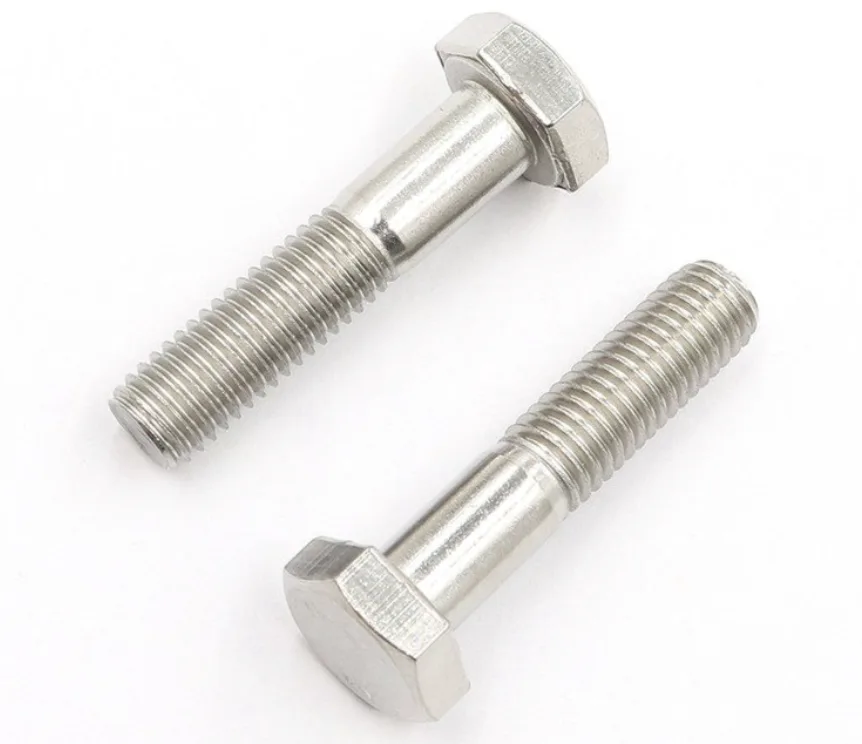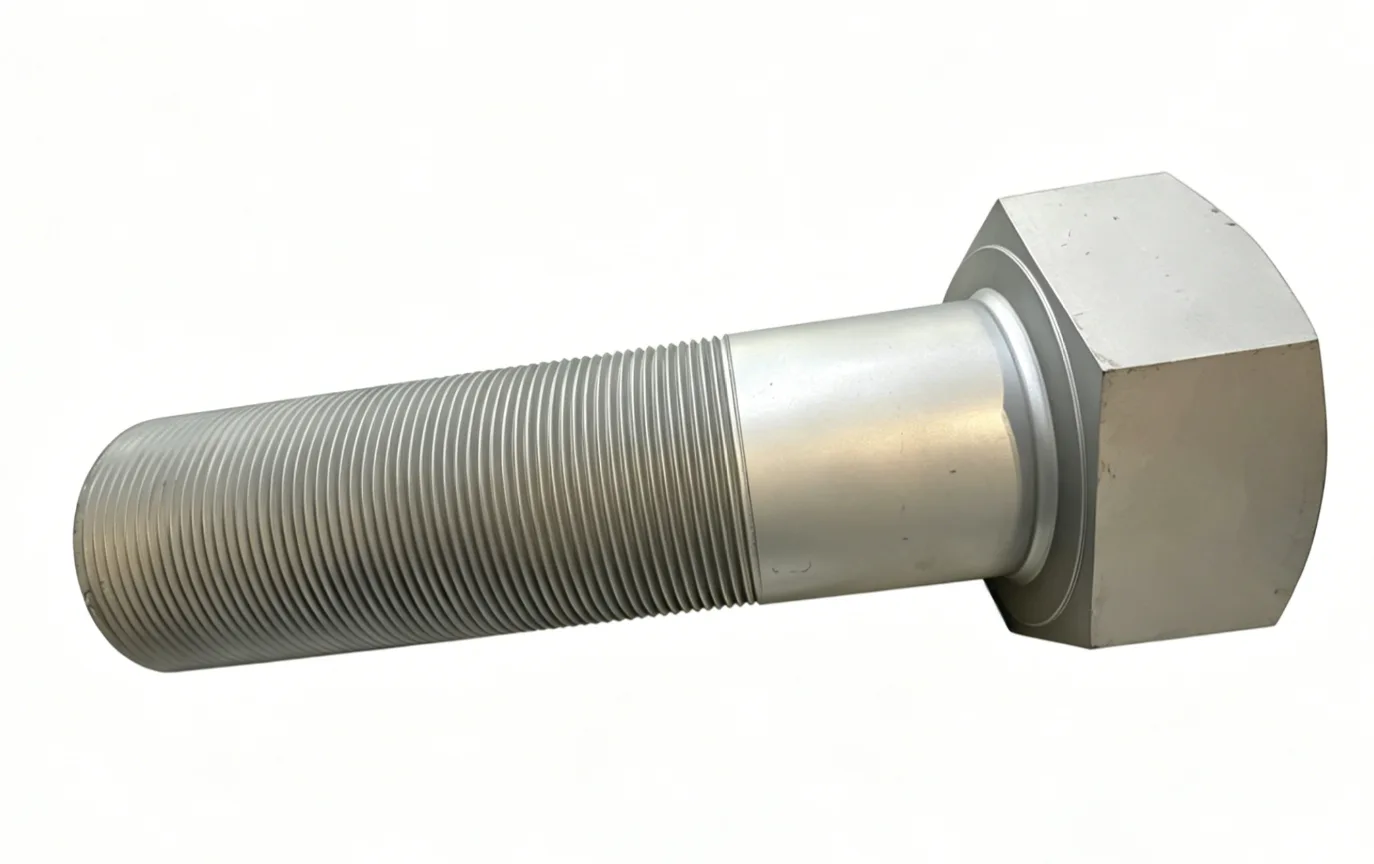
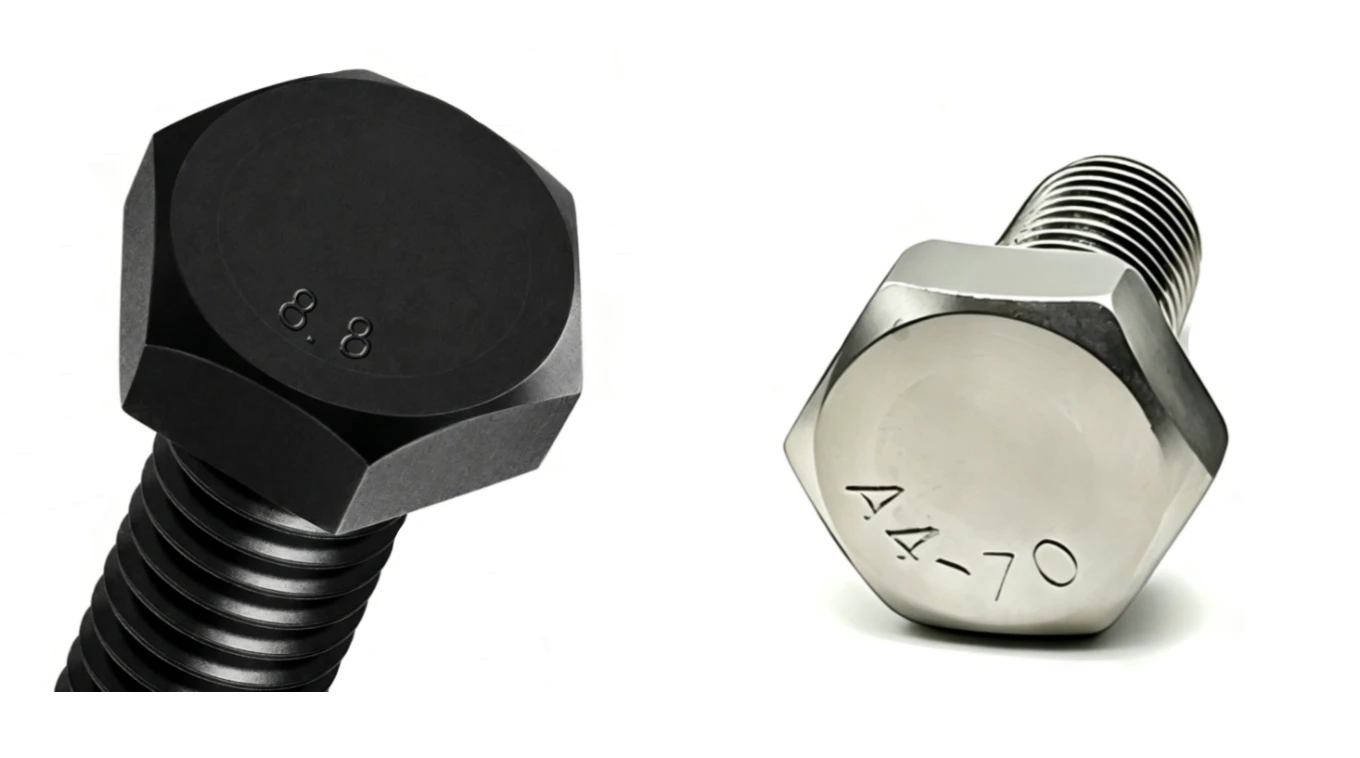
There is no universal winner between stainless steel and high-tensile bolts. Stainless fasteners are usually selected when corrosion resistance, hygiene or low maintenance matters most. Quenched-and-tempered carbon or alloy steel fasteners are usually selected when the joint needs higher preload, strength or a better strength-to-cost ratio. The useful comparison is specific material + property class + product standard + joint conditions, not stainless versus steel as two generic labels.
Quick comparison
| Fastener option | Common nominal tensile strength | Main advantage | Main limitation | Typical starting point |
|---|---|---|---|---|
| A2-70 / A4-70 to ISO 3506-1 | 700 MPa | Inherent corrosion resistance | Lower preload than 10.9/12.9; galling risk | General equipment, outdoor, hygienic or chemical service by grade |
| A4-80 to ISO 3506-1 | 800 MPa | Corrosion resistance with more strength than class 70 | Not an automatic substitute for 8.8 | Corrosive service needing higher stainless strength |
| Class 8.8 to ISO 898-1 | 800 MPa | Strength, ductility and cost balance | Needs corrosion protection when exposed | Machinery, structures and equipment |
| Class 10.9 | 1000 MPa | Higher preload and strength | Greater sensitivity to hydrogen and friction control | Automotive, machinery and high-load joints |
| Class 12.9 | 1200 MPa | Very high strength in compact joints | Not a universal upgrade; higher hardness and sensitivity | Specifically engineered high-strength applications |
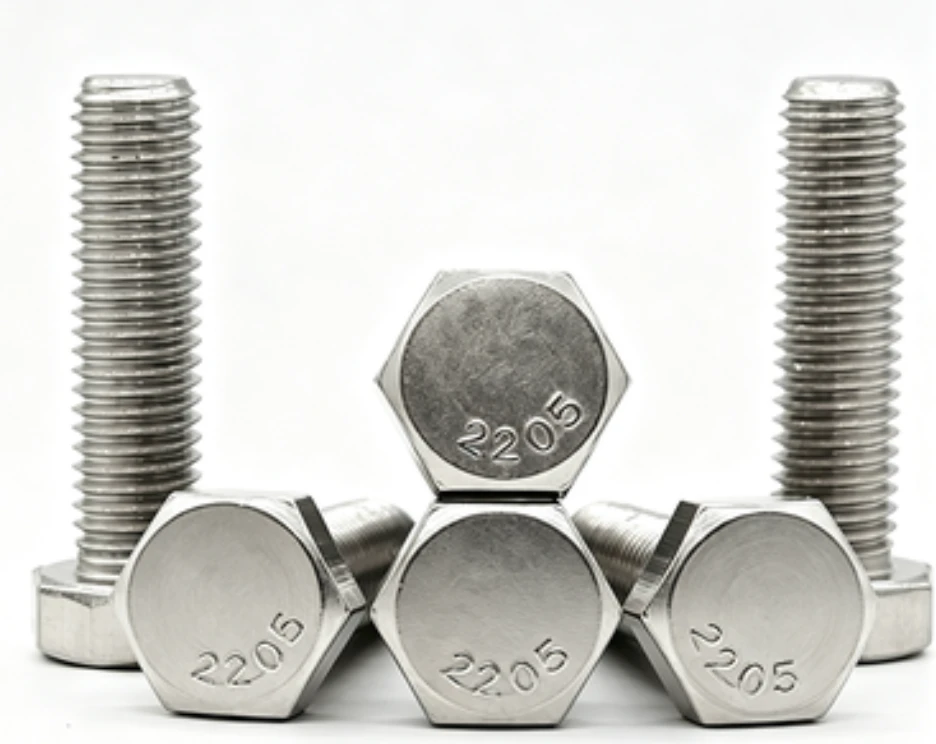
| Duplex 2205 / super duplex | Standard and condition dependent | Strength plus chloride resistance | Higher cost, sourcing and qualification demands | Offshore, coastal, chemical and oil-and-gas service |
These are common nominal benchmarks, not a purchase certificate. Exact minimum values and applicability vary with diameter, product form and the edition of ISO 3506-1 or ISO 898-1. Always confirm the product standard and size range used by the drawing or purchase specification.
Strength: equal tensile strength does not mean interchangeability
A4-80 stainless and property class 8.8 both have a nominal tensile strength of 800 MPa, but they are not automatically equivalent. Their minimum proof or yield strength, ductility, hardness, friction, tightening response, galling behavior and compatible nut/washer requirements can differ. A change of material can also change preload scatter and fatigue performance even when the bolt dimensions remain identical.
For common metric-size comparisons, A2/A4-70 has an indicative minimum 0.2% proof stress around 450 MPa, A4-80 around 600 MPa, class 8.8 around 640 MPa, class 10.9 around 900 MPa and class 12.9 around 1080 MPa. These figures explain why matching A4-80 and 8.8 only by their 800 MPa tensile value is incomplete. Confirm the exact values for the applicable diameter and standard edition.
If the calculated joint genuinely requires 10.9- or 12.9-level preload, ordinary A2/A4 stainless should not be substituted merely for corrosion resistance. The alternatives may be a qualified coated high-strength fastener, duplex stainless bolts, a corrosion-resistant alloy or a redesigned joint, depending on the environment and governing code.
Corrosion resistance: inherent material versus coating system
A2 and A4 stainless form a chromium-rich passive film that can reform under suitable oxygen conditions. A2 is a common choice for normal atmospheric and mild process exposure. A4 generally performs better where chlorides are present, but 316/A4 is not automatically suitable for every marine immersion, warm chloride or crevice condition. Chloride level, temperature, splash or immersion zone, deposits, crevices and design life all matter.
High-tensile carbon and alloy steel has no comparable inherent protection and may require electroplated zinc, hot-dip galvanizing, zinc flake or another qualified system. Coating choice must account for corrosion class, thread fit, dimensional allowance, friction, tightening method and fastener hardness. Salt-spray hours compare coating systems under a test method; they do not convert directly into years of outdoor or marine service.
Coating and lubricant are also installation variables. Changing from plain steel to zinc flake, hot-dip galvanizing or a lubricated finish changes thread and bearing friction, so a previously used torque may produce a different preload. Critical joints should use tightening data qualified for the actual bolt, nut, washer, coating and lubricant combination.
Two different failure risks: galling and hydrogen embrittlement
| Risk | Most associated with | What happens | Practical controls |
|---|---|---|---|
| Thread galling / seizure | A2/A4 stainless and other adhesive-wear-prone thread pairs | Thread surfaces adhere and tear during tightening; the assembly may lock before target preload | Qualified lubricant or anti-seize, suitable nut pairing, slower installation, controlled finish and tolerances, verified torque/preload procedure |
| Hydrogen embrittlement | Hardened high-strength steel, especially after acid cleaning or electrolytic coating | Delayed brittle fracture can occur under sustained tensile stress | Control hydrogen-producing processes, follow the applicable coating/product standard, apply required relief treatment promptly, and qualify a suitable non-electrolytic coating when appropriate |
Non-electrolytic zinc-flake coatings can reduce process-induced hydrogen risk compared with some electroplating routes, but they do not prove that all hydrogen risk has been eliminated. Post-coating baking can reduce diffusible hydrogen when properly specified, yet it is not a universal guarantee. Requirements must follow the relevant product and coating specifications, such as ISO 4042 or ISO 10683 where applicable, plus purchaser requirements.
Galvanic corrosion when stainless and carbon steel are mixed
Galvanic corrosion needs dissimilar electrochemical potentials, metallic contact and an electrolyte. The less noble material becomes the anode, and the most unfavorable area ratio is usually a small anode connected to a large cathode because corrosion current is concentrated on the small anodic area.
A small stainless fastener in a large bare carbon-steel member therefore does not automatically create the worst area ratio. However, a small coating defect or exposed steel ring beside a larger passive stainless surface can act as a concentrated anode, while crevices and trapped water make the local condition worse. Evaluate the actual exposed areas, coating continuity, drainage and service electrolyte rather than applying a simple material-name rule.
Where needed, use compatible barrier coatings, isolation washers or sleeves, sealants, drainage and a maintainable protection system. Also do not specify A2/A4 as universally non-magnetic: cold working can make austenitic stainless fasteners slightly magnetic. Magnetically sensitive equipment should state an actual permeability or test requirement.
Selection by application
| Application | Typical starting point | Checks that decide the final choice |
|---|---|---|
| Heavy machinery and shock-loaded equipment | 8.8, 10.9 or an engineered grade | Static load, fatigue, preload, coating, friction, thread engagement and service inspection |
| Structural steel | Approved structural bolting system | Project standard, bolt/nut/washer assembly, installation method and corrosion protection |
| Marine and coastal equipment | A4, duplex or corrosion-resistant alloy | Chlorides, temperature, splash/immersion, crevices, galvanic compatibility and design life |
| Food, pharmaceutical and hygienic equipment | Process-compatible stainless | Product-contact rules, cleaning chemistry, surface condition and documentation |
| Automotive joints | Joint-specific; often high-strength steel | OEM specification, fatigue, coating, friction and controlled tightening |
| High-temperature or pressure service | Code-specified bolting grade | Allowable stress, strength retention, relaxation or creep, nut pairing and environment; 12.9 is not a temperature rating |
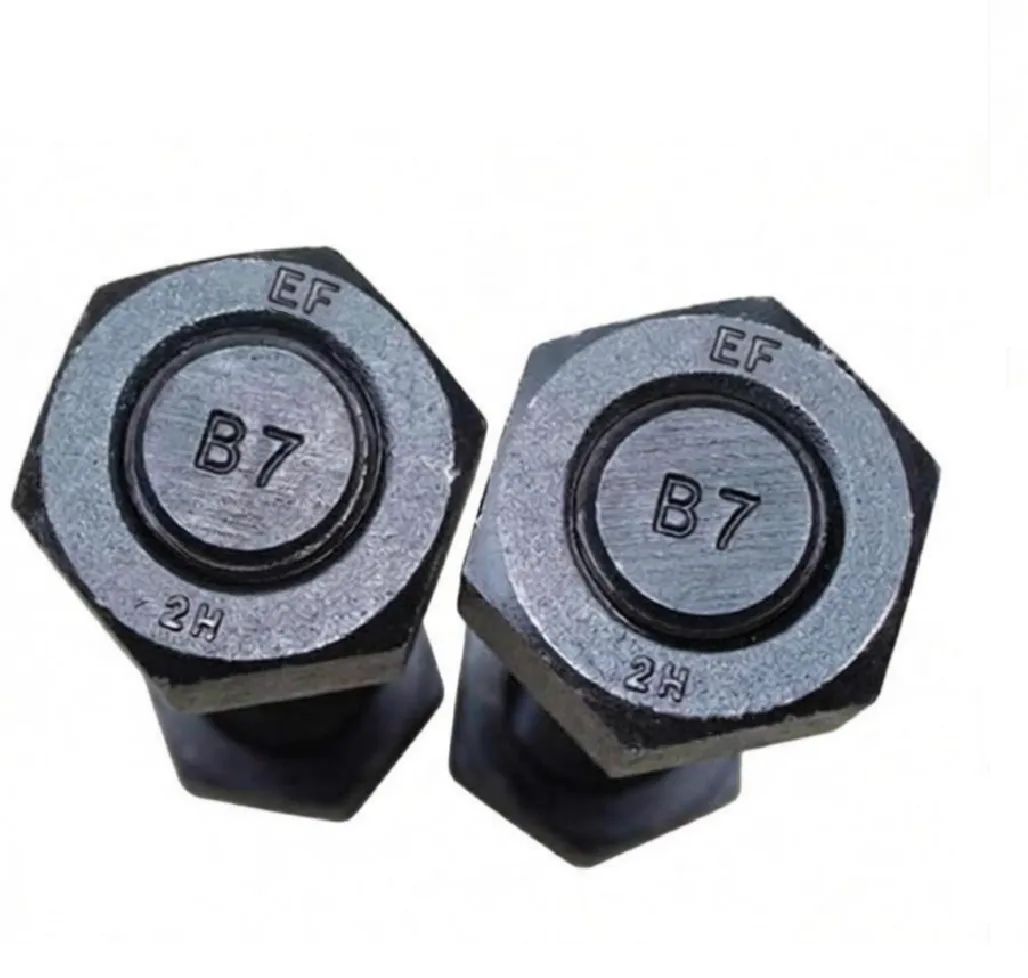
For pressure or elevated-temperature service, use the material grades and allowable-stress framework required by the governing code. An ASTM A193 B7 stud bolt, an ISO property-class bolt and an A4 stainless bolt belong to different specification systems and should not be treated as direct equivalents from tensile strength alone.
Cost: compare service life, not only unit price
Stainless fasteners usually have a higher initial material price. Coated high-strength steel often offers a better cost-to-strength ratio for controlled indoor, machinery or structural service. The decision may reverse where coating maintenance, inspection access, corrosion downtime, replacement labor or a long design life dominates total ownership cost. Duplex and nickel alloys cost more again, but may be justified where both strength and severe corrosion resistance are essential.
Practical selection checklist
- Define tensile, shear, preload, fatigue, slip and joint-stiffness requirements.
- Define water, chloride, chemical, temperature, immersion and cleaning exposure.
- Select a material and property class that meets both mechanical and environmental requirements.
- Check the bolt, nut, washer, internal thread, coating, lubricant and clamped material as one system.
- Verify galvanic compatibility, galling or hydrogen-embrittlement controls as applicable.
- Qualify the tightening method from target preload and actual friction conditions.
- Confirm the governing product standard, diameter range, certificates and inspection plan.
What buyers should put in the RFQ
Provide the standard and edition, bolt type, diameter, length and thread pitch; material and property class; coating, passivation or lubricant; quantity and annual demand; operating temperature and corrosion environment; joint/application description; torque or preload requirement; nut and washer pairing; lot traceability; MTC/CoC and dimensional, mechanical, coating, PMI or other inspection requirements. A request reading only ‘M16 stainless bolt’ or ‘M20 high-tensile bolt’ is not enough for a reliable technical quotation.
For more detail, see the 8.8 vs 10.9 vs 12.9 bolt grade guide, the broader fastener material selection guide and the stainless thread galling guide. Relevant products include A2/A4 stainless hex bolts, duplex hex bolts, high-strength structural bolts and ASTM A193 B7 studs.
Final recommendation
Choose stainless when corrosion resistance, hygiene, appearance and reduced maintenance dominate. Choose high-tensile steel when preload, mechanical strength and strength-to-cost ratio dominate and a suitable protection system can be maintained. Consider duplex or specialty alloys when high strength and severe corrosion resistance are both required. Never approve a substitution from matching dimensions or tensile strength alone; verify the complete joint and service environment.