Fastening Challenge We Overcome
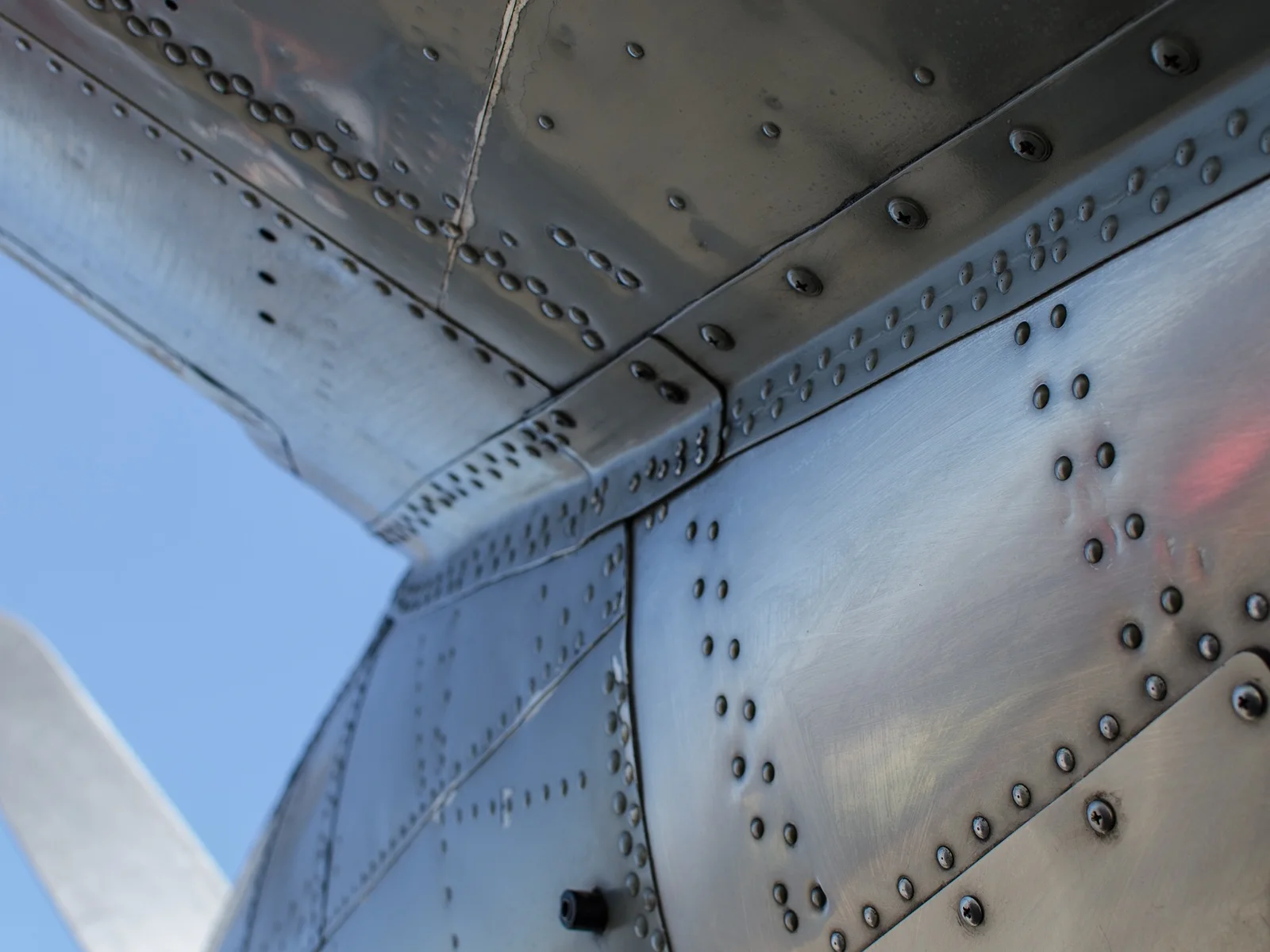
Grip length and shear planeAirframe fastening is shaped by load transfer, fatigue cycles, thin skins, brackets, access panels and galvanic compatibility.
Confirm the joint class before selecting material Match head, washer and bearing area to the stack Use drawing-controlled titanium, stainless or close-tolerance hardware where required
Technical Focus: Grip length and shear plane · Thin-skin bearing control · Fatigue and vibration · Galvanic isolation
Fastening system logic
Load-path and fatigue-aware bolting for airframe skins, frames and access hardware
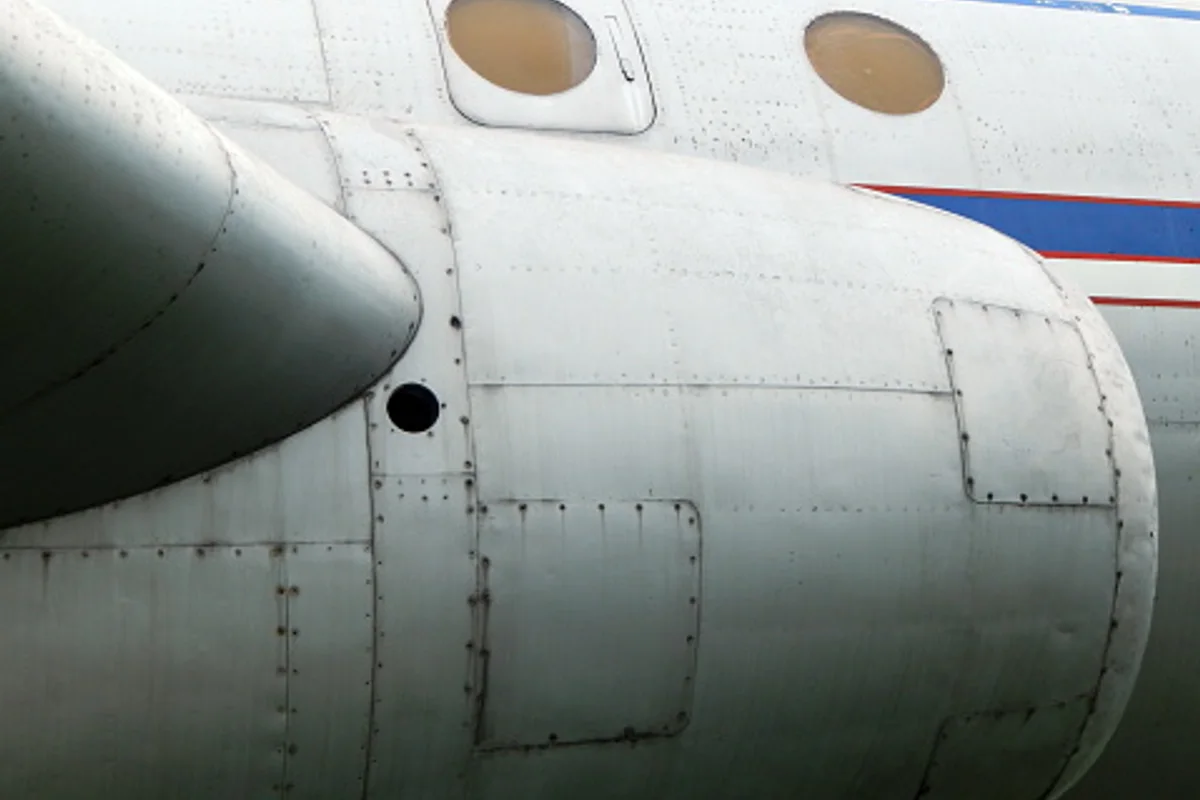
Airframe joints include skins, stringers, frames, brackets, fairings and access panels. They see repeated flight-cycle loading, vibration, moisture, sealants and frequent inspection decisions.
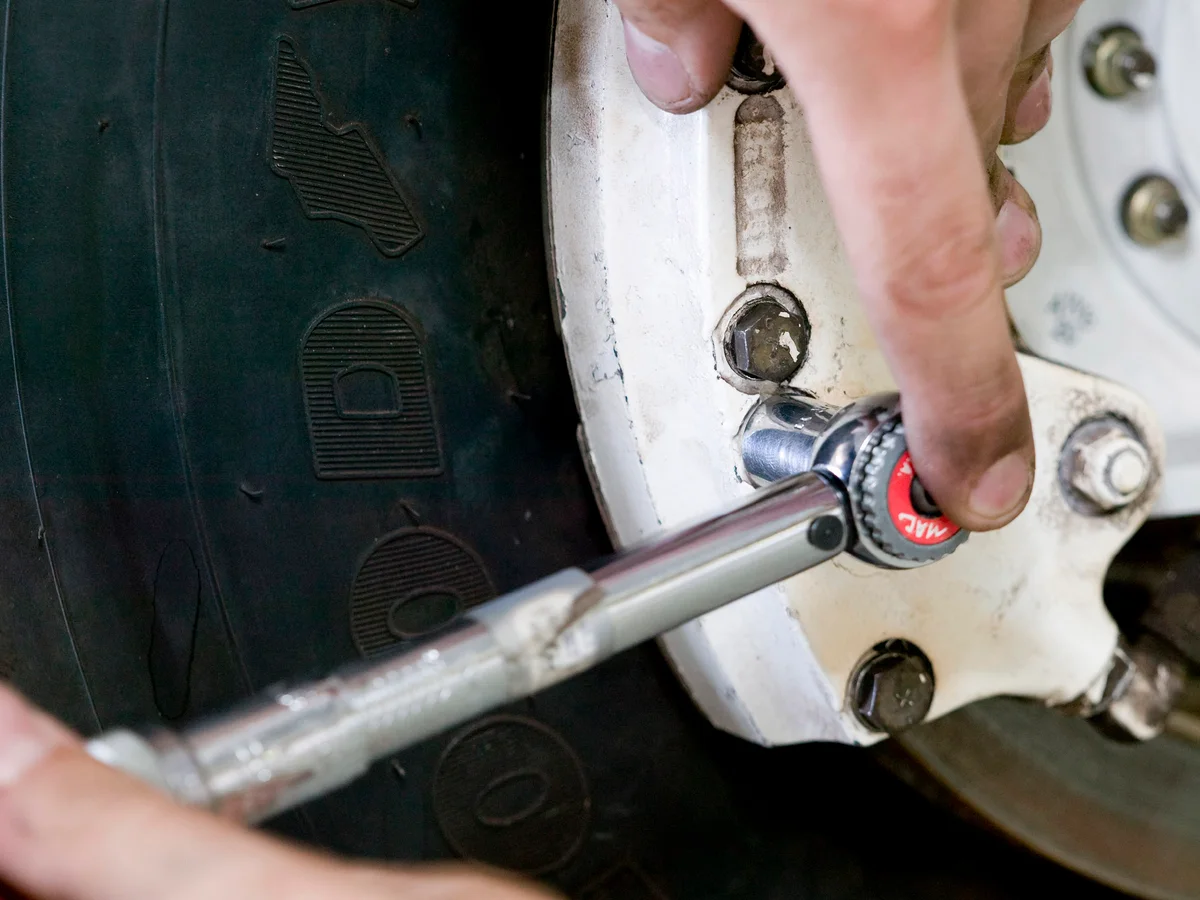
Joint function: The first split is structural versus removable. Load-transfer joints care about fatigue, grip and shear plane position; access hardware cares about repeat removal, retained parts and damage-free service.
Recommended assembly
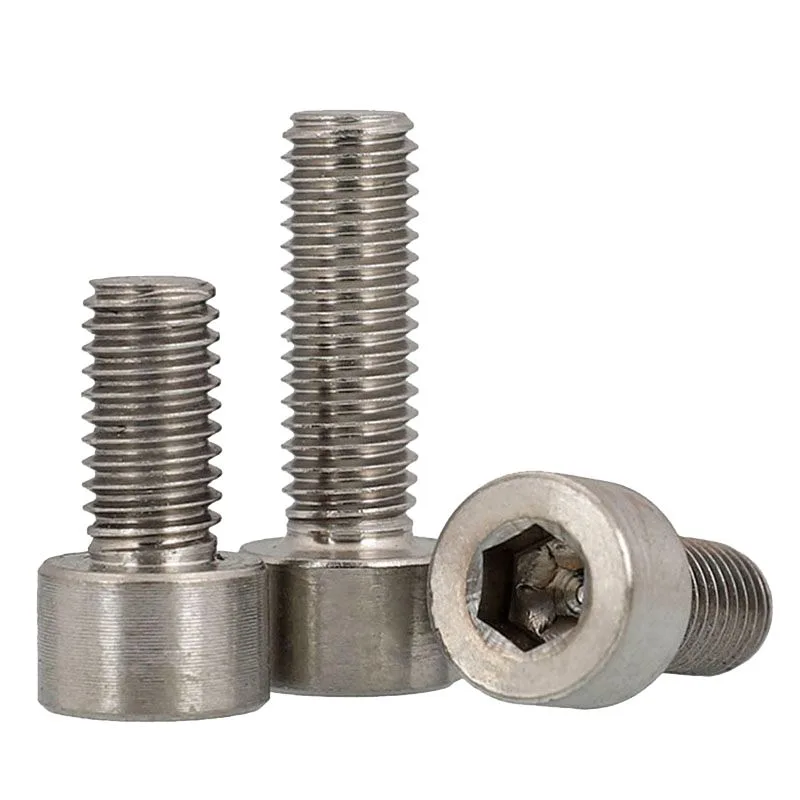
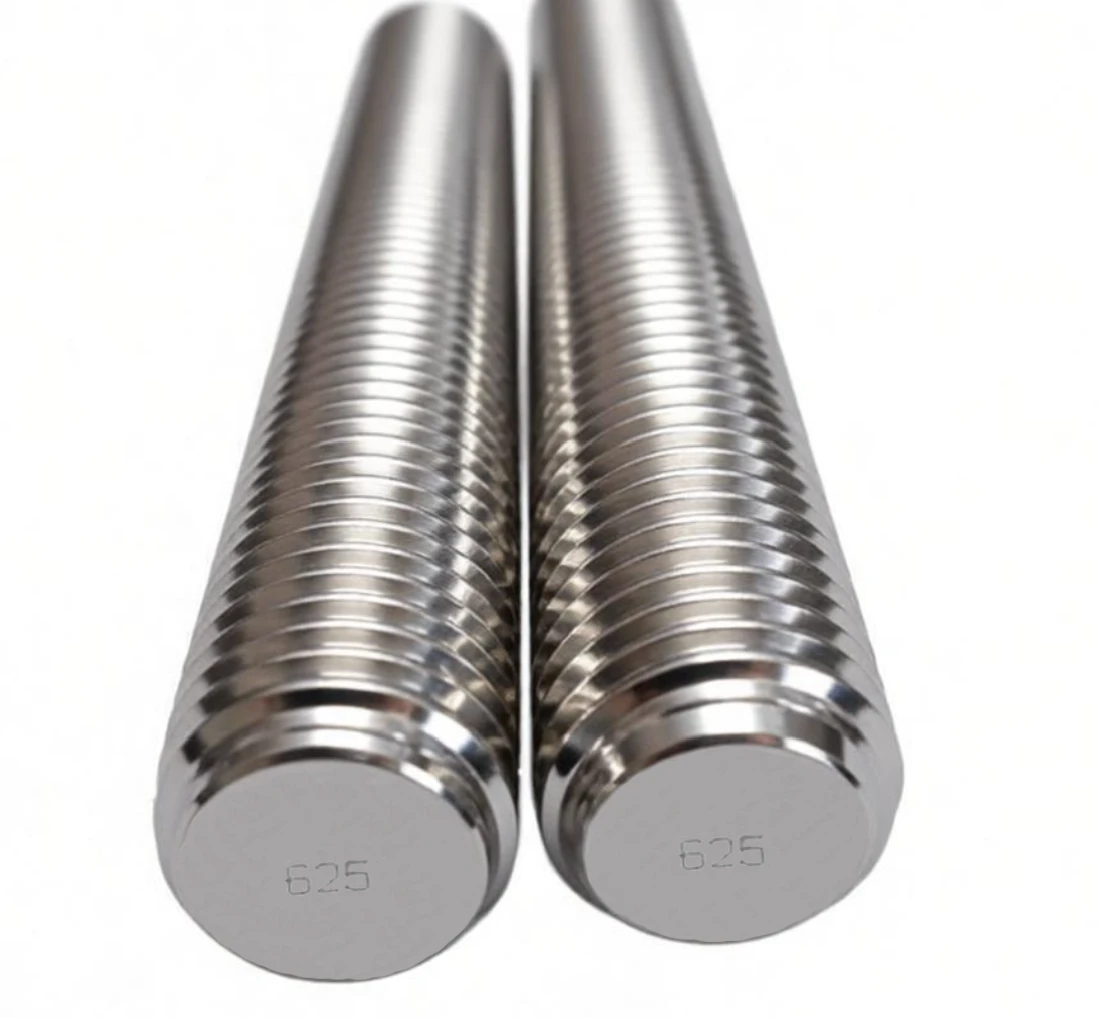
- Titanium structural bolts and screws for weight-sensitive skin, frame and bracket joints.
- Close-tolerance bolts / pins where shear plane location and hole fit control fatigue behavior.
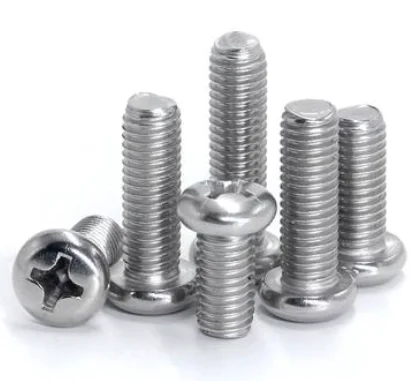
- Countersunk or low-profile panel screws for aerodynamic surfaces and removable access covers.
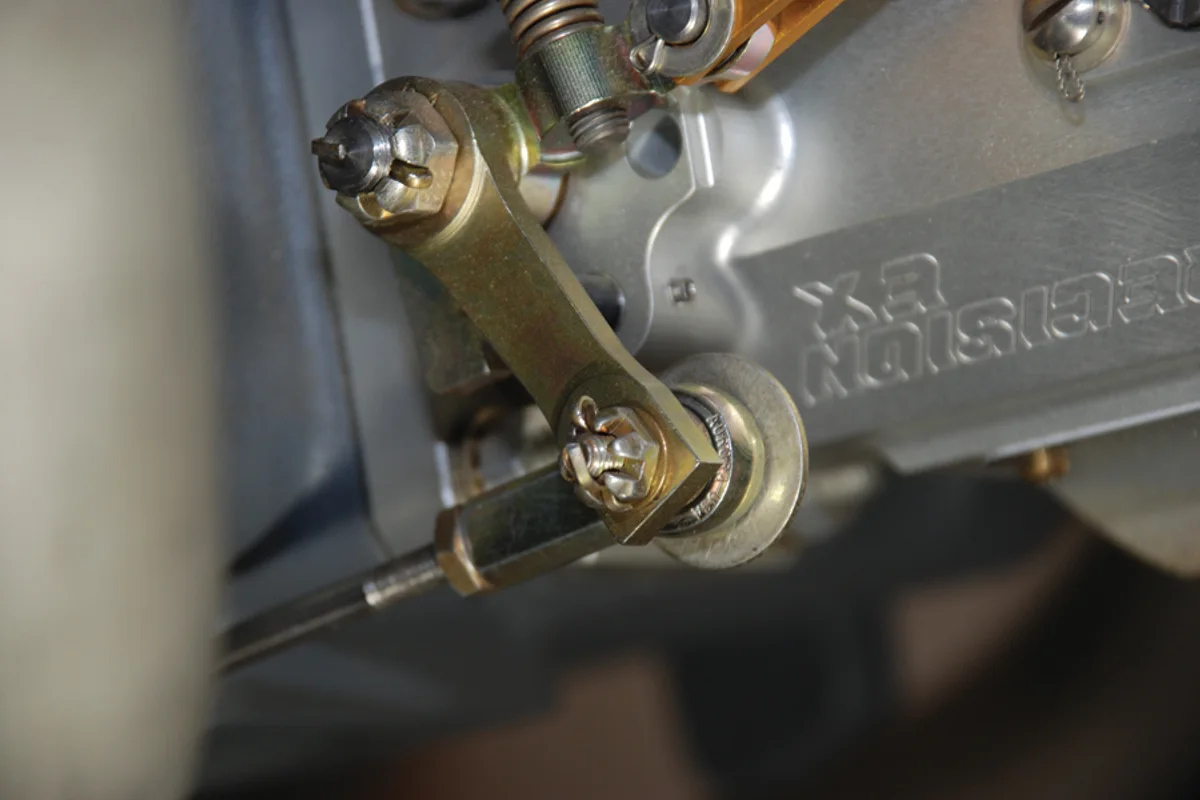
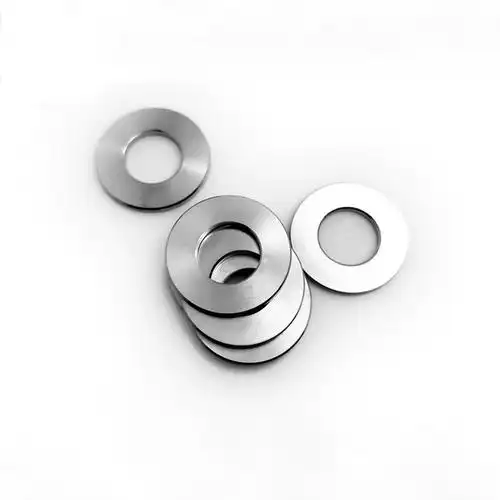
- Compatible lock nuts, flat washers and isolation washers to manage preload and galvanic pairing.
Material and coating logic
- Ti-6Al-4V is common where strength-to-weight matters; stainless, A286 or drawing-controlled alloy steel may be used where corrosion, temperature or program requirements point there.
- Select the fastener as part of the joint stack: grip length, head bearing area, washer use, galvanic isolation and locking method must preserve clamp and avoid local damage.
- Confirm grip length, shear plane location, galvanic isolation and washer footprint before substituting head or drive style.
Validation evidence
Material certificate by heat / lotDimensional inspection reportProcess and surface-treatment record when specified
Common field risk: A lighter fastener can still be wrong if it changes joint stiffness, bearing area or fatigue behavior.