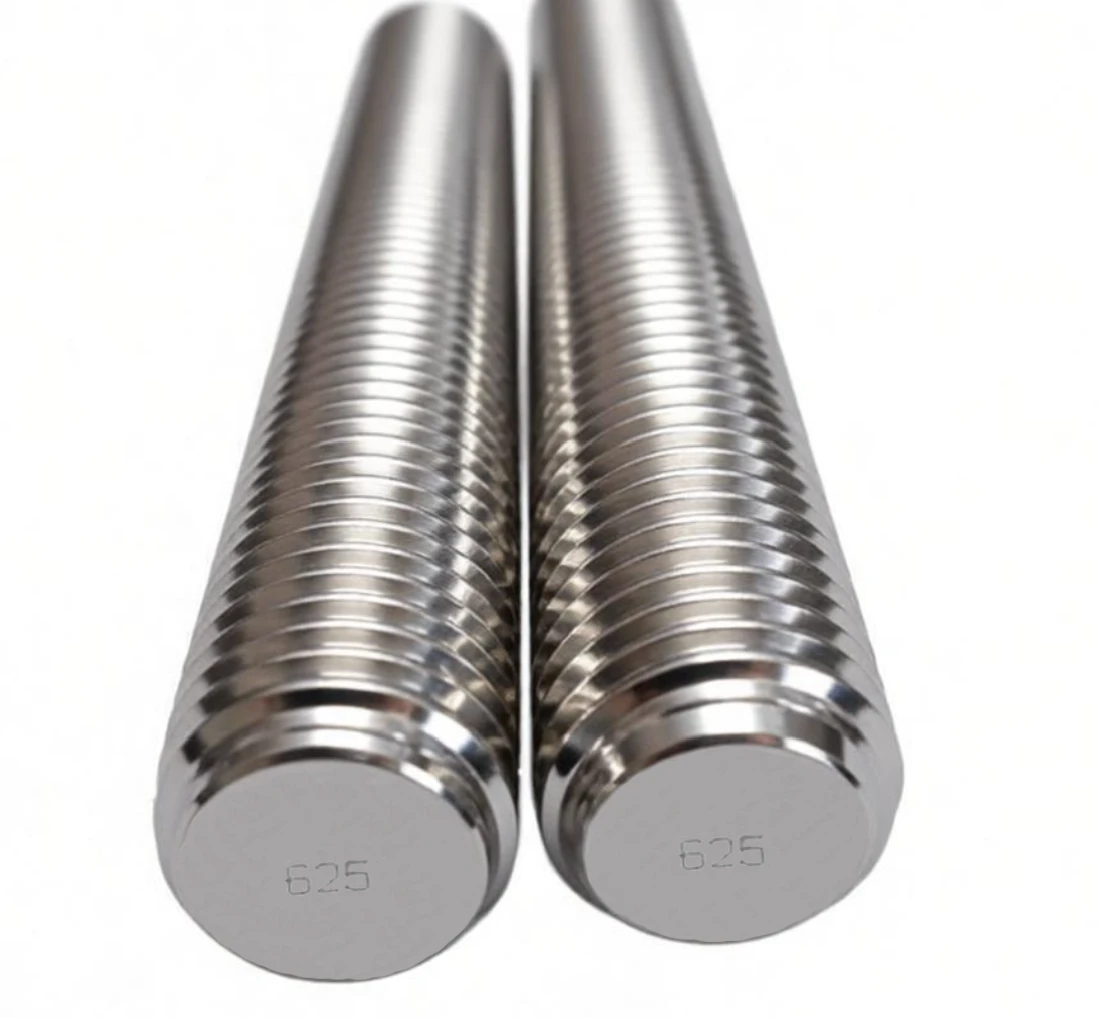
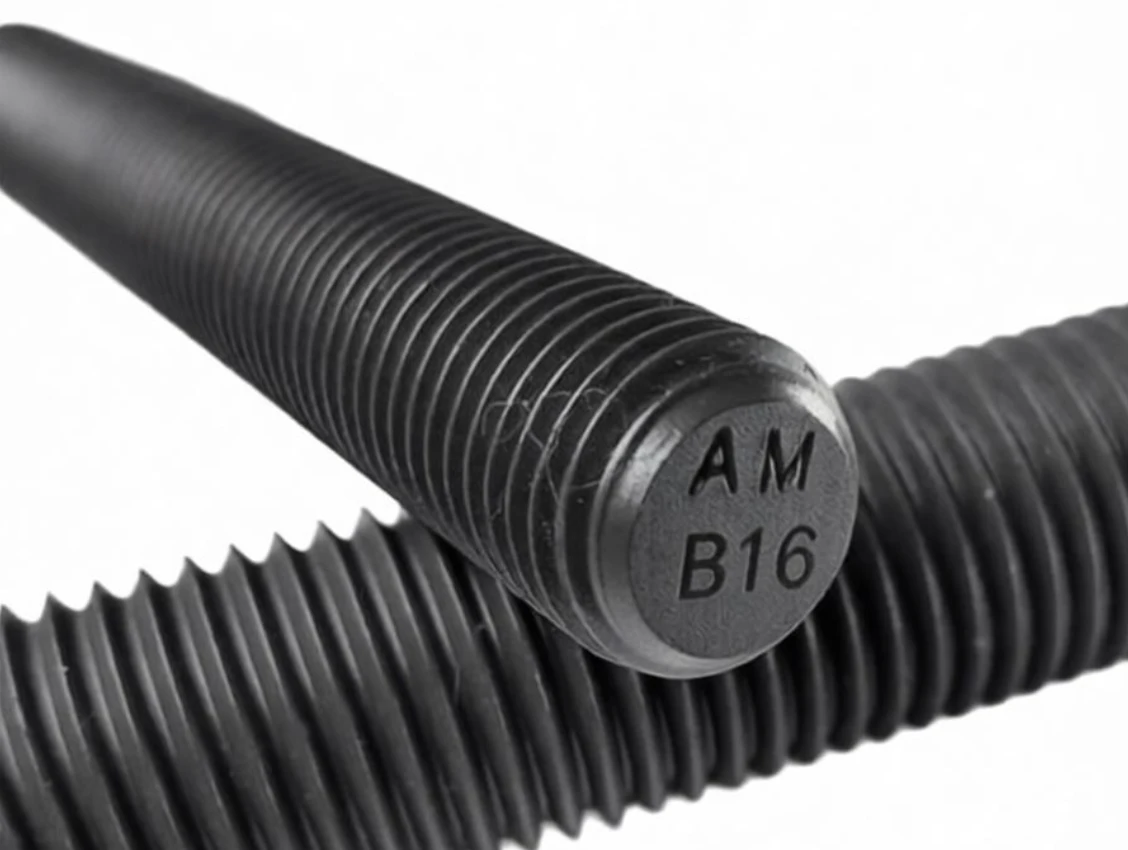
This page combines Inconel 625 and Inconel 718 stud bolts under one procurement route. Alloy 625 / UNS N06625 is a nickel-chromium-molybdenum-niobium alloy commonly selected for chloride, seawater, offshore and aggressive chemical-process corrosion resistance.
Alloy 718 / UNS N07718 is a precipitation-hardening nickel-chromium alloy selected for high mechanical strength, fatigue resistance and strength retention at elevated temperature in turbines, power equipment, oilfield assemblies and qualified OEM systems. Its properties depend strongly on solution treatment, aging route, section size and the specified material condition.
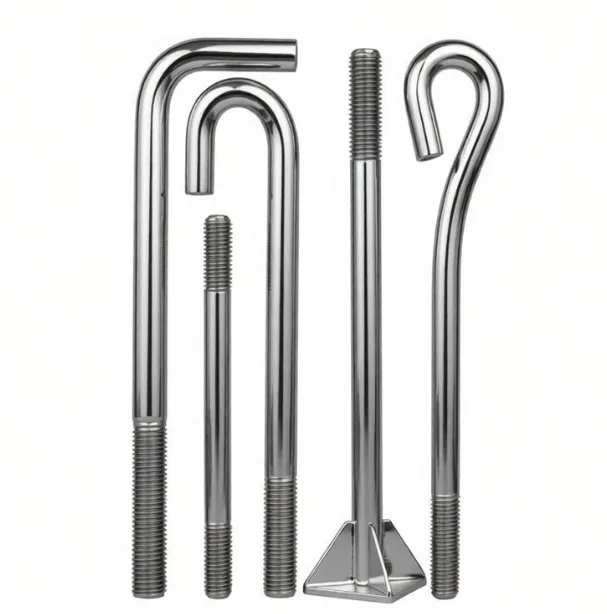
Alloy 625 and Alloy 718 are not automatic substitutes. ASTM B446 and ASTM B637 primarily govern material, not the complete finished-stud geometry or aerospace qualification. The order must add ASTM F468 where applicable, ASME B18.31.2 or a customer/OEM drawing, thread and end requirements, inspection, NDT and any NACE or ISO sour-service route.
Alloy options
Alloy 625 / UNS N06625; Alloy 718 / UNS N07718
Alloy 625 material reference
ASTM B446; commonly selected where corrosion resistance governs
Alloy 718 material reference
ASTM B637 with condition and heat-treatment route stated; commonly selected where strength and temperature govern
Fastener reference
ASTM F468 where applicable; project, aerospace or OEM specification may supersede it
Dimensions
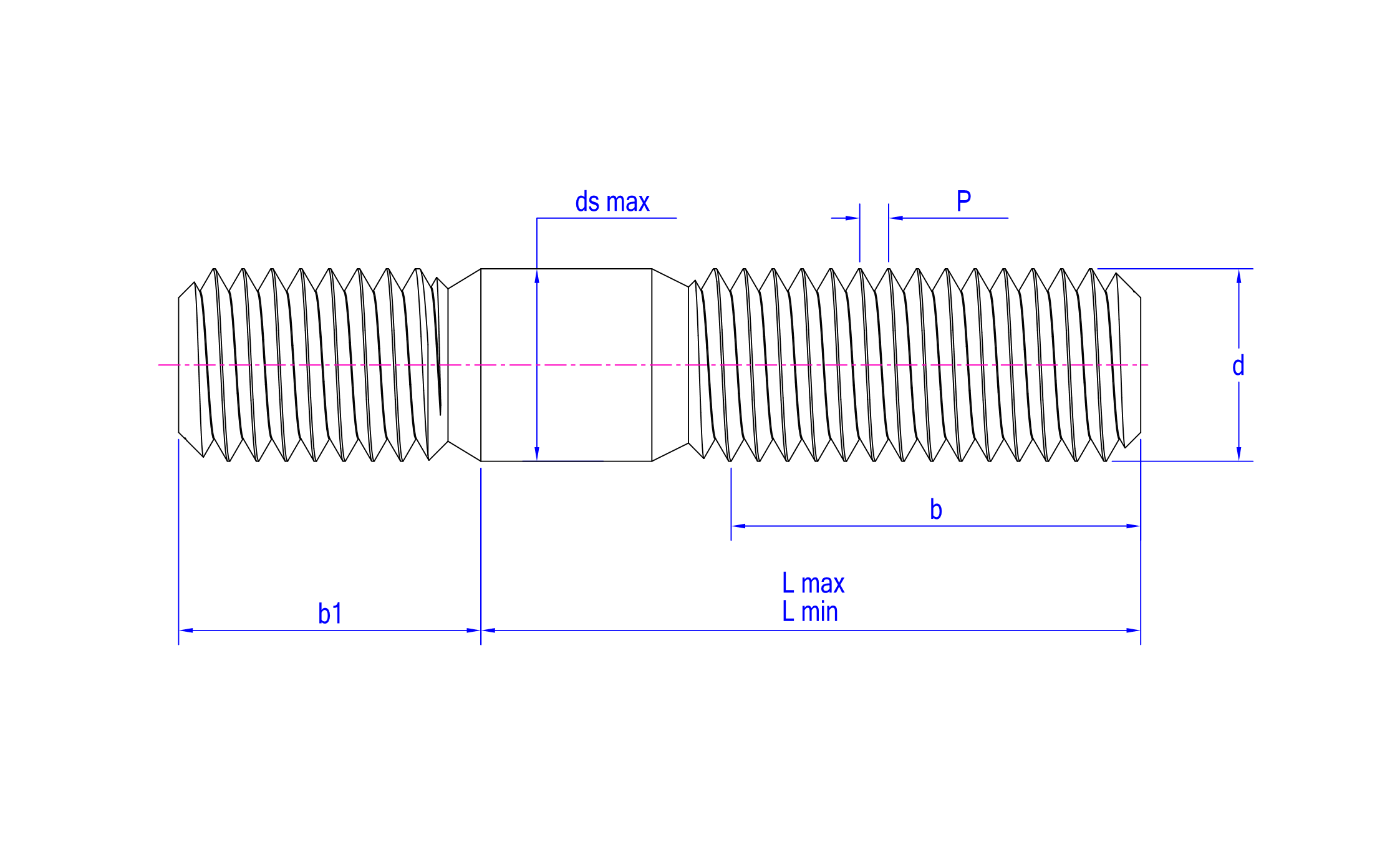
ASME B18.31.2 or customer/OEM drawing; UNC, UNJF, 8UN or metric as specified
Size range
M8-M48 / 3/8 in-2 in; other drawing sizes reviewed by project
Surface condition
Machined, pickled, passivated or project specified; coating and lubricant qualified for service
Alloy 625 serves seawater and corrosive process joints; Alloy 718 may serve specialized high-load equipment. Corrosion and sour-service approval remain separate from tensile strength.
A generic Alloy 718 or ASTM F468 declaration is not equivalent to an aerospace-qualified drawing. Follow OEM material, process, thread, NDT and source-approval requirements.
Choose Alloy 625 for a corrosion-led route or Alloy 718 for a strength-and-temperature-led route after reviewing medium, load, condition and qualification requirements.
Alloy 625 from ASTM B446 bar or Alloy 718 from ASTM B637 materialMTC, chemistry, heat number and positive material identification
Alloy 718 solution treatment and aging to the invoked route where includedFurnace records, hardness and required mechanical-property tests
Rolled or cut thread and end form to drawingThread gauge, dimensions, surface condition and specified NDT
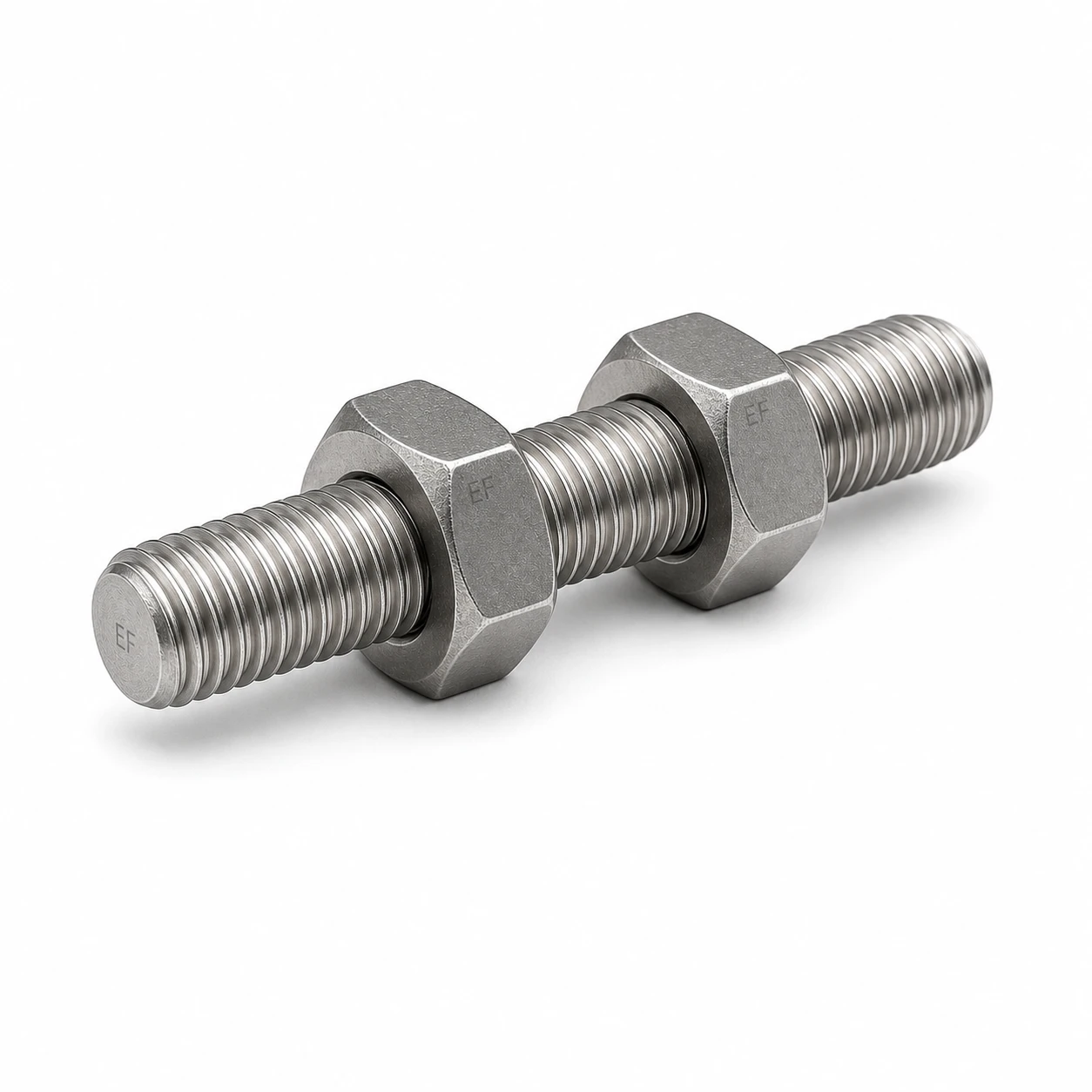
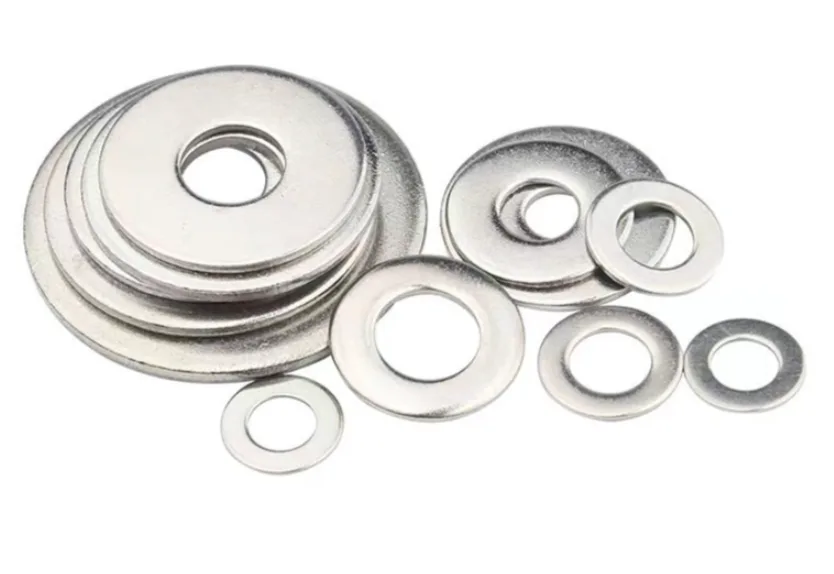
Kitting with approved nickel-alloy nuts and washersAlloy, heat, lot and certificate mapping maintained by package
05
FAQ
Common Questions Before RFQ
What is the difference between Inconel 625 and Inconel 718 stud bolts?
Alloy 625 is commonly selected for chloride and chemical corrosion resistance. Alloy 718 is commonly selected for higher strength, fatigue resistance and elevated-temperature strength retention.
Are Alloy 625 and Alloy 718 interchangeable?
No. Their composition, strengthening route, heat treatment, mechanical properties, material specifications and qualification requirements differ. The purchase order must state the required alloy.
Do ASTM B446 and ASTM B637 define the finished stud bolt?
No. They principally govern Alloy 625 and Alloy 718 material. Add the applicable fastener specification, dimensional standard or customer/OEM drawing.
Can a commercial Alloy 718 stud be used in an aircraft engine?
Not automatically. Aerospace hardware may require an OEM drawing, aerospace material specification, approved source, special manufacturing processes, NDT and lot qualification.
What should an Alloy 625 or 718 stud RFQ include?
State alloy, UNS number, material condition and heat treatment, ASTM or OEM specification, diameter, length, thread, drawing, medium, load, temperature, companion hardware, PMI, NDT, certificates, quantity and traceability.
Need Inconel 625 or Inconel 718 stud bolts?
Send the alloy, material condition, specification, drawing, diameter, length, thread, service medium, load and temperature, companion hardware, inspection and traceability requirements.
Request a Quote
Get engineering support and pricing for this product — our team responds within 24 hours.