Start with the vessel area
A fastener that survives inside a machinery room may fail quickly on a weather deck or in a splash zone. Define the area before choosing the alloy.
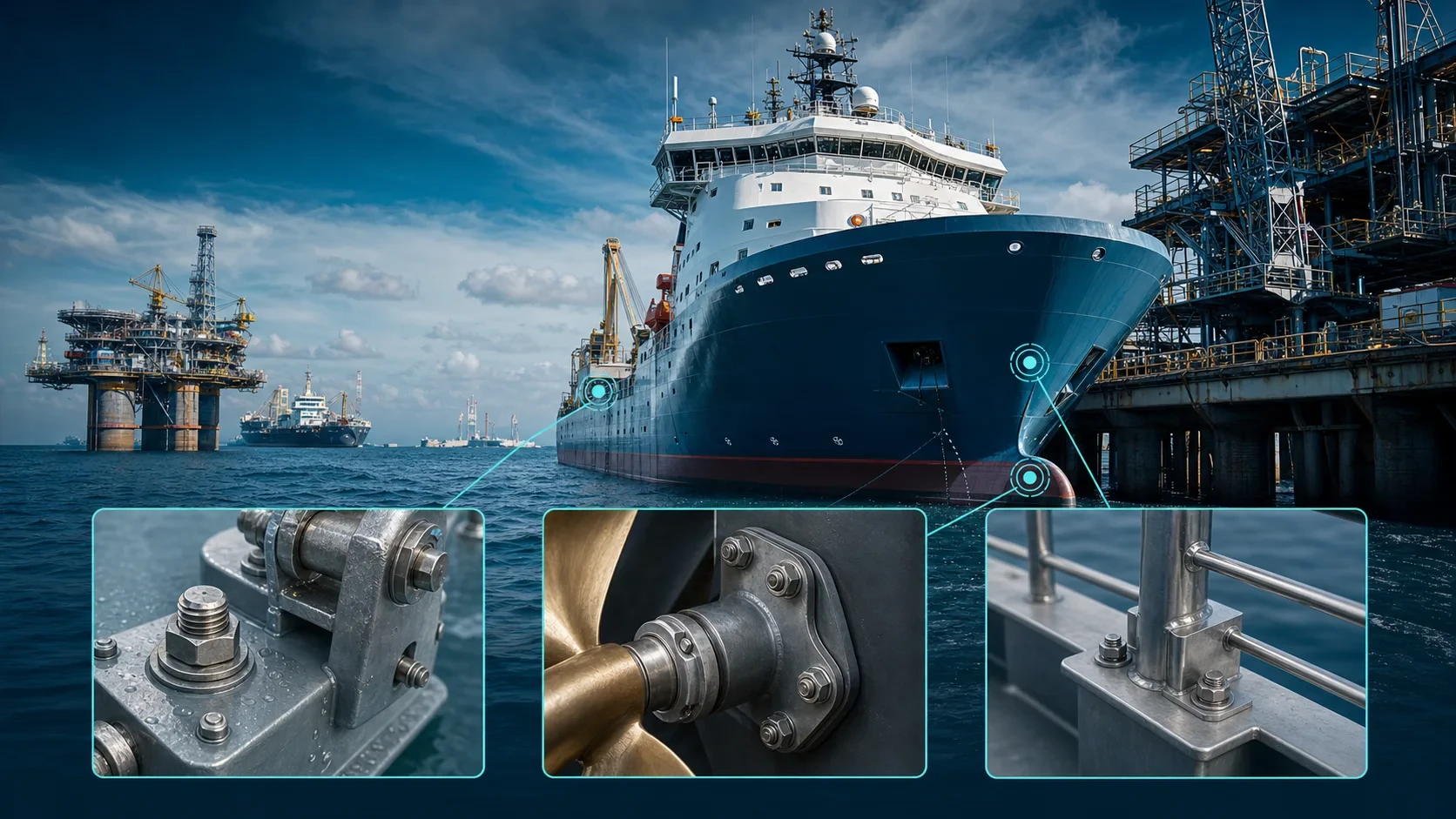
Marine fastening systems
Marine fastening logic
A fastener that survives inside a machinery room may fail quickly on a weather deck or in a splash zone. Define the area before choosing the alloy.
The bolt, nut, washer, parent metal, coating, sealant, drainage path and seawater film all participate in the corrosion behavior.
A4 stainless may be corrosion-resistant but not always strong enough; duplex may solve strength and pitting together; titanium may protect itself while attacking the parent structure.
Marine projects often need heat traceability, PMI, passivation notes, coating compatibility, lubricant control and packaging by block, deck or maintenance work order.
Shipboard application map
Exposure profile
Humidity, heat, vibration and maintenance access
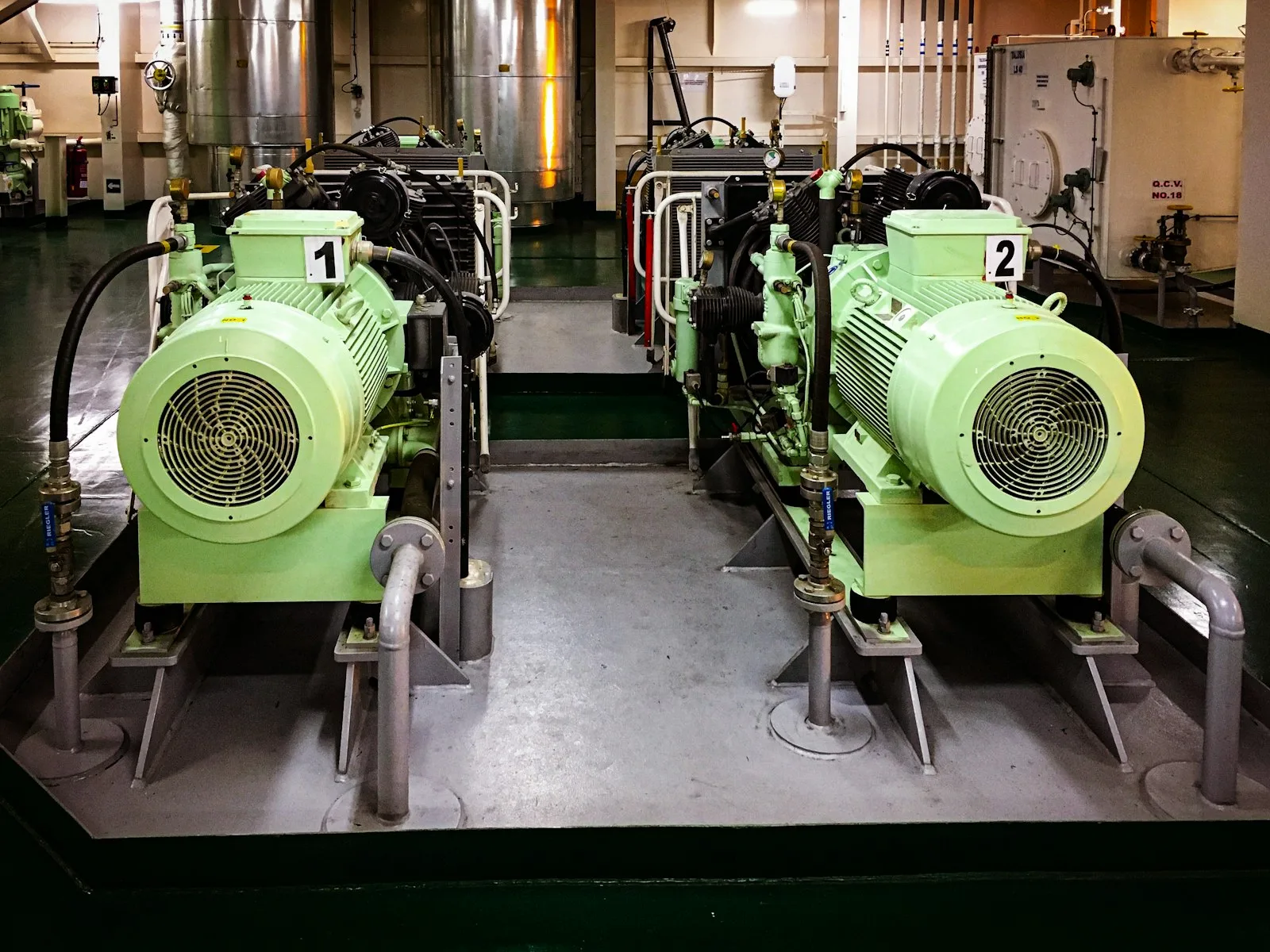
Warm humidity, vibration, repeated maintenance and anti-galling requirements inside machinery spaces.
Interior machinery spaces are sheltered from direct seawater, but heat, condensation, oil mist, vibration and repeated opening of guards make removability and thread condition important.
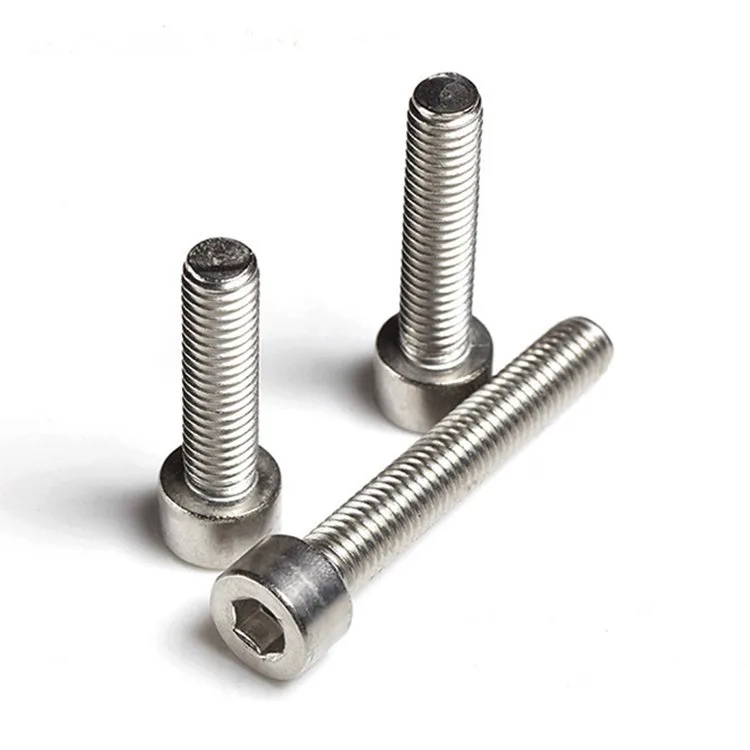
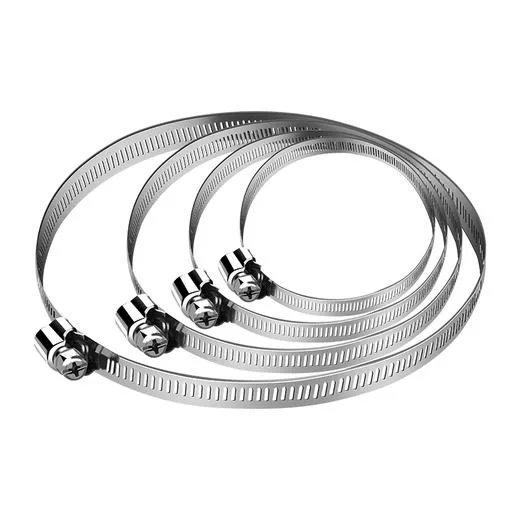
A4-80 socket head cap screws, hex bolts, stainless lock nuts, flat washers and SUS316 hose clamps with anti-galling lubrication for pumps, guards, ventilation and equipment brackets.
A4-70 / A4-80 stainless is a practical baseline. Coated 10.9 alloy steel can be used for dry mechanical load paths only when coating damage and inspection access are controlled.
Treating a warm machinery space as a dry building interior often leads to seized screws and corrosion around guards, clamps and service panels.
Recommended product families
Continuous salt spray, UV and washdown chemicals
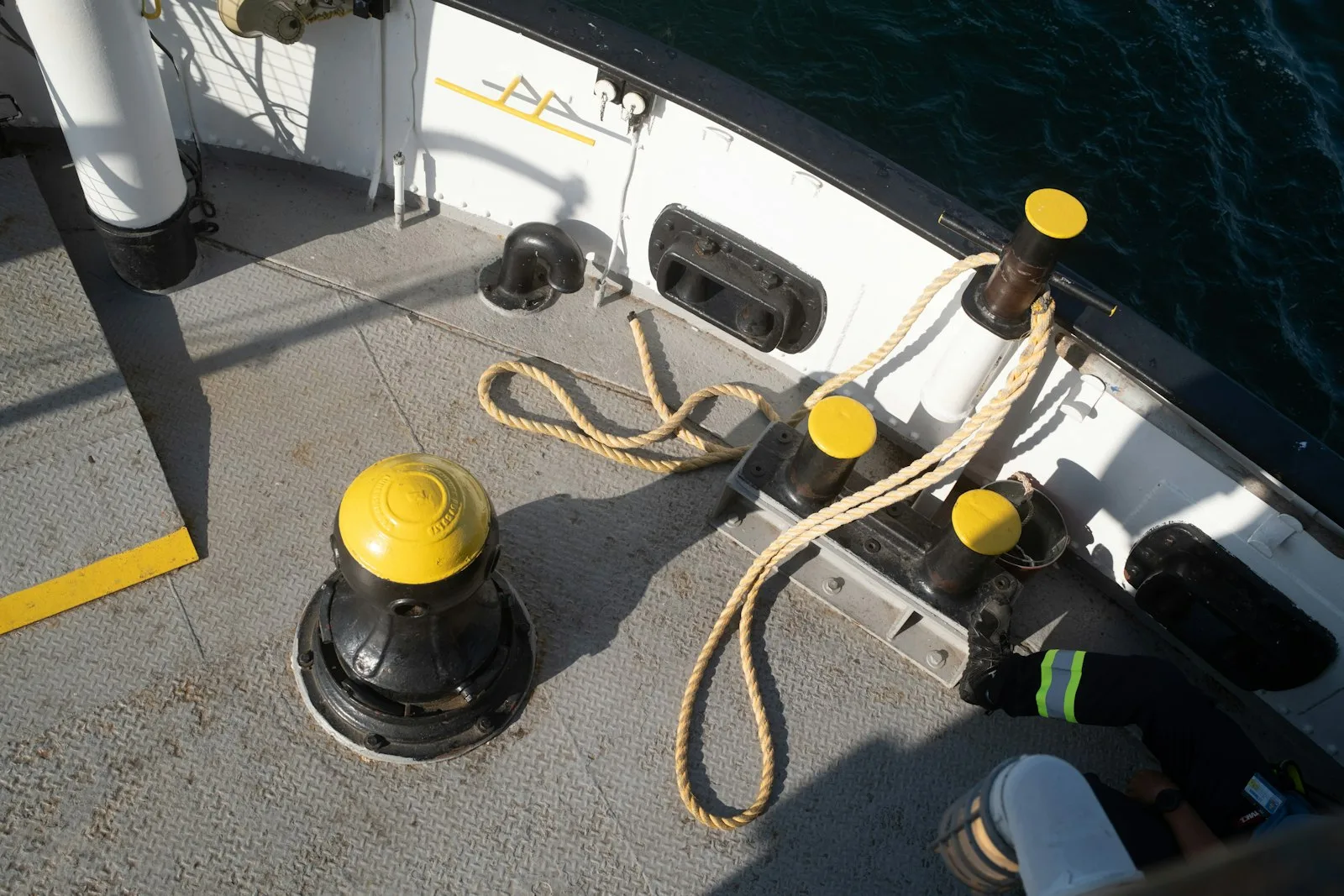
Salt spray, washdown, trip-safe head forms, visible staining control and removable deck hardware.
Weather-deck hardware sees salt spray, UV, washdown chemicals, foot traffic and frequent inspection, so corrosion appearance, safe head geometry and service removal matter together.
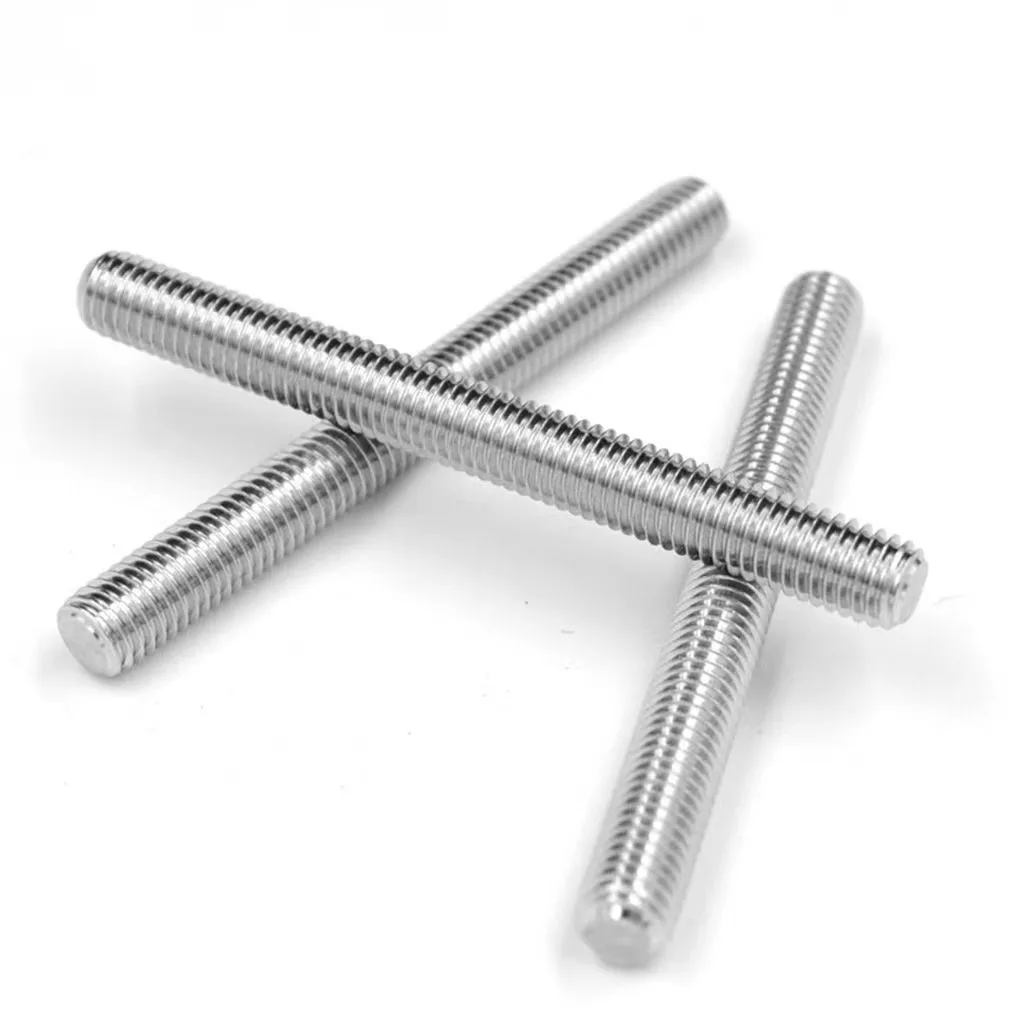
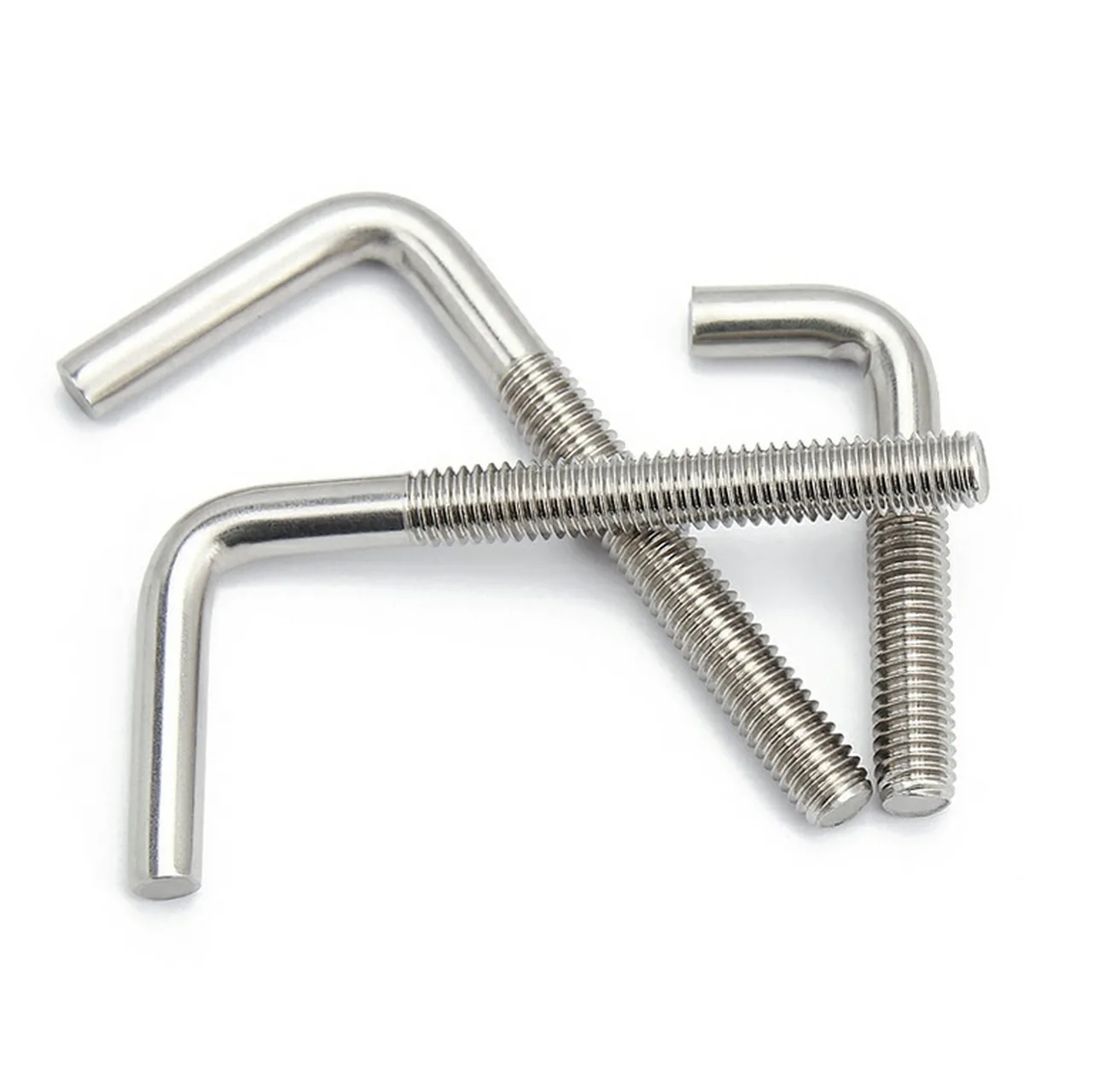
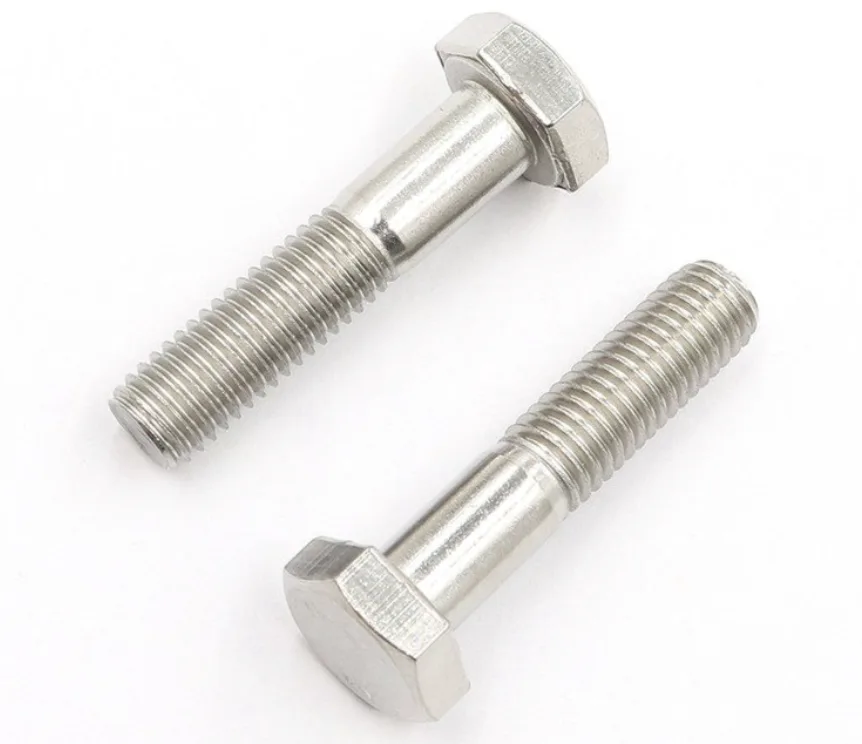
A4-80 partial-thread hex bolts, stainless anchor rods, deck screws, washers and lock nuts with passivated finish and controlled lubrication for railings, hatches, davits and cable supports.
316 / A4 stainless is the baseline for general deck use. Duplex is selected when load, chloride stress or long inspection intervals exceed ordinary A4 stainless confidence.
A corrosion-resistant bolt can still create staining and crevice attack if the washer seat or base plate traps seawater.
Oxygenated seawater, wet-dry cycling and coating damage
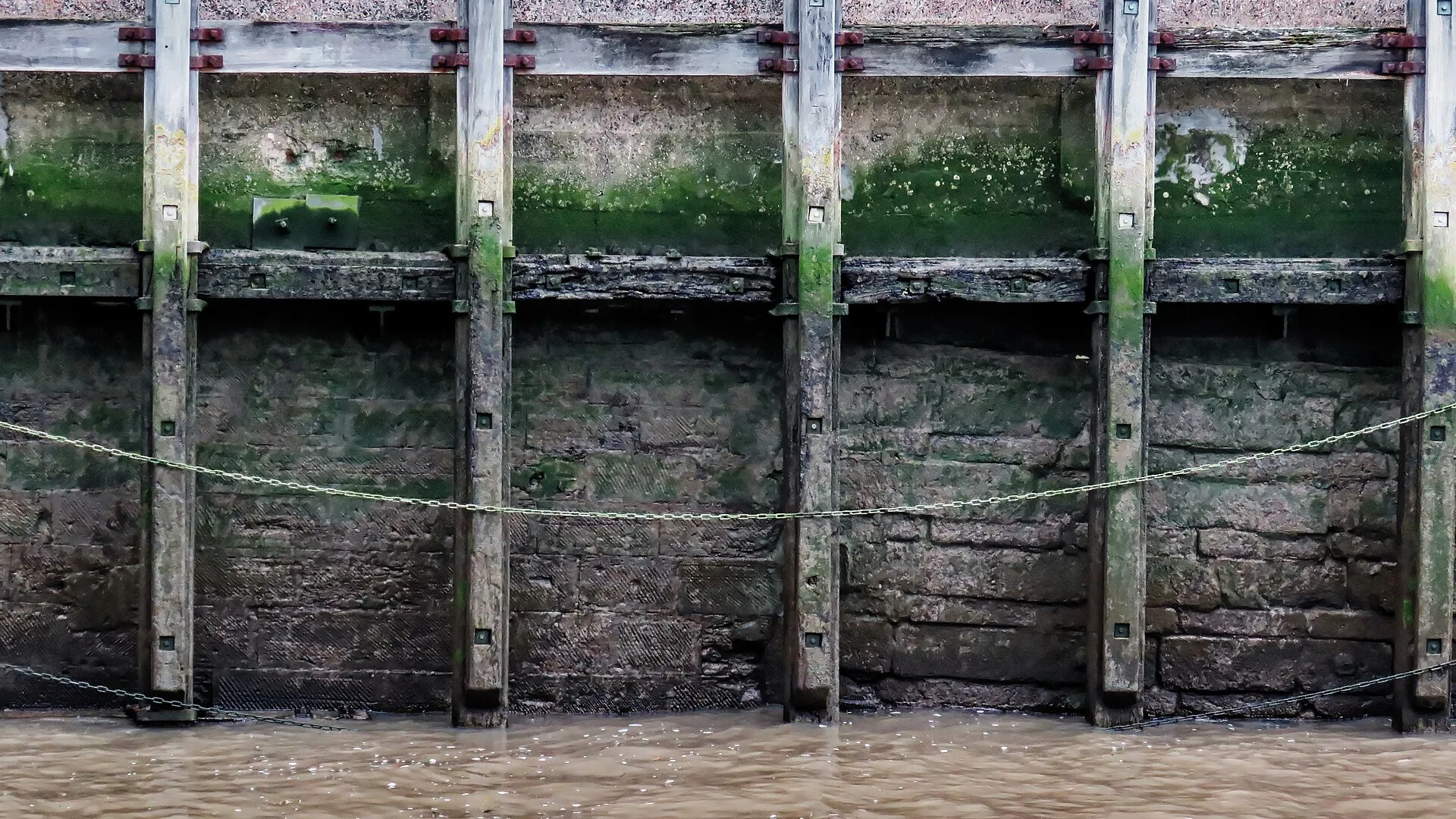
Wet-dry cycling, coating compatibility and isolation at damaged carbon steel interfaces.
The splash and tidal zone is often the most aggressive area because oxygenated seawater repeatedly wets, dries, concentrates salts and damages coatings.
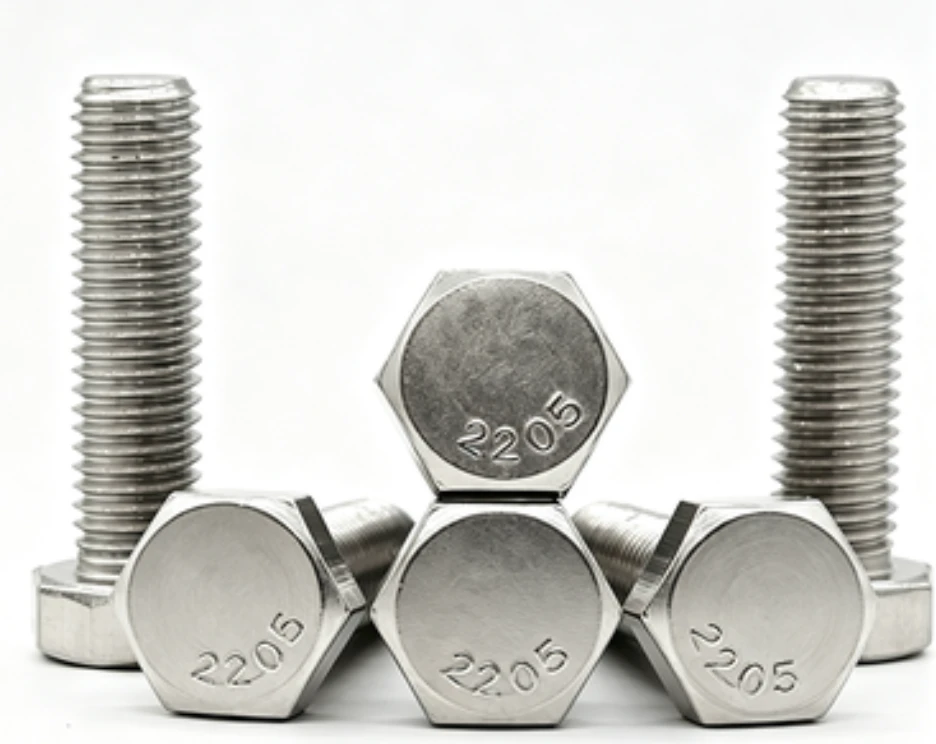
Duplex 2205 or super duplex 2507 hex bolts, matched nuts, flat washers and isolating components with controlled lubrication and coating-fit review for fenders, ladders and offshore access structures.
Duplex stainless is preferred where strength and chloride resistance are both required. Super duplex, nickel alloy or titanium may be justified for severe splash-zone exposure or long inspection intervals.
Small coating damage in a splash-zone joint can become a concentrated corrosion cell under the washer or nut face.
Crevice corrosion, galvanic couples and difficult inspection
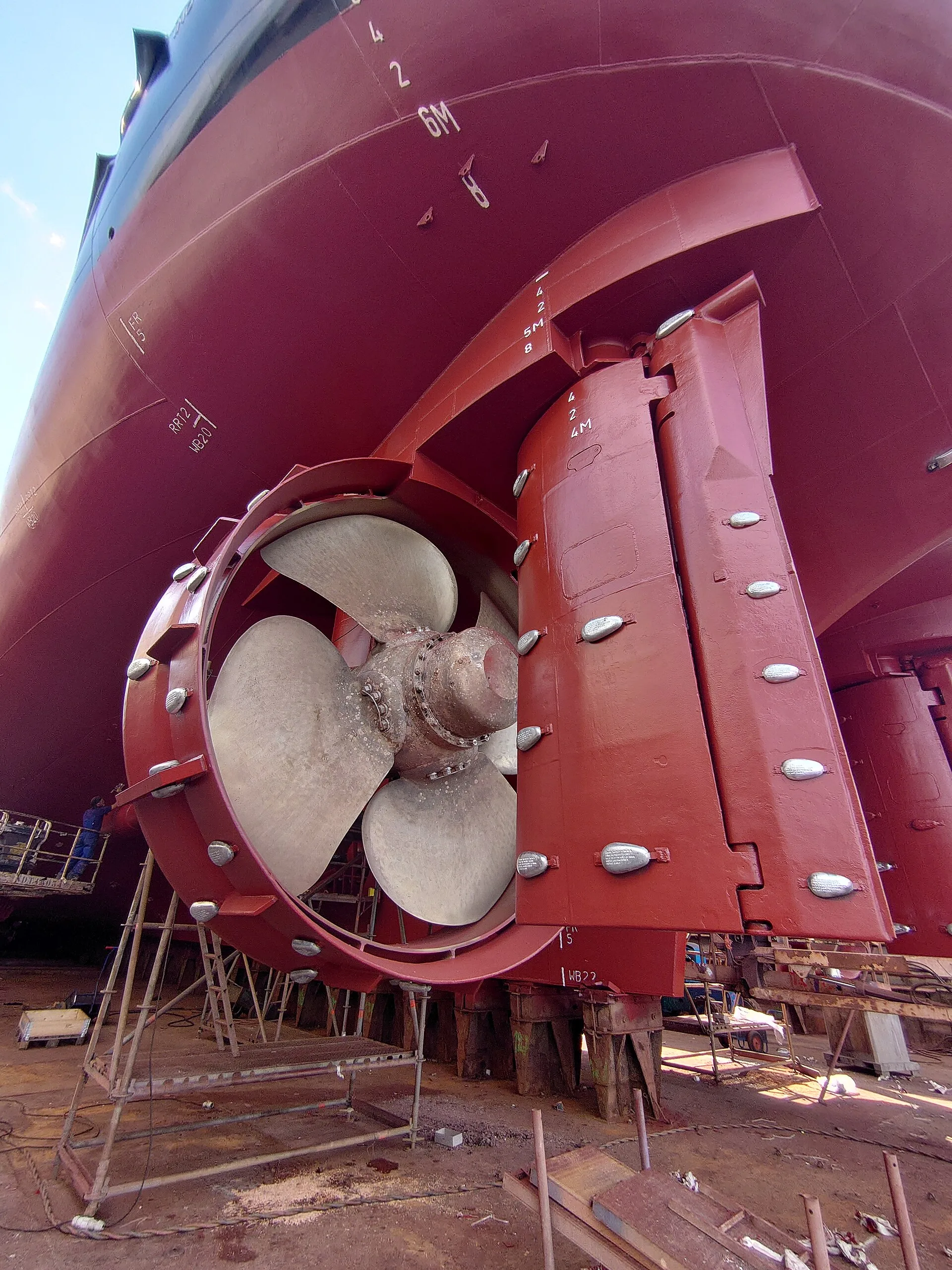
Low inspection access, cathodic-protection context, galvanic hierarchy and retrieval planning.
Submerged systems combine low inspection frequency, crevice conditions, galvanic couples, marine growth and possible cathodic protection effects.
Titanium Grade 2 / Grade 5, Inconel 625, Monel 400 or specified nickel alloy bolts, nuts and washers with isolation strategy reviewed against sea chests, intakes, shaft supports and underwater housings.
Titanium is highly resistant in seawater but must be checked for galvanic interaction. Nickel alloys are selected where seawater, mechanical load, chemicals or elevated temperature overlap.
Choosing the most noble alloy without isolation can accelerate corrosion of the surrounding less noble structure.
Recommended product families
Selection workflow
Dry internal, weather exposed, splash/tidal and submerged zones create different oxygen, chloride and inspection profiles.
Carbon steel, aluminum, stainless, bronze, composite and coated structures each create a different galvanic and crevice-corrosion risk.
Service panels, pump guards, deck bases and submerged supports need different head forms, thread engagement, locking and replacement strategies.
For critical lots, specify EN 10204 3.1 / 3.2 documents, PMI, passivation or coating records, heat traceability and project packing.
Specification format
Machinery room, weather deck, splash-zone support, submerged intake or accommodation module.
Dry / humid, salt spray, tidal wet-dry cycling, submerged seawater or cathodic-protection area.
Coated carbon steel, aluminum, stainless, bronze, composite or mixed-metal stack.
Bolt or screw head form, nut, washer, isolation component, material grade and thread standard.
Anti-galling lubricant, locking method, sealant, drainage detail, torque method and service access.
EN 10204 3.1 / 3.2, PMI, heat traceability, passivation or coating records and project kitting.
Weather deck / salt spray / coated steel base plate / A4-80 partial-thread hex bolts with A4 nuts and flat washers / passivated finish, anti-galling lubricant and drainage review / ISO 3506 or ASTM F593 material certificate with deck-level packing.
Tidal wet-dry zone / coated carbon-steel bracket / duplex 2205 or 2507 hex bolts with matched nuts and bearing washers / isolation stack where coating damage or mixed metal contact is expected / PMI, coating compatibility note and inspection-friendly packing.
Submerged seawater intake / cathodic-protection context / titanium or nickel alloy bolt, nut and washer stack / galvanic hierarchy and retrieval method reviewed before installation / alloy MTC, PMI and OEM drawing confirmation.
Material pairing
Material and surface route
Thread finish and lubricant selected for stainless, duplex, titanium and nickel alloy assemblies.
Fastener, washer, parent material, coating, sealant and cathodic-protection context checked together.
Assemblies packed by block, deck, vessel area, equipment base or maintenance work order.
MTC, PMI, heat number and corrosion documentation available for critical marine lots.
Head form, tool access, thread engagement and retrieval method reviewed before underwater or enclosed installation.
Failure modes to prevent
No. 316 / A4 is common for deck and general shipbuilding use, but splash-zone, submerged and high-load joints may need duplex, super duplex, titanium or nickel alloy fasteners.
Seawater is an electrolyte. A noble fastener can protect itself while accelerating corrosion of aluminum or carbon-steel parent material if the joint is not isolated.
For threaded stainless, duplex, titanium and nickel alloys, anti-galling lubrication or a controlled thread finish is usually necessary unless the project explicitly specifies another assembly method.
Use duplex when the joint combines high chloride exposure, higher mechanical load, splash-zone wet-dry cycling or long inspection intervals that make ordinary A4 stainless too marginal.
Common evidence includes EN 10204 3.1 or 3.2 certificates, heat traceability, PMI for duplex or nickel alloy lots, passivation or coating records and project packing lists.