Cleanability before strength margin
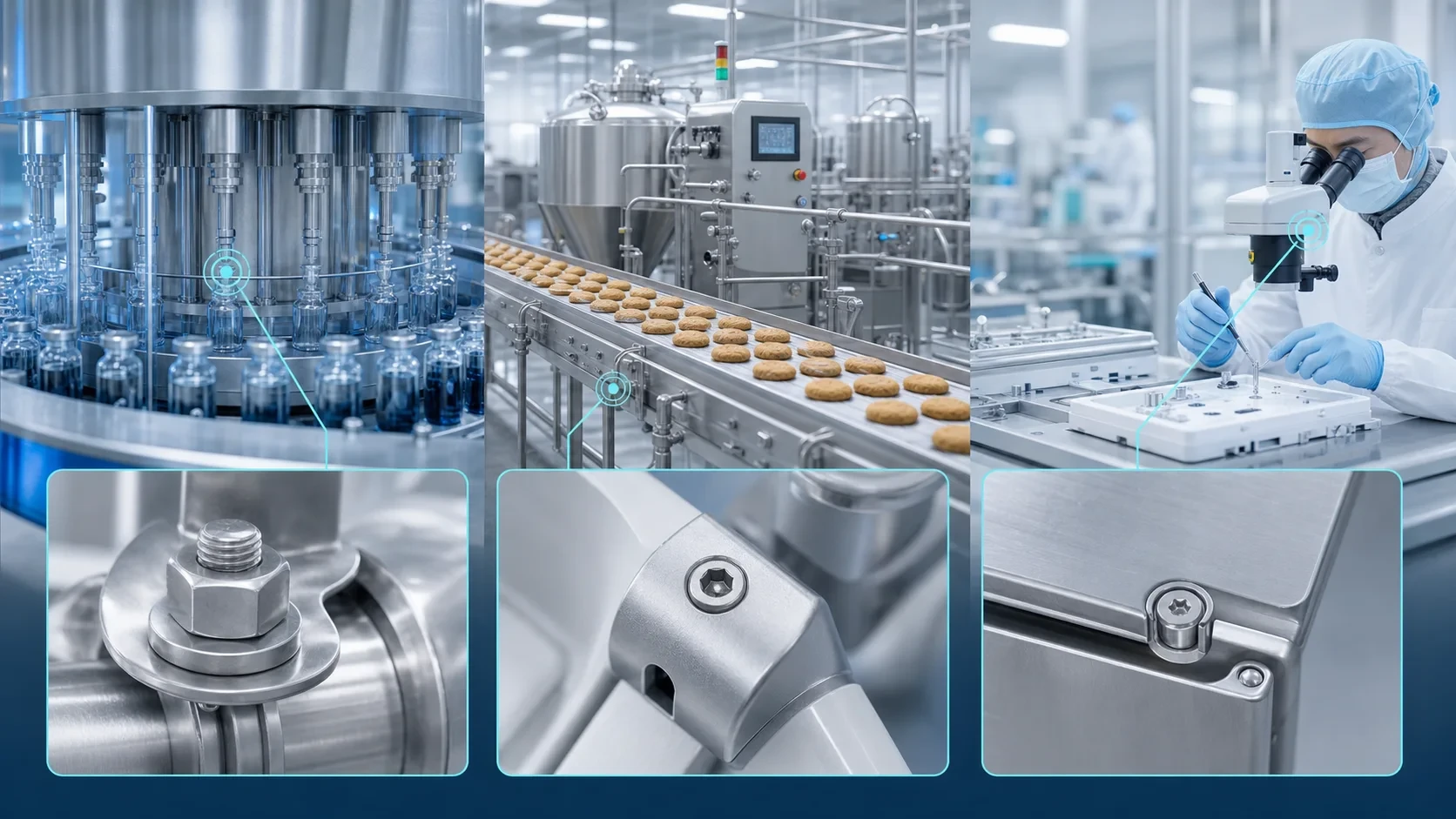
Food, pharmaceutical and medical equipment fasteners must not create hidden soil traps. Head shape, thread exposure, washer seating, surface roughness and drainability often decide suitability before bolt grade.
Hygienic fastening solutions
Hygienic fastening logic
Food, pharmaceutical and medical equipment fasteners must not create hidden soil traps. Head shape, thread exposure, washer seating, surface roughness and drainability often decide suitability before bolt grade.
Access guards and clean enclosures are opened repeatedly. Captive screws, retained washers and stable inserts reduce loose-part risk and keep maintenance repeatable.
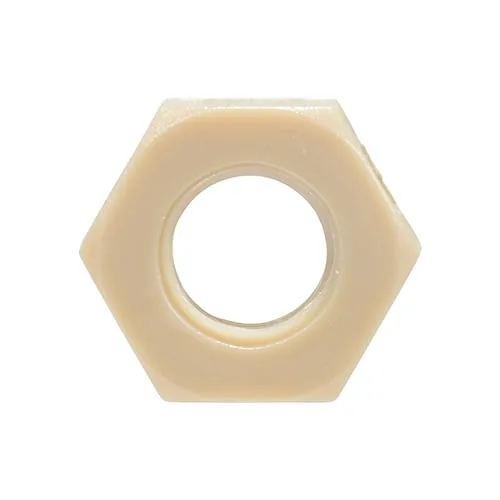
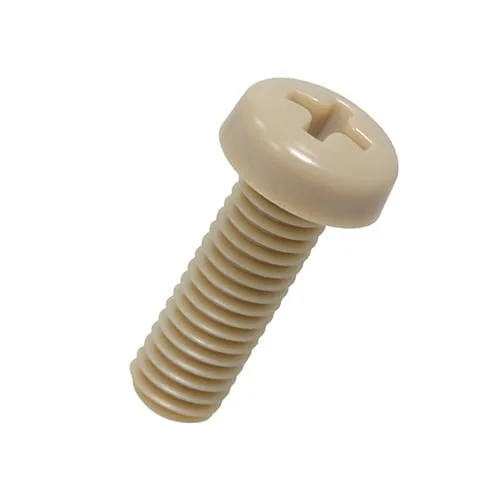
316L, A4 stainless, titanium, PEEK and PTFE solve different problems. Cleaning chemicals, chlorides, sterilization temperature and contact-zone rules determine the correct route.
Industry boundary
Hygiene zones
Smooth geometry, corrosion resistance and cleaning chemistry compatibility
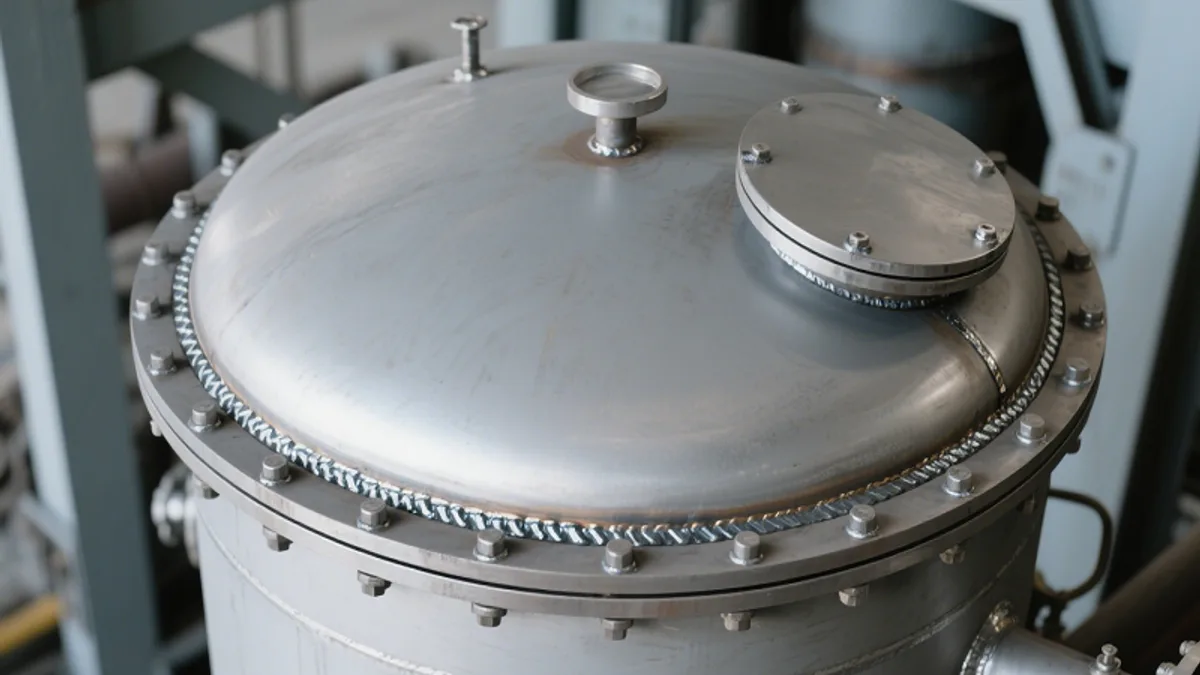
Show exposed food or pharma contact areas where residue, thread traps and cleaning chemistry drive the fastener decision.
Product-contact equipment is the most sensitive boundary: exposed hardware should avoid crevices, rough surfaces, corrosion sites, dead legs and thread traps that retain product or cleaning residue.
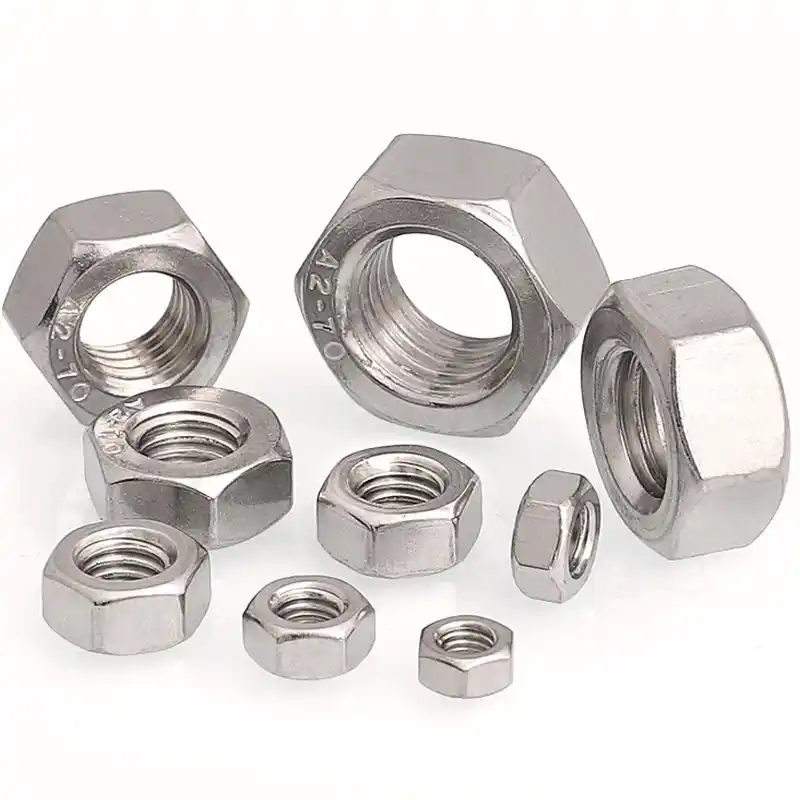
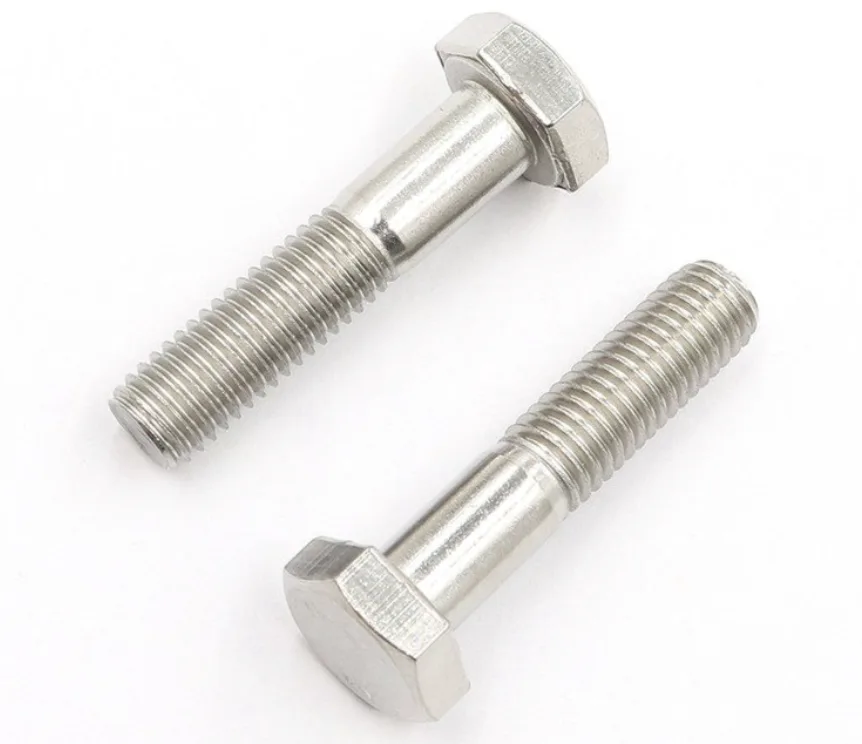
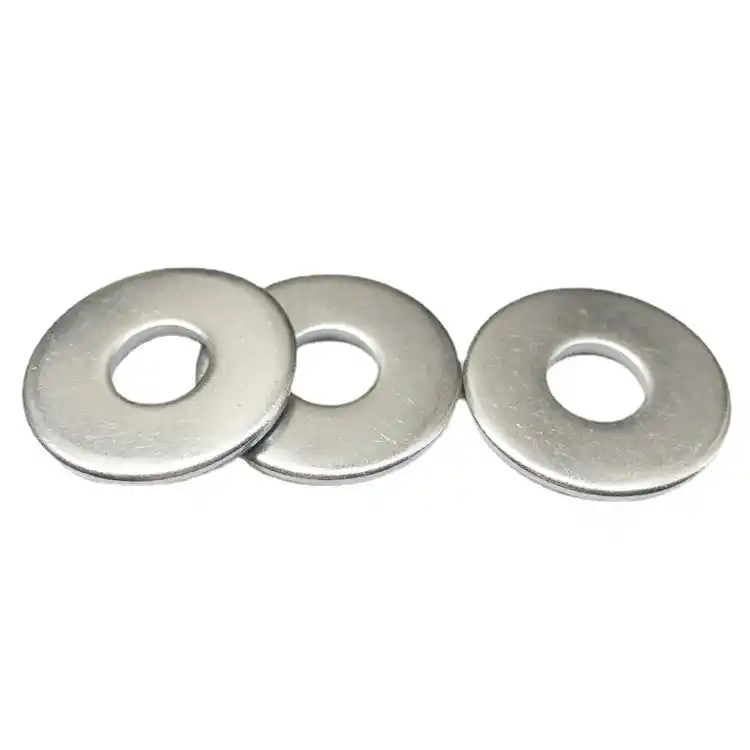
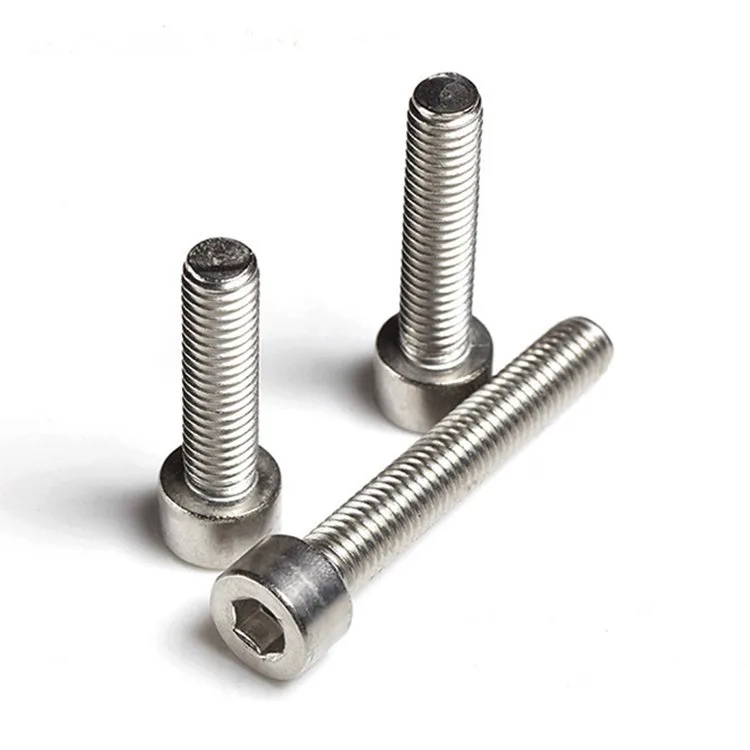
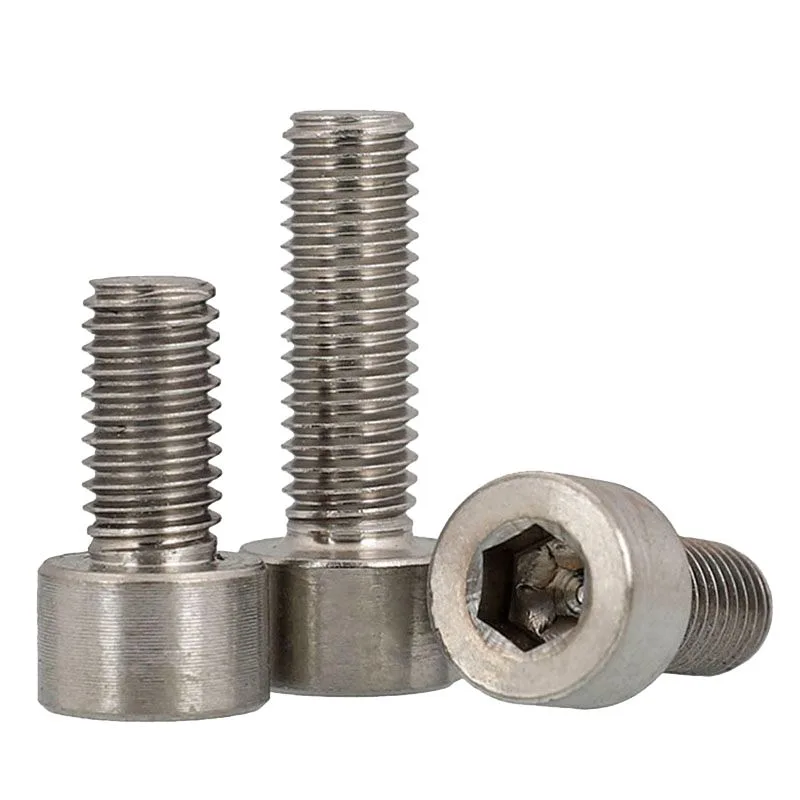
Electropolished or passivated A4 / 316L stainless low-crevice bolts, domed or flush screws, capped nuts and washers only where the joint can be cleaned, drained and visually inspected.
316L / A4 stainless is the baseline for sanitary and washdown equipment. Duplex is considered only when chloride cleaning is severe and the geometry can still remain hygienic.
A technically strong fastener can be rejected if the head, washer or exposed thread creates a contamination trap.
Recommended product families
Captive service, low particle generation and repeatable reassembly
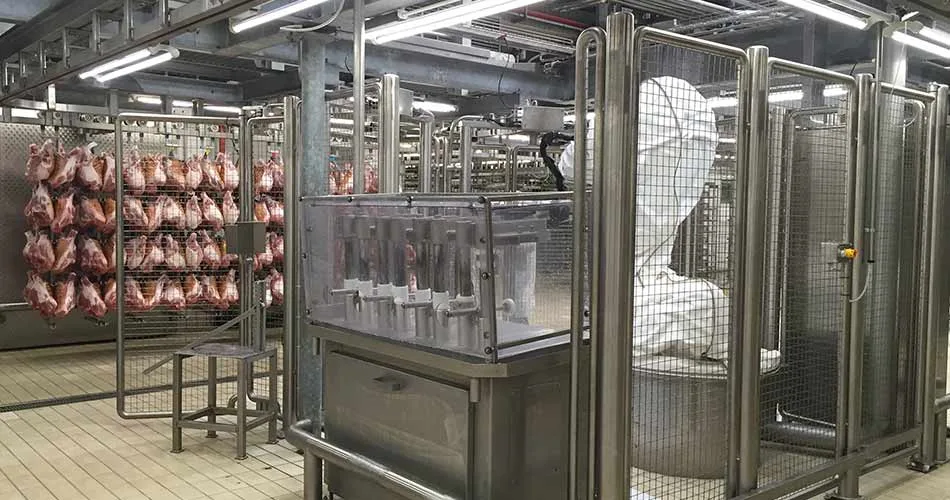
Show repeated access points where dropped screws, damaged recesses and particle generation matter more than high strength.
Clean guards and enclosures sit near process zones but are removed often, so captive service, particle control and repeatable reassembly are more important than extreme mechanical strength.
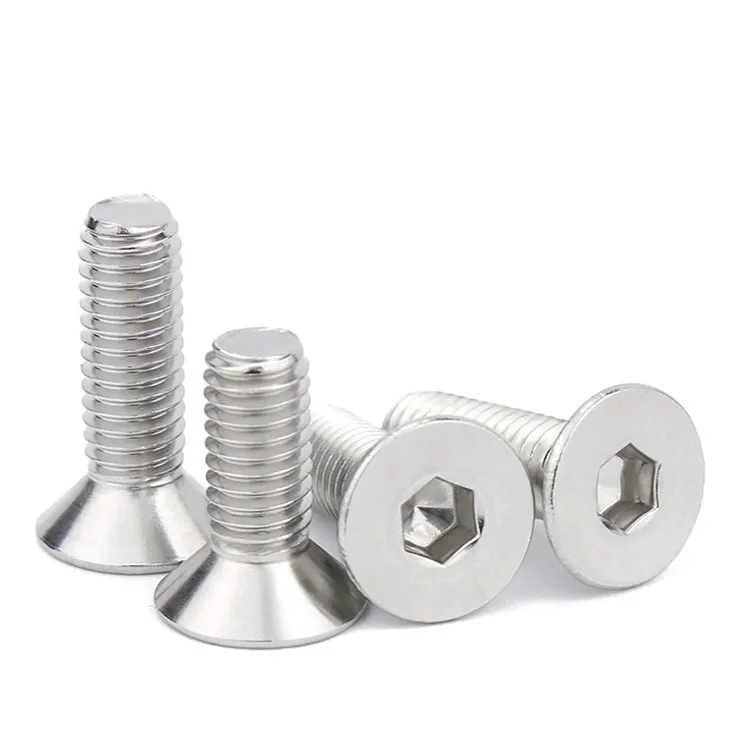
Stainless countersunk screws, captive panel screws, rivet nuts, cage nuts and retained washers with smooth heads, controlled removal behavior and minimal recess damage.
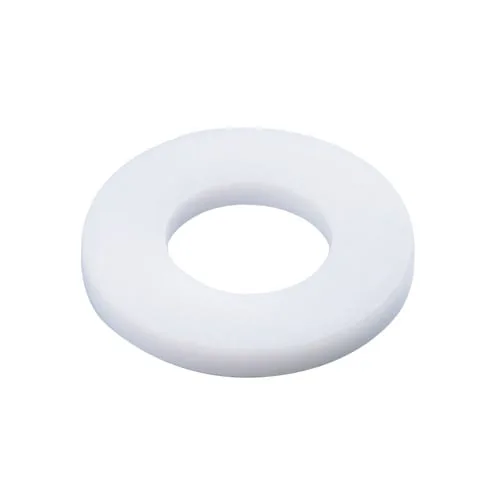
A2 / A4 stainless is typical. Polymer washers or inserts can be used where vibration, noise, insulation or panel protection matters, but contact-zone rules still control.
Loose screws from frequently opened guards can become a foreign-material risk even when the material grade is correct.
Recommended product families
Small size, low mass and high biocompatibility where specified
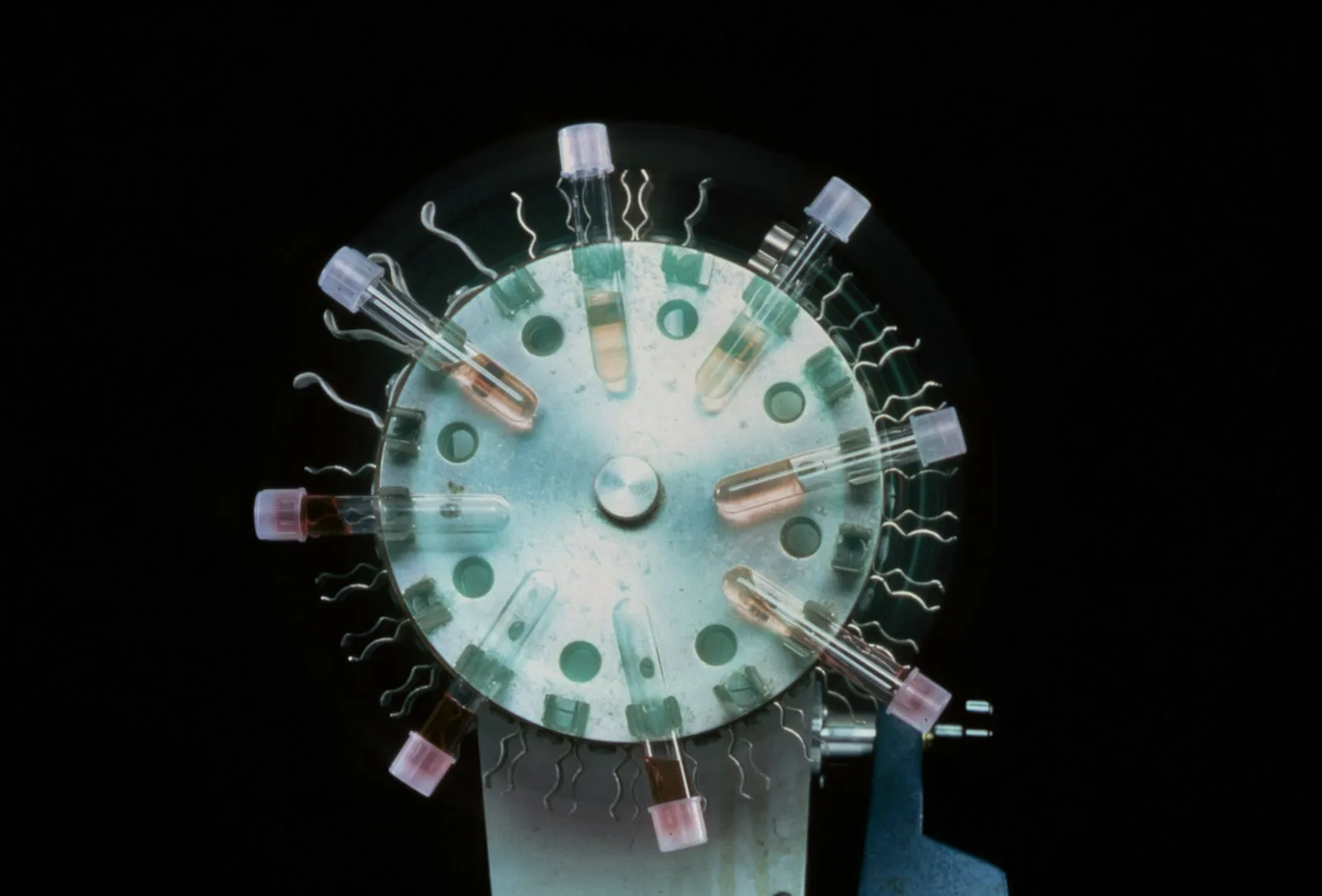
Show small fasteners where burr control, magnetism, driver recess depth and device-specific documentation define the requirement.
Precision instruments need small fasteners with stable dimensions, low mass and controlled material behavior; biocompatibility only applies when the fastener is part of a regulated contact path.
Titanium micro screws, stainless micro screws, miniature nuts and washers produced to drawing or DIN / ISO miniature standards where available.
Titanium Grade 2 / Grade 5, A2 / A4 stainless and non-magnetic alloys are selected by weight, magnetism, corrosion, burr control and device-specific documentation needs.
Calling every instrument screw “medical grade” is misleading; the drawing and regulatory boundary decide the real requirement.
Recommended product families
No water traps, chemical durability and easy visual inspection
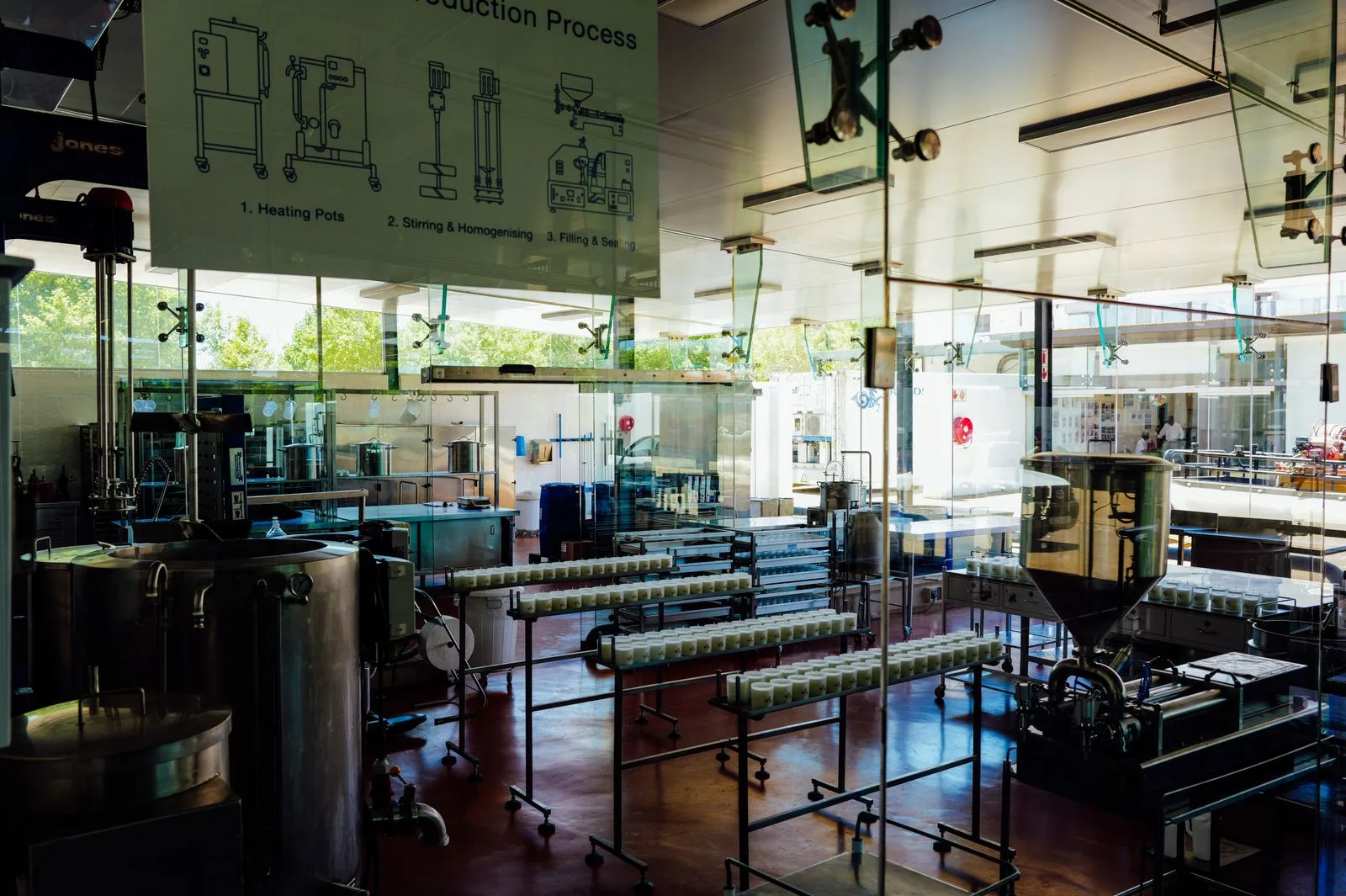
Show non-contact washdown areas where water jets, caustic foam, acids, chlorides and temperature limits shape the selection.
Washdown frames and conveyors are outside the direct product path but are exposed to water jets, alkaline foam, acidic rinse, chlorides, heat and visual inspection requirements.
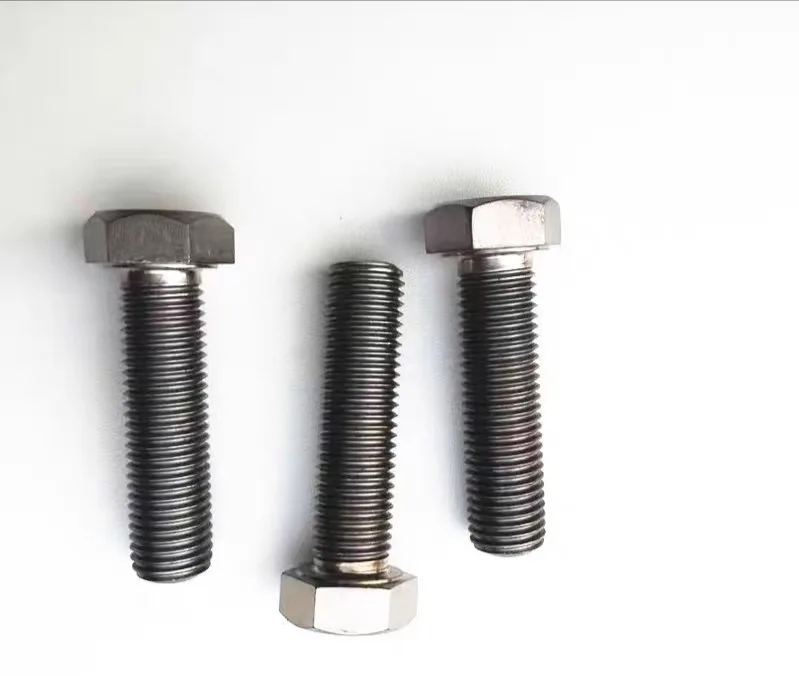
A4 stainless hex bolts, socket screws, sealed nuts, standoffs, PEEK or PTFE fasteners and isolation washers selected by chemical, temperature and load exposure.
316 / A4 stainless covers most washdown structures. PEEK / PTFE are used for chemical resistance, electrical isolation or weight-sensitive equipment but must be checked for creep and load.
Polymer fasteners solve chemical exposure but should not be used as structural substitutes without load and temperature review.
Recommended product families
Specification format
Product contact, near-contact guard, clean enclosure, precision instrument or washdown support.
Direct food/product contact, indirect splash, non-contact maintenance area or regulated medical device path.
CIP/SIP, caustic foam, acidic rinse, chloride sanitizer, steam, alcohol wipe or dry cleanroom service.
Head form, exposed thread length, washer use, capped ends, captive retention and drainability.
Passivated, electropolished, deburred, smooth molded polymer or drawing-defined roughness target.
MTC, CoC, PMI when relevant, lot traceability, surface note, clean packing and drawing inspection.
Product-contact zone / direct splash and residue risk / alkaline CIP plus chloride sanitizer / electropolished A4 or 316L low-crevice bolt, capped nut and cleanable washer seat / passivation or electropolish note with lot traceability.
Clean enclosure boundary / non-product-contact maintenance panel / alcohol wipe and periodic washdown / captive countersunk stainless screws with retained washers / CoC, clean packing and panel-level kitting.
Precision instrument boundary / regulated contact path reviewed by drawing / low-particle assembly / titanium or A4 micro screws with controlled recess depth and burr limits / dimensional report and material declaration.
Design for cleaning
Passivation, polished options and controlled handling for corrosion resistance.
Low-profile heads, capped ends and minimal crevices where hygiene demands.
Captive or retained hardware reduces dropped parts during maintenance.
Clean, lot-controlled packing with certificates and inspection records.
Failure modes to prevent
No. Stainless helps corrosion resistance, but hygienic suitability also depends on head form, exposed threads, cleanability, surface condition, captive design and documentation.
Use them for chemical resistance, electrical isolation or lightweight non-metallic requirements, but verify load, creep, temperature and cleaning chemistry before replacing metal hardware.
No. Titanium is useful for low weight, corrosion resistance, non-magnetic or device-specific needs, but many enclosures and washdown frames are better served by A2/A4 stainless.
No. Electropolishing is useful for product-contact or corrosion-sensitive sanitary hardware, but passivation and good geometry may be enough for many guards and non-contact frames.
At minimum: contact status, cleaning chemistry, temperature, parent material, head form, exposed thread allowance, service frequency and required documentation.