01Descripción del producto
Descripción del producto y especificaciones clave
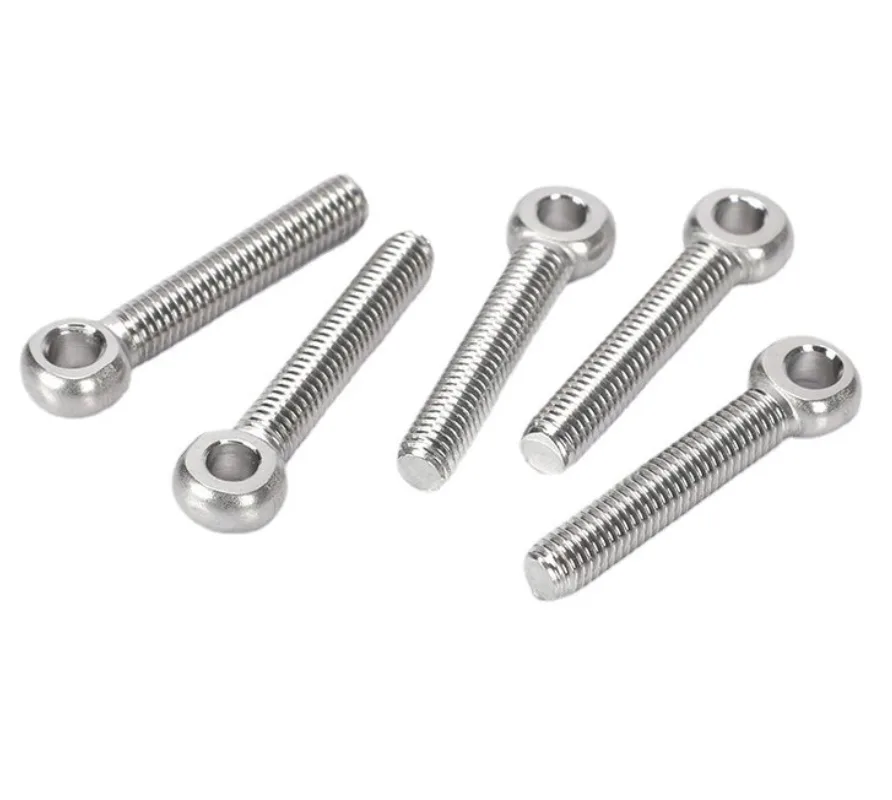
DIN 444 swing bolts, also known as swing eye bolts or pivot eye bolts, combine a circular eye with a metric threaded shank. A pin through the eye creates a pivoting connection for swing clamps, hinged covers, machine guards, adjustable fixtures and tensioning assemblies.
DIN 444-1983 describes Type A, B and C eye forms, including large-eye variants. The available Type A dimensional reference spans M5-M39; bracketed sizes such as M27, M33 and M39 are non-preferred. Eye diameter, eye thickness, shank length and threaded length vary by type and size, so Type A dimensions must not be reused for Type B, Type C or large-eye designs without checking their drawings.
Market options include carbon steel, alloy steel and A2/A4 stainless steel, with property classes such as 4.6, 5.8 and 8.8 for steel and A2-70/A4-70 for stainless steel. Plain, electro-zinc-plated oxide, phosphate and hot-dip-galvanized steel finishes and passivated stainless finishes address different environments; not every grade, dimension and coating combination is interchangeable.
DIN 444 swing bolts are fasteners for hinged or clamping joints, not DIN 580 lifting eye bolts. The DIN 444 designation does not provide a working load limit or lifting certification.
| Product type | Swing bolt / swing eye bolt / pivot eye bolt |
|---|
| Dimensional standard | DIN 444-1983; eye form and edition identified on the drawing |
|---|
| Eye forms | Type A / Type B / Type C; standard-eye and large-eye variants |
|---|
| Metric size range | M5-M39 in the Type A dimensional reference; other forms checked separately |
|---|
| Thread | Metric external thread; pitch and threaded length vary by size |
|---|
| Carbon and alloy steel classes | 4.6 / 5.8 / 8.8 commercial options |
|---|
| Stainless steel grades | A2 / 304 and A4 / 316; A2-70 / A4-70 options |
|---|
| Steel surface finishes | Plain / zinc plated / black oxide / phosphate / hot dip galvanized |
|---|
| Stainless surface finish | Natural / passivated |
|---|
| Critical dimensions | Thread diameter d, pitch P, length L, threaded length b, eye bore d1, outer eye diameter dk and eye thickness s |
|---|
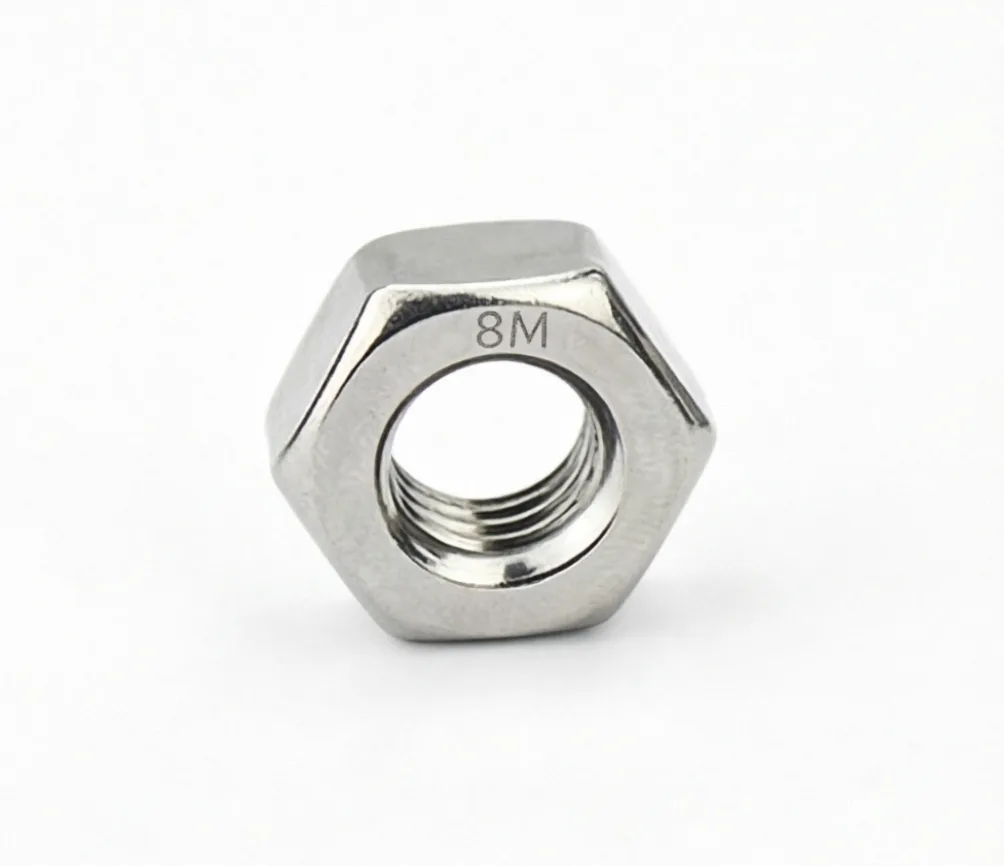
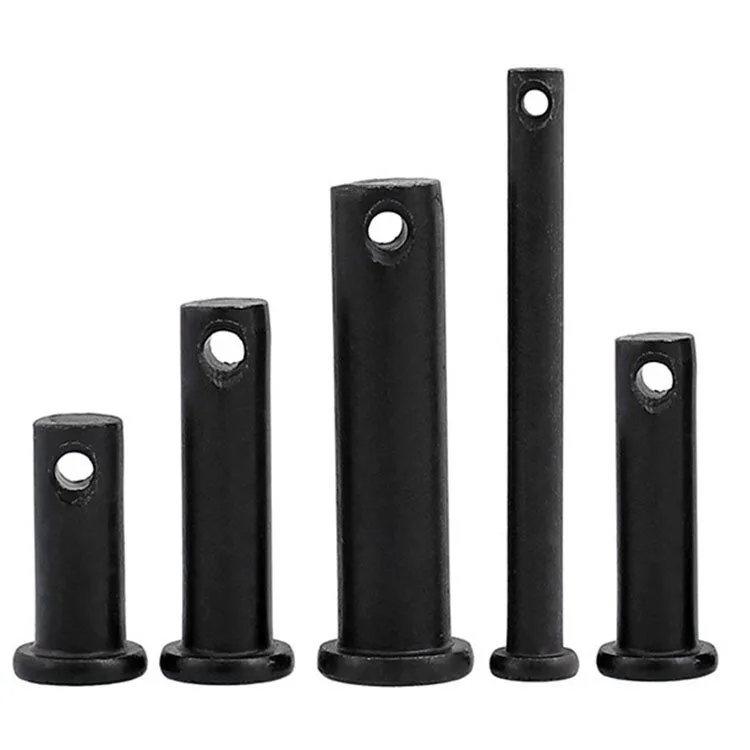
| Matching hardware | Pivot pin and metric nut sized for the joint; specified separately |
|---|
| Lifting use | No lifting load rating implied; DIN 580 is a separate lifting-eye standard |
|---|
02Fabricación
Fabricación y control de calidad
Capacidad de fabricaciónControl de calidad
Type A, B, C or large-eye form and shank geometryInspect eye bore, outside diameter, thickness, shank diameter and overall length
Metric external threadGauge thread diameter and pitch; inspect threaded length
Steel or stainless steel with compatible finishVerify specified material, property class and coating or passivation
03Selección
Ventajas de selección por aplicación
Hinged machine connections
A pin through the eye lets a clamp, cover or guard swing open and close. Pin diameter, eye clearance and loading direction must suit the joint design.
Industrial equipment fasteners04Montaje
Productos compatibles recomendados
05FAQ
Preguntas frecuentes antes del RFQ
Is a DIN 444 swing bolt suitable for lifting?
Do not treat DIN 444 as a lifting rating. A lifting application needs a separately approved design, testing and stated working load limit; DIN 580 is a different product standard.
What is the difference between DIN 444 Type A, B and C?
They are distinct eye-form designs within the DIN 444 family; large-eye variants also exist. Select the exact type and use its corresponding dimensional drawing rather than assuming the types are interchangeable.
Which materials and finishes are used for DIN 444 swing bolts?
Commercial options include carbon or alloy steel in classes 4.6, 5.8 and 8.8, plus A2/304 or A4/316 stainless steel. Steel may be plain, zinc plated oxide, phosphated or hot-dip galvanized; stainless steel may be natural or passivated. Check the grade, size and finish combination for the application.
Are the pin and nut included?
No. A compatible pin and metric nut are separate components and should be listed explicitly when a complete joint is required.
What information is needed for a quotation?
State Type A, B or C, standard or large eye, thread size and pitch, bolt and threaded lengths, eye and pin dimensions, material, property class, finish and quantity.