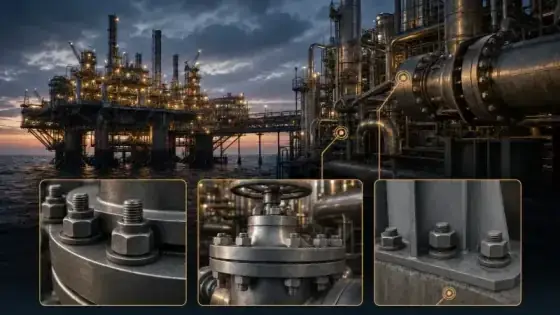
Oil gas and petrochemical critical bolting applications
Oil, gas & petrochemical fasteners

Oil, Gas & Petrochemical Fasteners for Critical Bolting Systems

Protect the pressure boundary. Critical bolting for sour service, high pressure, elevated temperature, LNG and corrosive process environments.

NACE / ISO 15156 context

ASTM A193 / A194

PMI & MTC support

Turnaround-ready kits

Severe-service fastening logic

Every oil and gas fastener choice must protect containment, corrosion margin and shutdown timing.

Start with the pressure boundary

Oil, gas and petrochemical bolting is selected around containment risk: pressure class, design temperature, gasket behavior, medium chemistry and inspection access decide the stud, nut, washer, coating and lubricant combination.

Treat corrosion as a design input

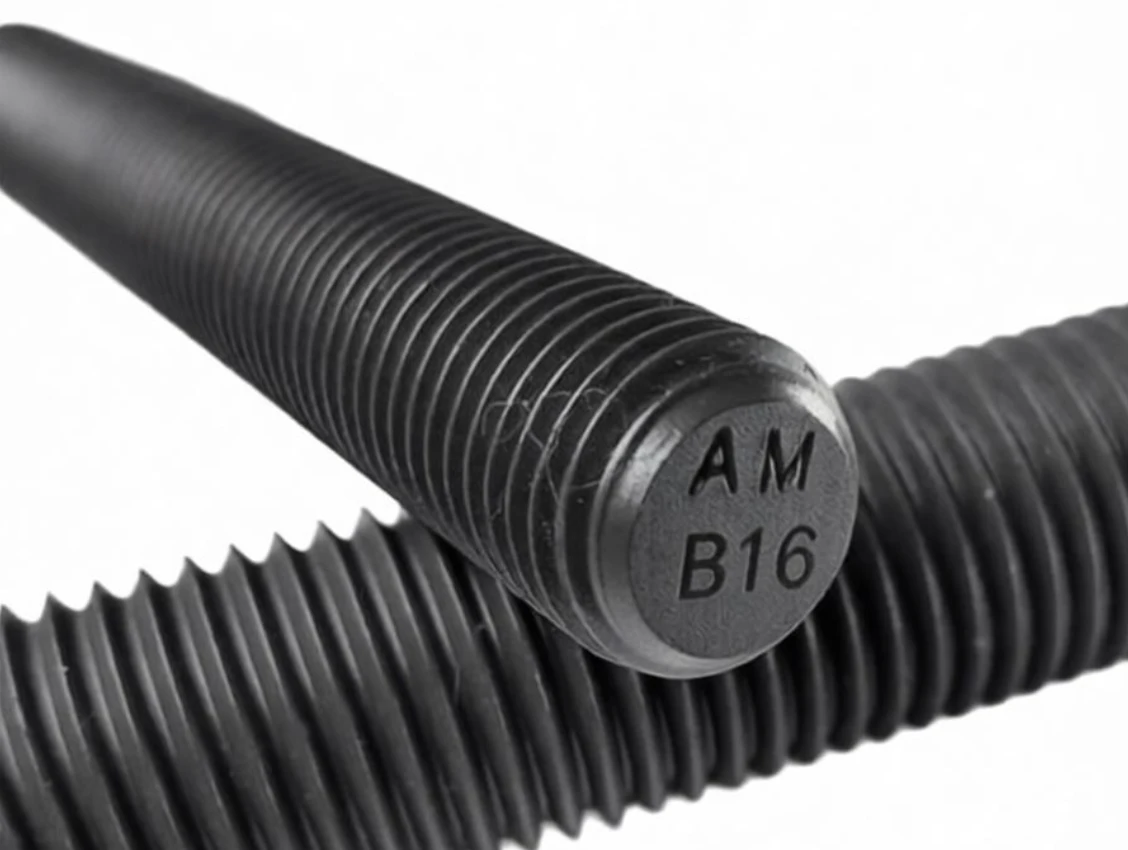
Sour service, chlorides, seawater splash, caustic media and high-temperature oxidation require different material routes. A193 B7, B7M, B8M, B16 and nickel alloys should not be treated as interchangeable upgrades.

Package by flange tag and outage sequence

Turnaround work succeeds when every flange set arrives with the correct stud length, nut grade, washer rule, coating condition, lubricant note, tightening method and heat-traceable documents already tied to the line list.

Pressure envelope map

The alloy, coating and nut pairing change with every service boundary.

01

Upstream & offshore

Exposure
Salt spray, splash zone, sour service and restricted access
Critical joints
Wellhead, manifold, riser support and platform steelwork
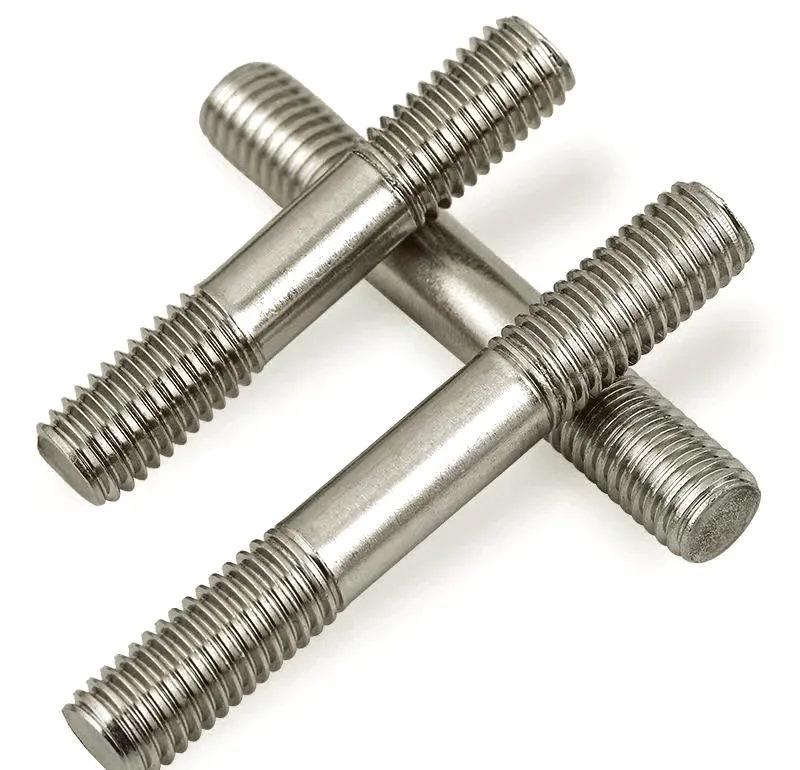
Recommended seriesSour Service Nickel Alloy Stud Bolt Set ↗
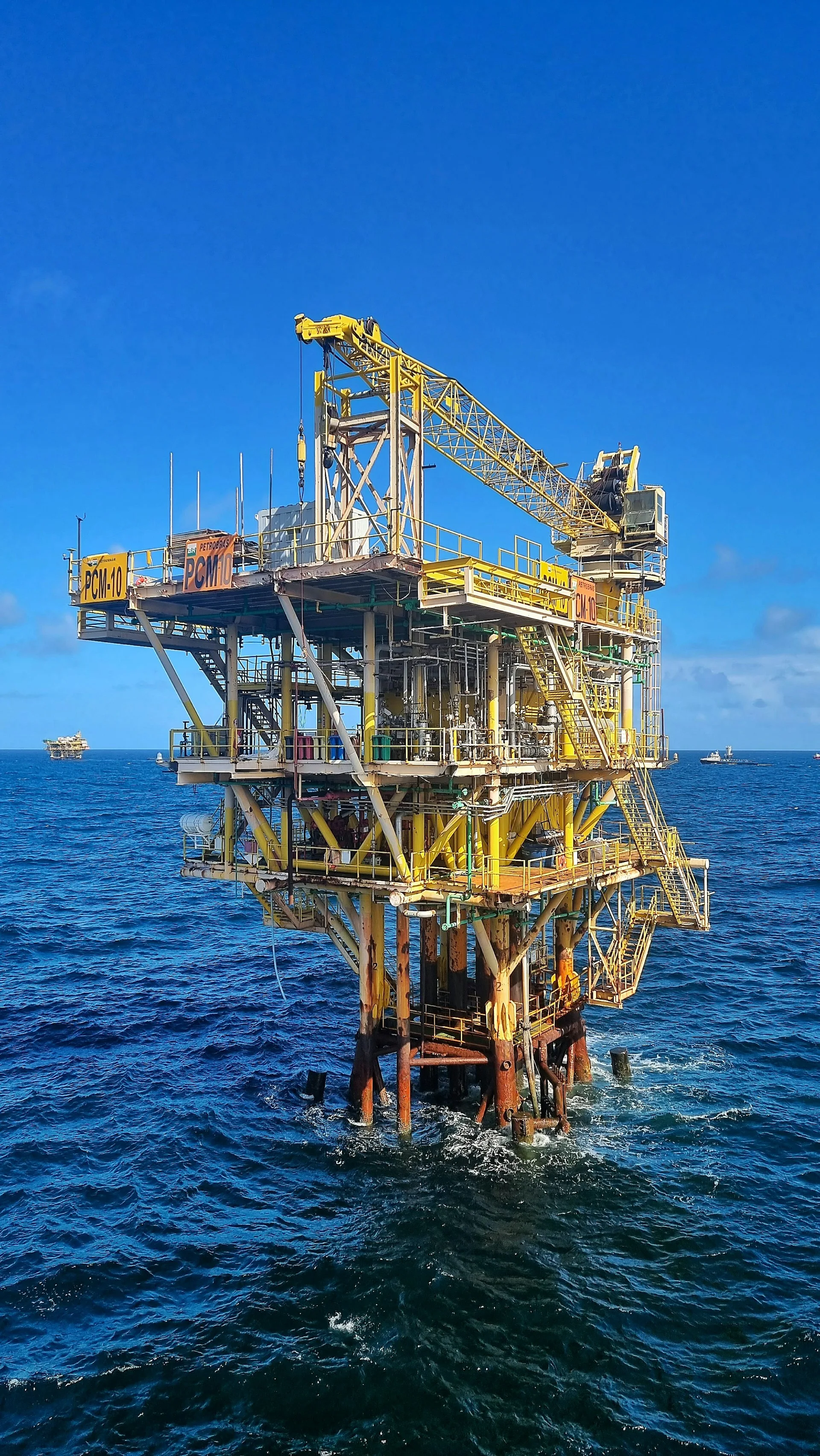
Offshore oil platform and subsea production equipment in open water
Damage mechanism

Salt spray, splash-zone wet/dry cycling, H2S exposure and limited maintenance access make corrosion control and hardness discipline more important than a simple strength upgrade.

Recommended assembly

Sour-service stud bolts with ASTM A194 compatible heavy hex nuts, corrosion-resistant washers where specified, and PTFE, Xylan-style or zinc-flake coating selected by operator approval list.

Material boundary

Where controlled-hardness bolting is specified, B7M belongs to the ASTM A193 service route and L7M to the ASTM A320 low-temperature route. Neither grade name alone proves sour-service compliance; confirm the actual H2S environment, temperature and project standard.

Installation checks
  • Apply NACE MR0175 / ISO 15156 for upstream production or NACE MR0103 / ISO 17945 for refinery service where the project invokes them
  • Confirm coating system is compatible with subsea or splash-zone service
  • Avoid stainless-carbon contact traps that create crevice corrosion
  • Define anti-galling practice for stainless, duplex and nickel alloy threads
Document setMTC with heat traceabilityPMI report when alloy positive identification is requiredHardness and coating certificateOperator-approved coating / lubricant note
Field risk

A corrosion-resistant alloy can still fail if nut material, galling control and coating friction are not specified together.

02

Process piping

Exposure
Pressure cycling, gasket relaxation and hot hydrocarbon service
Critical joints
ASME flanges, valve bonnets and compressor piping
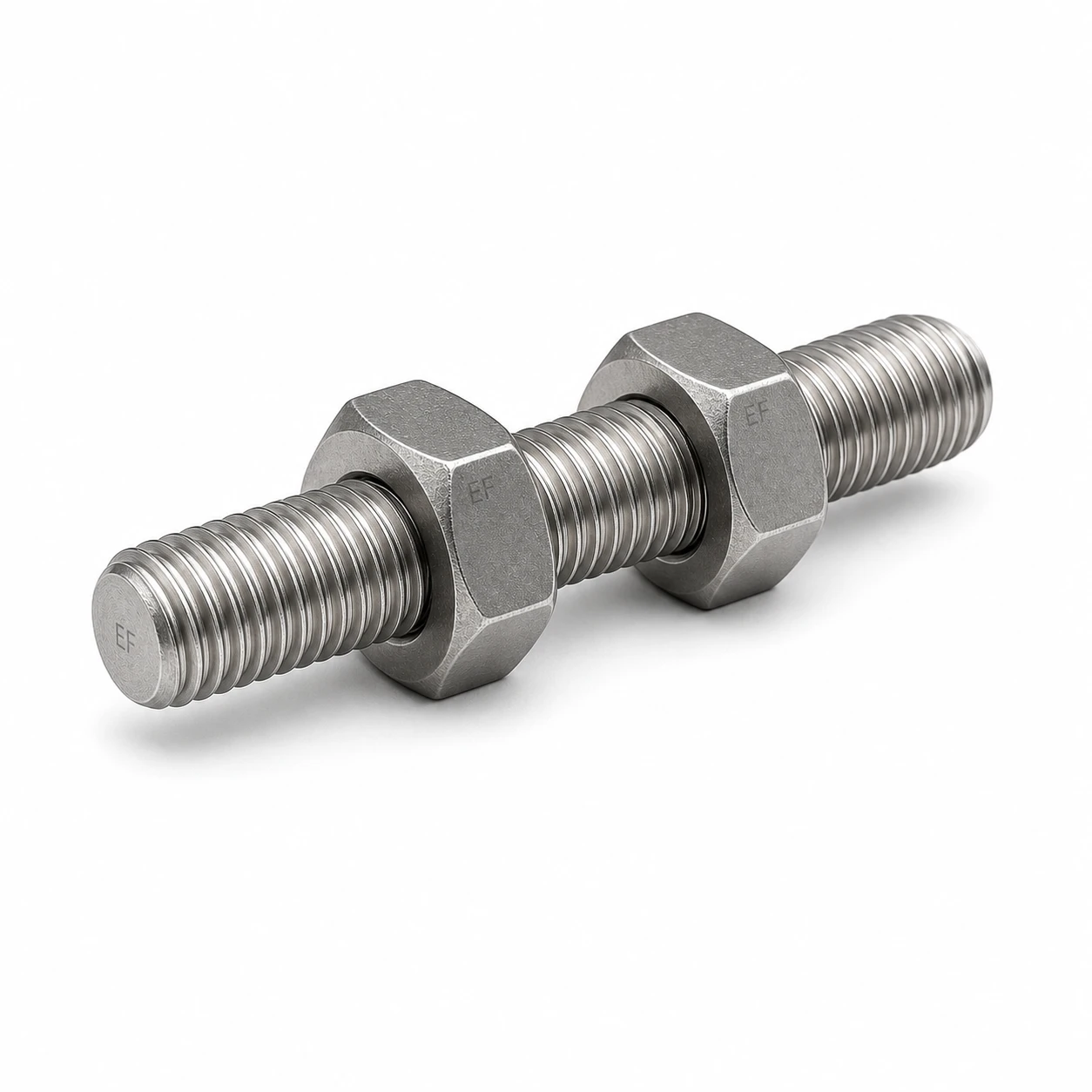
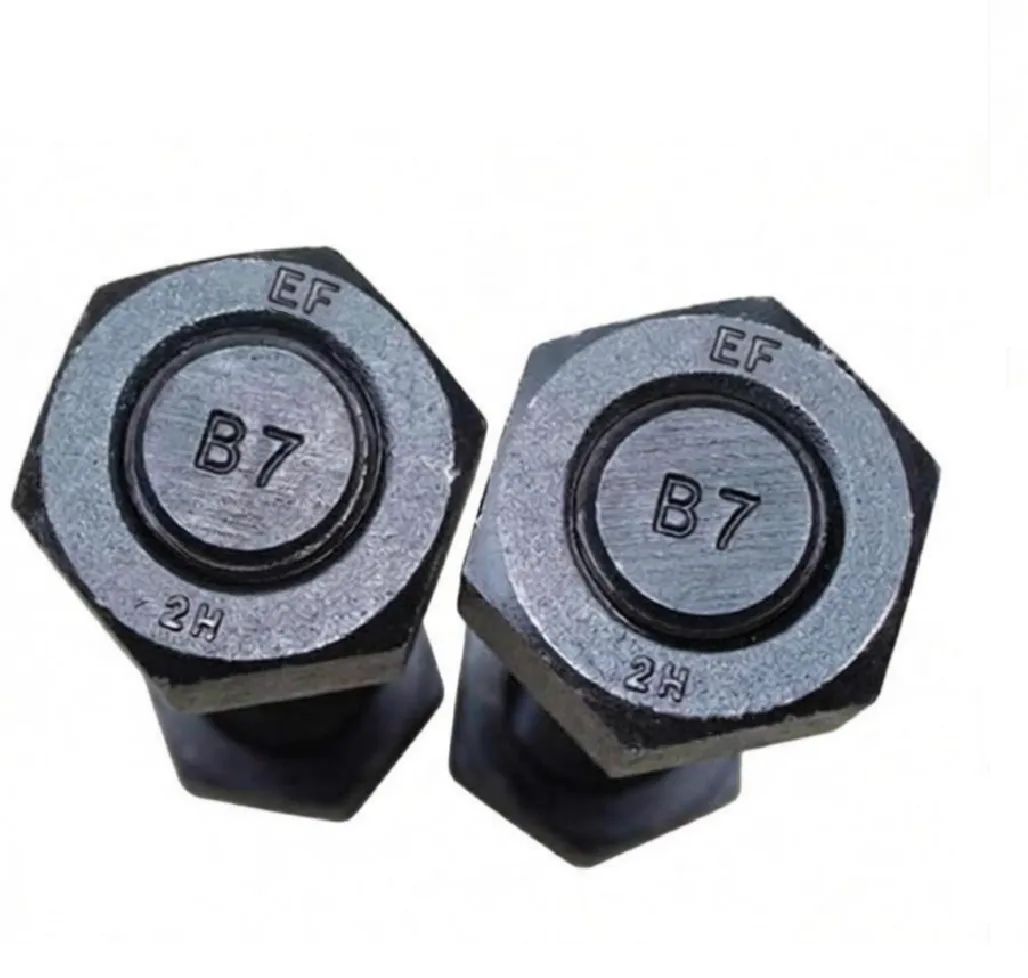
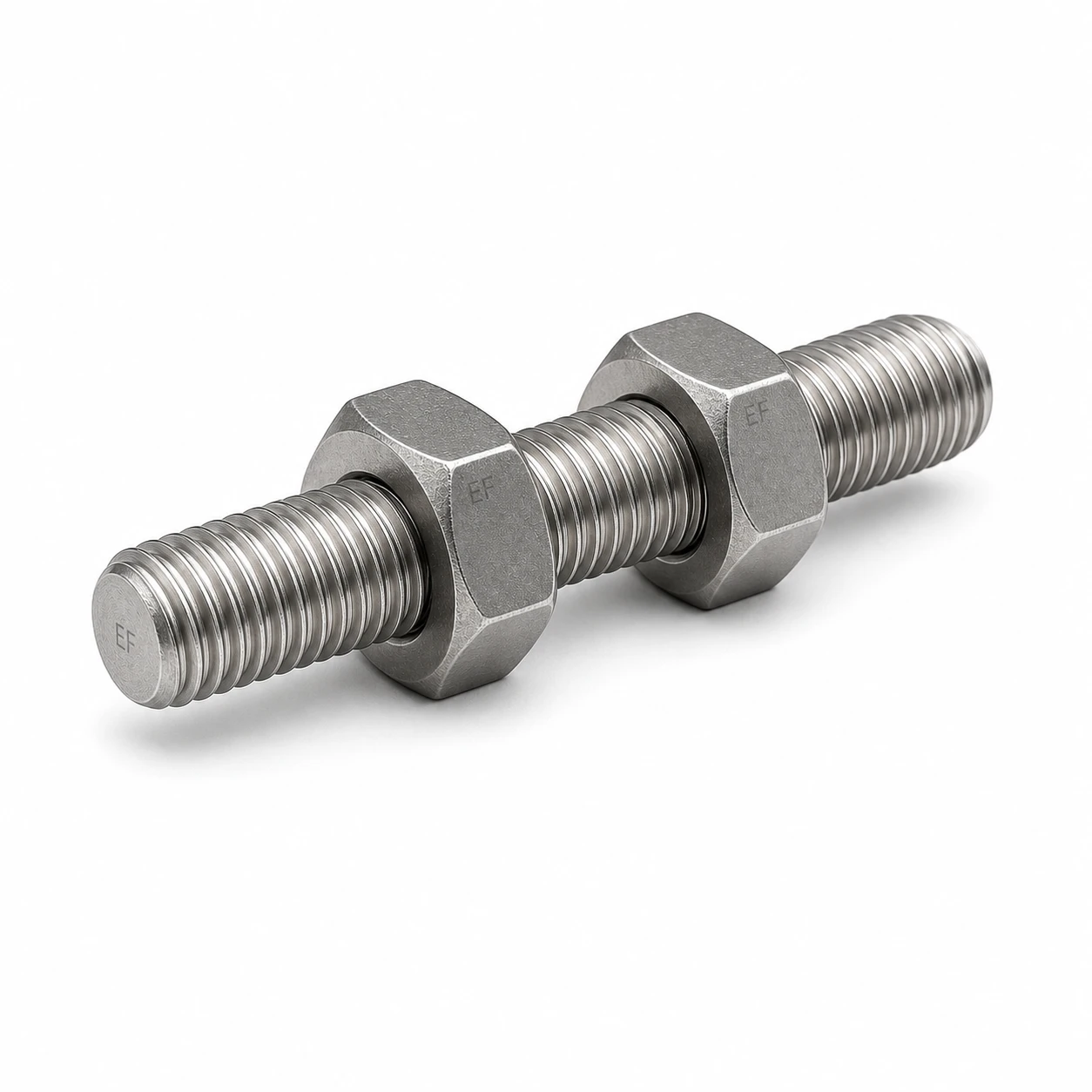
Recommended seriesA193 B7 Stud Bolt & ASTM A194 Heavy Hex Nut Assembly ↗
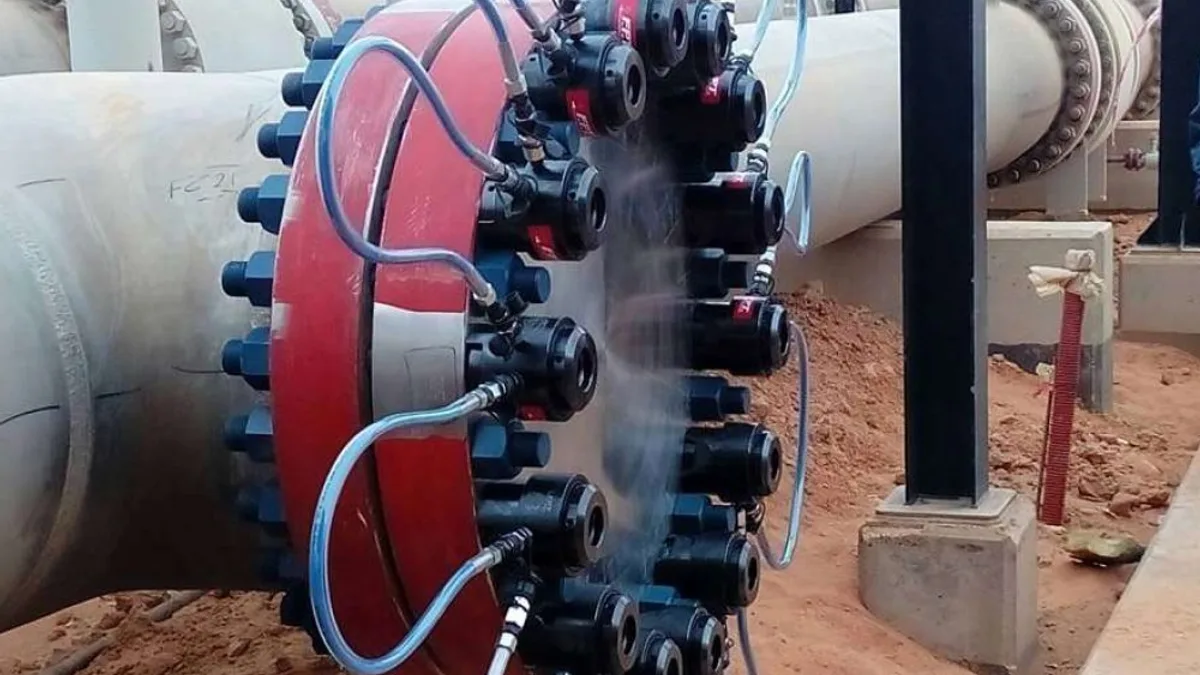
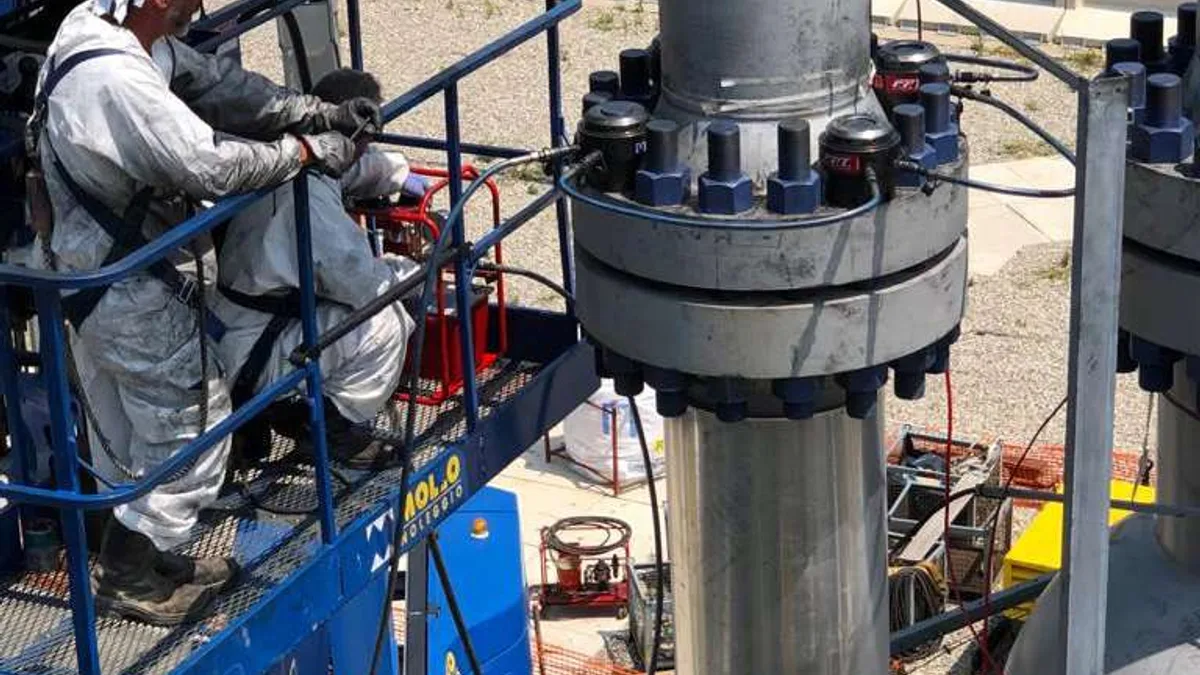
Hydraulic bolt tensioning on a large-diameter process piping flange
Damage mechanism

Process piping flange joints are sensitive to gasket relaxation, thermal cycling, vibration and friction variation between coated studs and nuts.

Recommended assembly

Use the project-approved grade pairing: ASTM A193 B7 with A194 2H, B7M with 2HM, or B16 with a compatible high-temperature nut such as A194 7 where specified. Add hardened washers only where the flange procedure requires them, with an approved lubricant or fluoropolymer coating.

Material boundary

B7 remains the common refinery and petrochemical workhorse; B16 is used when sustained high temperature requires better creep and relaxation resistance.

Installation checks
  • Check ASME pressure class and stud length before kitting
  • Match coating friction to torque, torque-angle or bolt-tensioning procedure
  • Keep nut grade and thread fit aligned with the stud grade
  • Confirm stud projection, gasket seating stress and flange sequence are not changed by substitutions
Document setFlange-tag packing listTensile and hardness reportCoating thickness / friction condition noteLine-class and flange schedule cross-check
Field risk

Replacing a single missing stud with an unmatched coating or nut grade can disturb load distribution across the flange.

03

Vessels & reactors

Exposure
Elevated temperature, creep, chlorides and aggressive media
Critical joints
Manways, exchanger channels and pressure closures
Recommended seriesPressure Vessel B8M / Inconel Corrosion Bolting Series ↗
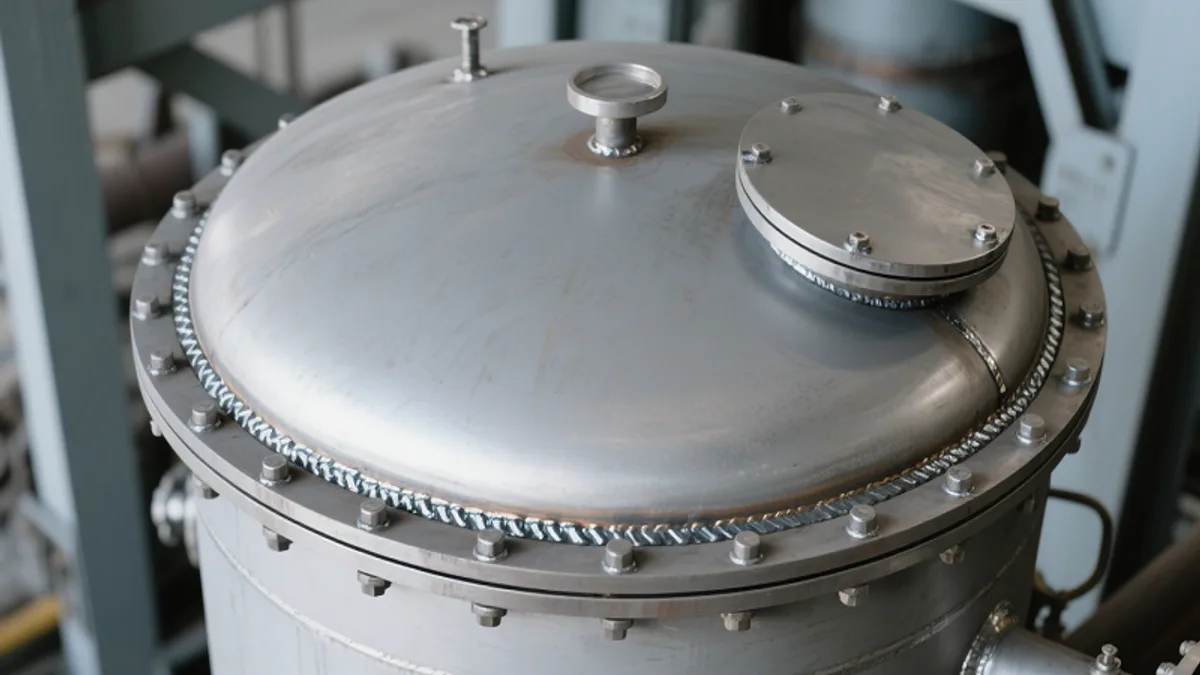
Pressure vessel and reactor closure bolting in a petrochemical plant
Damage mechanism

Manways, exchanger channels and reactor closures combine pressure, temperature, gasket seating stress and aggressive media; relaxation or corrosion under deposits can undermine preload.

Recommended assembly

B8M Class 2, B16, Inconel 718, Inconel 625 or Hastelloy C276 stud-bolt assemblies with compatible heavy hex nuts and anti-galling lubrication.

Material boundary

Select B8M stainless only after checking the specific medium, chlorides, temperature, strength class and code allowables. Use B16 or 718 where sustained-temperature strength and relaxation control govern; use 625 or C276 where the defined corrosion environment justifies the alloy route.

Installation checks
  • Review design temperature against creep and relaxation behavior
  • Confirm galling prevention for stainless and nickel alloy threads
  • Control stud projection and closure sequence
  • Separate pressure-retaining closure bolts from guards, ladders and non-pressure accessories
Document setPMI and alloy certificateHigh-temperature mechanical test when specifiedInspection dossier for pressure equipment filesClosure bolt map for manway, channel or reactor cover
Field risk

Choosing only by “corrosion resistant” language can miss high-temperature strength loss or nickel-alloy galling at installation.

04

Turnaround maintenance

Exposure
Short outage windows, mixed legacy standards and emergency replacement
Critical joints
Critical flange reinstatement and rotating equipment overhaul
Recommended seriesPTFE Coated B7 Turnaround Flange Bolt Kit ↗
Refinery turnaround maintenance crew working on critical flange joints
Damage mechanism

Turnaround bolting risk is driven by compressed schedules, mixed legacy standards, seized hardware and urgent flange reinstatement after inspection findings.

Recommended assembly

Pre-kitted B7 / B16 / B8M stud bolt sets with matching ASTM A194 nuts, lubricant instructions, spare percentage and tag-level packing for each flange package.

Material boundary

Use the original line-class material as the baseline; upgrade only when engineering approves a change for temperature, sour service, chloride or operator standard updates.

Installation checks
  • Reconcile line list, gasket list and flange count before packing
  • Separate reusable service tools from one-time replacement fasteners
  • Mark emergency substitutes clearly for engineering acceptance
  • Reserve controlled spare sets for hot work findings, damaged threads and failed hydrotest joints
Document setTag-level packing listMTC package by heat and line classNonconformance / substitution record when usedShutdown sequence and priority package list
Field risk

A fast shipment without line-class control can create hidden mismatches that are discovered only during flange closure.

Rotating and pressure equipment

Valve, Pump & Compressor Fasteners

Valve Body & Bonnet Fasteners

Critical joints
Body-bonnet studs, pressure covers, gland assemblies and actuator mounting points.
Selection boundary
Match pressure class, design temperature, process medium, bonnet gasket and maintenance cycle before selecting the stud, nut and lubricant system.
Evidence to confirm
Equipment drawing, material grade, nut pairing, hardness, coating or lubricant condition, tightening sequence and heat traceability.

Pump Casing & Service Fasteners

Critical joints
Casing split lines, covers, seal housings, baseplates and auxiliary piping connections.
Selection boundary
Control preload, casing alignment, vibration, corrosion exposure and repeated disassembly. Internal rotating hardware remains subject to the pump OEM drawing.
Evidence to confirm
Dimensional report, torque-tension condition, coating compatibility, approved substitutions and equipment-tagged packing.

Compressor Bolting

Critical joints
Casing joints, end covers, process-gas flanges, coolers and service-access closures.
Selection boundary
Review pressure and thermal cycling, vibration, relaxation, leakage consequence and access for hydraulic tensioning or controlled torque.
Evidence to confirm
Design-temperature material review, friction or lubricant record, tightening procedure, MTC/PMI where specified and closure-bolt mapping.
Existing product range

Oil, Gas & Petrochemical Fastener Product Types

Only current public products are linked below. Grade, temperature range, corrosion limits, companion nuts and inspection requirements must still follow the project specification.

Product typeTypical application
ASTM A193 B7 & B7M Stud BoltsRefinery piping, flange joints and turnaround replacement sets
ASTM A193 B16 Stud BoltsSustained high-temperature process flanges, valves and pressure equipment
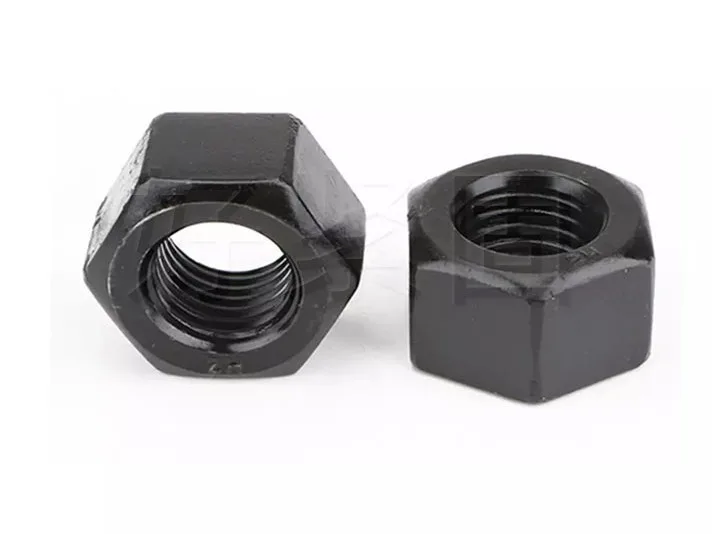
ASTM A194 2H, 2HM & 7 Heavy Hex NutsMatched heavy-hex nut systems for ASTM pressure bolting
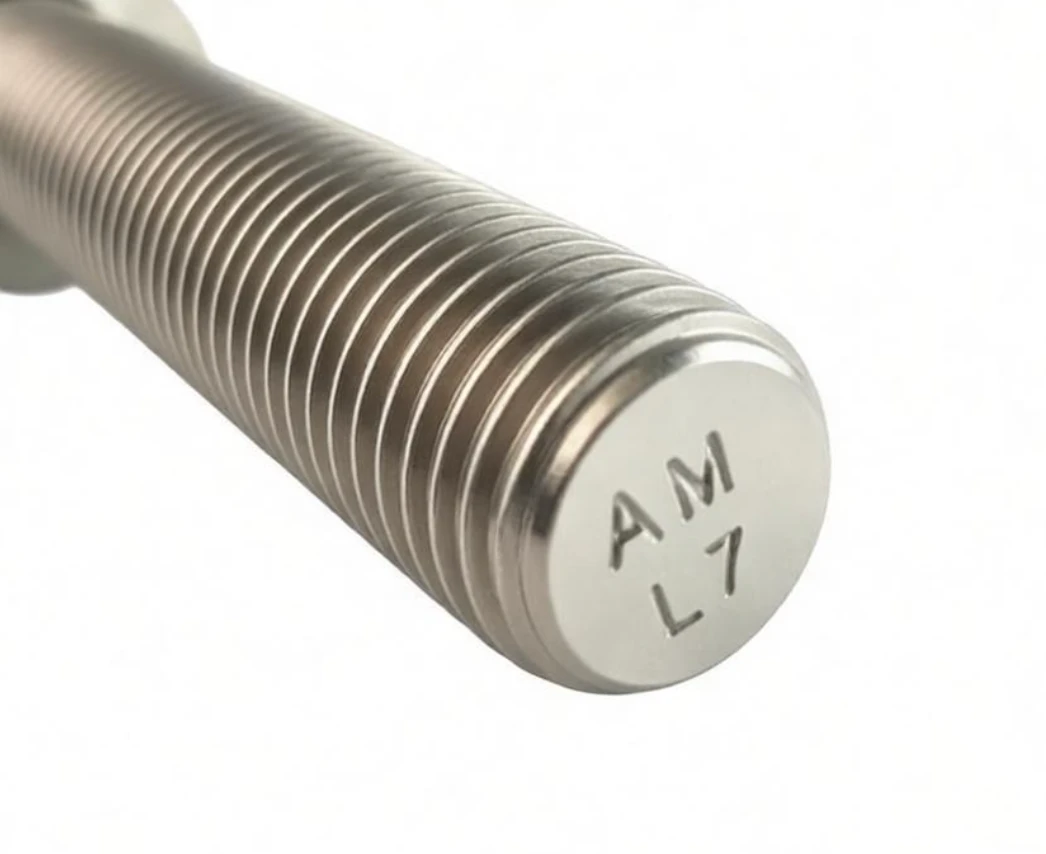
ASTM A320 L7 & L7M Stud BoltsLow-temperature process piping, LNG flanges and controlled-hardness L7M assemblies
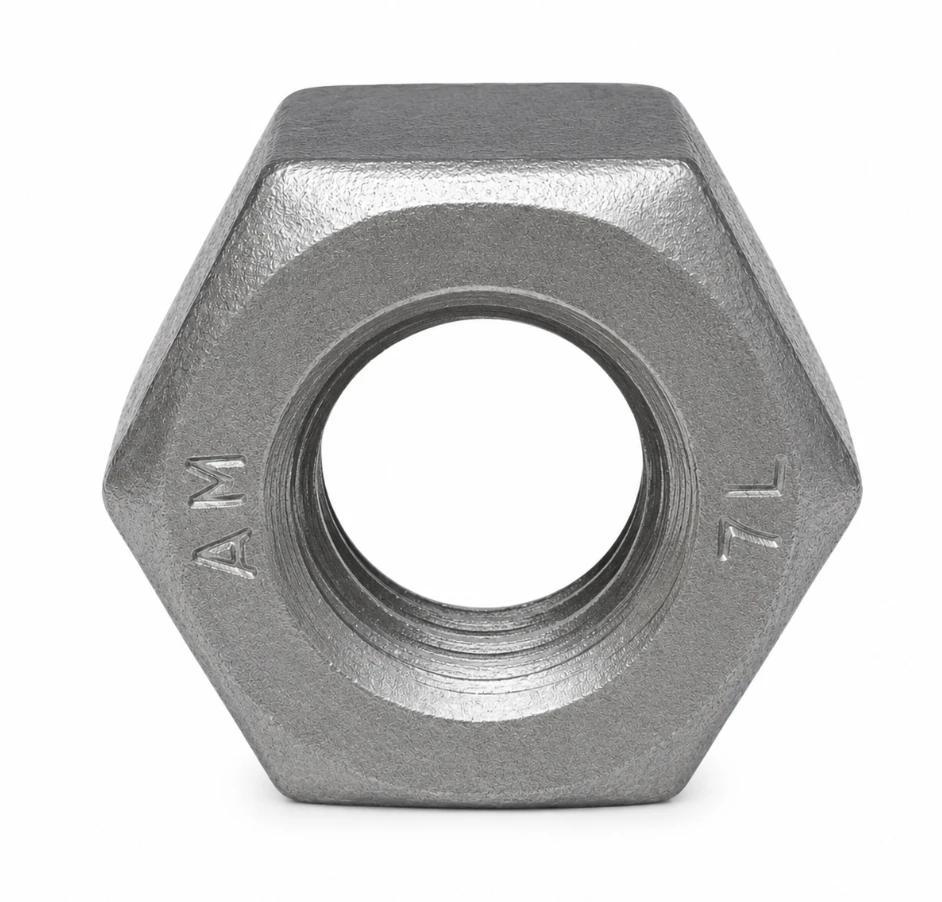
ASTM A194 Grade 7L & 7M Heavy Hex NutsGrade 7L impact-tested nuts for A320 L7 and Grade 7M controlled-hardness nuts for A320 L7M
ASTM A193 B8M Stainless Stud BoltsCorrosion-sensitive process equipment and pressure closures
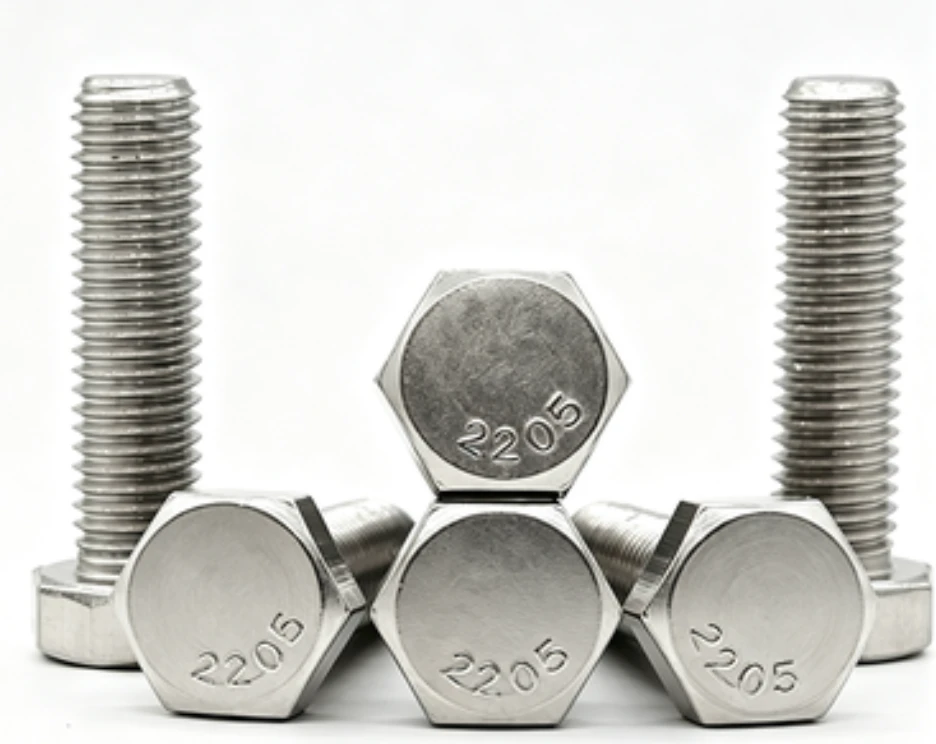
Duplex Hex Head BoltsChloride, offshore and mixed-corrosion equipment joints
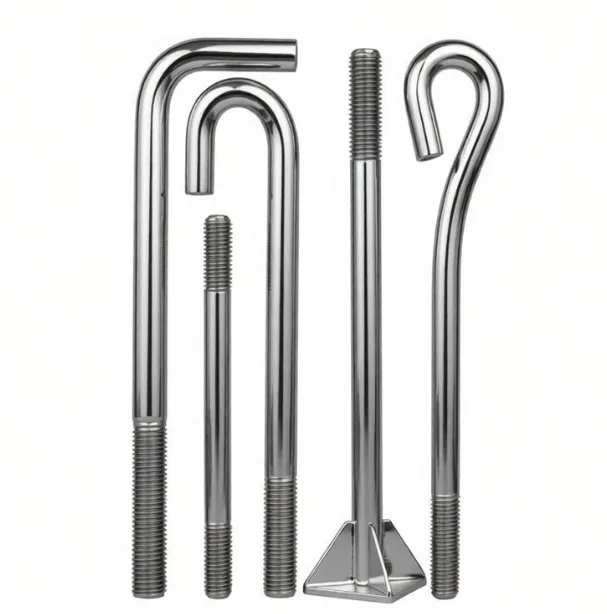
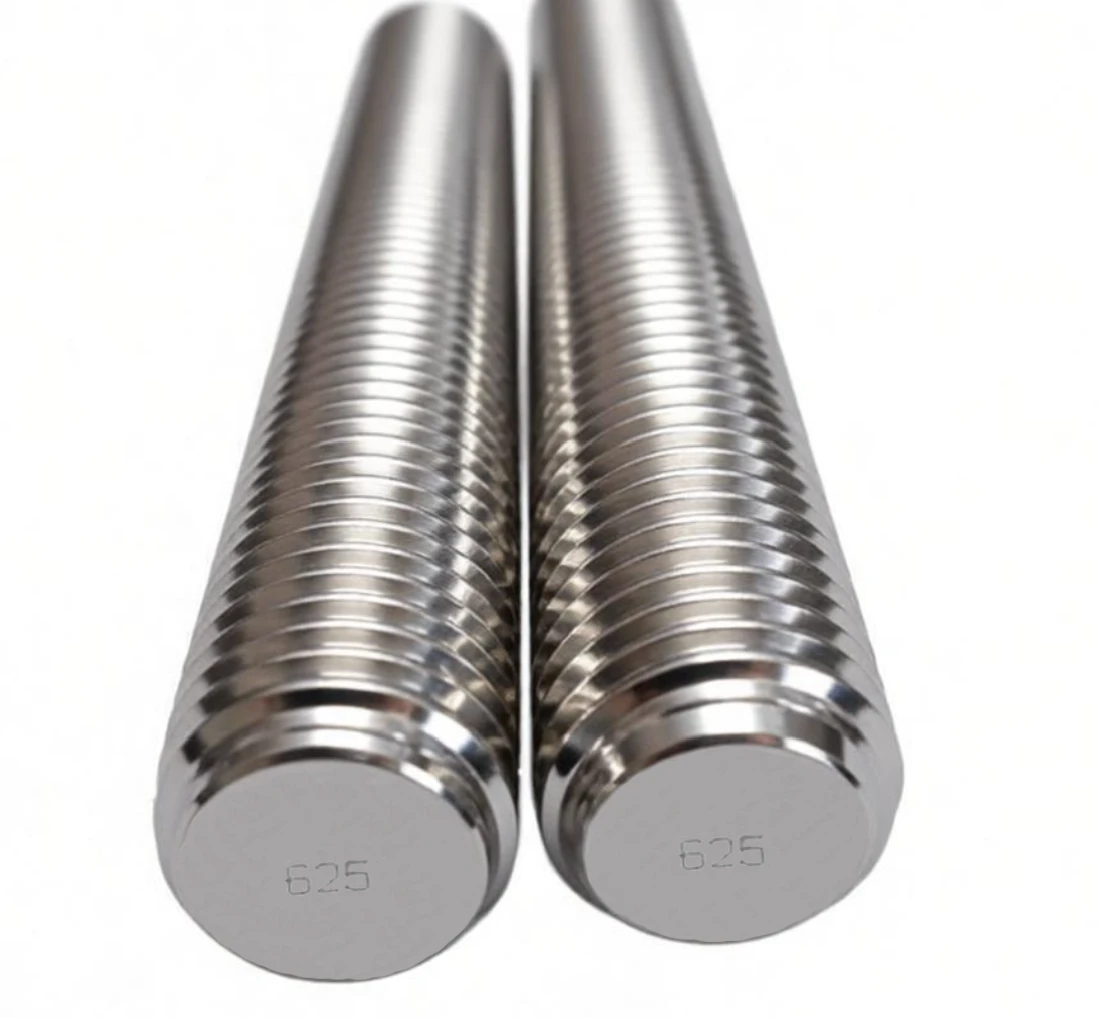
Inconel 625 & 718 Stud BoltsAlloy 625 for chloride and seawater corrosion, or Alloy 718 for high-load and elevated-temperature equipment
Nickel Alloy Stud BoltsSevere corrosion or temperature service defined by project grade
Nickel Alloy Hex NutsCompatible nut systems for specified nickel-alloy bolting
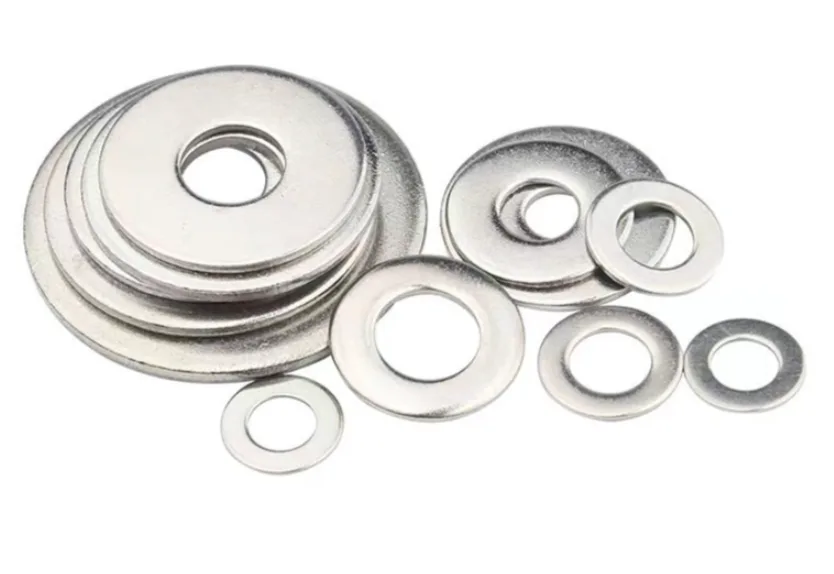
Nickel Alloy Flat WashersBearing and material-compatible washer requirements
Insulating Shoulder WashersElectrical isolation and dissimilar-metal interface control
Material decision

Specify against the damage mechanism, not the equipment name.

Sour / H2S serviceASTM A193 B7M + A194 2HM, or ASTM A320 L7M + A194 7M for the controlled-hardness low-temperature routeControlled hardness, approved coating or phosphate/oil by specificationGrade and hardness remain subject to the applicable project route: MR0175 / ISO 15156 for production service or MR0103 / ISO 17945 for refinery service. L7M also carries the ASTM A320 low-temperature context.
High-temperature refinery and power pipingASTM A193 B16 or B8 Class 2; Inconel 718 for severe dutyOxidation-resistant coating or anti-seize lubricant as specifiedMaintains clamp load under relaxation, creep and repeated heat-up / cool-down cycles.
Chlorides, seawater and splash-zone corrosionA193 B8M, duplex stainless, Inconel 625 or Hastelloy C276Passivation, PTFE / Xylan-style coating or bare alloy with anti-galling controlTargets pitting, crevice corrosion and chloride stress-corrosion cracking.
Cryogenic LNG and low-temperature serviceASTM A320 L7 + A194 7L, ASTM A320 L7M + A194 7M, or austenitic stainless B8 / B8MLow-temperature compatible coating and lubricantUses the impact-tested L7/7L route or the controlled-hardness L7M/7M route as the project requires; NACE or ISO sour-service compliance remains a separate requirement.

Standards and evidence

Critical bolting packages need standards context, validation evidence and tag-level delivery control.

Pressure flange bolting

Project references
ASME B16.5 / B16.47 flange context, ASME PCC-1 tightening practice and ASTM A193 / A194 bolting specifications where required.
Validation evidence
MTC, tensile / hardness record, thread fit confirmation, coating thickness and friction or lubricant condition note.
Delivery control
Packed by line class, flange tag, gasket set and tightening method so installation crews do not mix coated and uncoated bolting.

Sour service and wet H2S

Project references
NACE MR0175 / ISO 15156 for upstream production or NACE MR0103 / ISO 17945 for refinery service, as invoked by the project, plus the operator approved material list.
Validation evidence
Hardness report, heat traceability, PMI where alloy verification is required and coating compatibility note.
Delivery control
Separated by sour-service boundary with clear B7M / L7M / 2HM identification and no uncontrolled grade substitutions.

Pressure vessels and reactors

Project references
ASME pressure-equipment files, vessel drawing, closure bolting schedule and design temperature / medium requirements.
Validation evidence
PMI, alloy certificate, high-temperature mechanical record when specified, anti-galling lubricant note and closure bolt map.
Delivery control
Kitted by manway, exchanger channel, reactor cover or inspection package with pressure-retaining bolts separated from accessory hardware.

Turnaround and emergency replacement

Project references
Line list, flange schedule, gasket list, hydrotest requirement, inspection finding and engineering substitution rule.
Validation evidence
Tag-level packing list, MTC by heat, nonconformance / substitution record and spare percentage record.
Delivery control
Sequenced packages for outage work fronts, with emergency substitutes marked for engineering acceptance before flange closure.
Failure modes to control

Critical bolting problems usually come from the interface between material, coating and installation.

  • Stress corrosion or sulfide stress cracking when hardness and material limits are not controlled.
  • Flange leakage caused by gasket relaxation, wrong stud length, uneven lubrication or mixed coatings.
  • Galling on stainless or nickel alloy threads when nut pairing and anti-seize practice are missing.
  • Hidden turnaround mismatches between line-class material, nut grade and emergency substitutes.
  • Loss of clamp load after thermal cycling when B7, B16 or nickel alloy routes are selected without checking relaxation behavior.
  • Crevice corrosion under washers, deposits or mixed-metal contact points in splash-zone and chloride service.
  • Hydrotest or reinstatement delays when tag-level packing, spare percentage and document sets do not match the outage sequence.

Is ASTM A193 B7 enough for every refinery flange?

No. B7 is common, but sour service, elevated temperature, cryogenic duty and chloride corrosion can require B7M, B16, A320 L7, B8M, duplex or nickel alloy routes. A grade name alone does not prove sour-service compliance; apply MR0175 / ISO 15156 or MR0103 / ISO 17945 only where the project invokes the relevant scope.

Should coating be specified separately from the stud material?

Yes. Coating changes friction, corrosion life and installation behavior. The coating, lubricant, nut grade and tightening method should be approved as one flange bolting system.

What makes a turnaround bolting kit different from normal stock?

It is organized by line class and flange tag, not just by diameter. The kit should include correct lengths, nut pairings, documents and spare allowance for the outage sequence.

When should bolt tensioning be considered instead of simple torque?

Use the site or engineering procedure as the authority. High-pressure, large-diameter or critical flange joints often need a defined tensioning sequence because torque alone can be sensitive to coating, lubricant and thread condition.

What evidence should be tied to each flange package?

The practical minimum is heat-traceable MTC, grade and nut pairing, coating or lubricant condition, hardness where relevant, and tag-level packing. PMI and special tests are added where alloy or pressure-equipment files require them.

Installation control

Flange integrity is decided before the crew starts tightening.

  1. 01Confirm pressure boundary and line classMatch every stud, nut and washer set to the flange tag, pressure class, design temperature, gasket and line-class material before packing.
  2. 02Lock down friction before tighteningCoating, lubricant, thread condition and nut pairing must support the torque, torque-angle or tensioning procedure used on site.
  3. 03Control stud projection and closure sequenceStud length, engagement, washer rule and tightening sequence should preserve gasket seating stress and avoid uneven flange loading.
  4. 04Document alloy and hardness evidencePMI, MTC, hardness, tensile and coating records should remain tied to heat number, tag number and package identity.
  5. 05Separate approved spares from substitutesTurnaround spare sets should be defined up front; emergency substitutions need clear engineering acceptance before reinstatement.

Planning a project or turnaround?

Send the line list, flange schedule and bolting evidence requirements.

  • Line list, flange schedule, pressure class and gasket specification.
  • Material requisition with ASTM grade, coating, lubricant and approved alternatives.
  • Design temperature, sour-service / chloride / cryogenic boundaries and operator approval list.
  • Tightening method: torque, torque-angle, hydraulic tensioning or site-specific procedure.
  • Required documents: MTC, PMI, hardness, tensile, coating, friction or substitution records.
Build the bolting package →