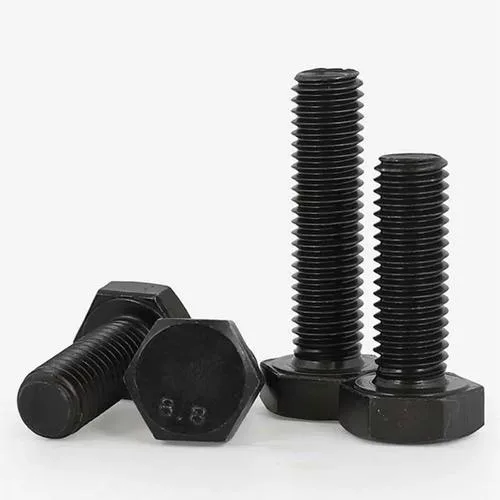
Connection before product
Structural and machinery fasteners should be selected from the joint function: slip resistance, bearing load, anchorage, fatigue, service removal or vibration control.
Industry Fastener Solutions
Engineered fastener packages for steel construction, bridges, concrete interfaces and heavy machinery, aligned to load, environment, installation and service-life demands.
01 / Solution approach
Our construction solution starts with the connection: design load, joint movement, corrosion category, tightening method, inspection plan and future maintenance. We then coordinate the bolt, nut, washer, coating and documentation as one supply package.
Structural and machinery fasteners should be selected from the joint function: slip resistance, bearing load, anchorage, fatigue, service removal or vibration control.
Bolt, nut, washer, thread class, coating and tightening method must work together; substituting one item can change preload, bearing behavior and inspection results.
Interior steelwork, bridges, concrete anchors and heavy equipment need different choices across carbon steel, alloy steel, stainless, duplex and coating systems.
Construction fasteners must survive storage, handling, weather, batch mixing and field tightening, not only laboratory strength tests.
02 / Solution map
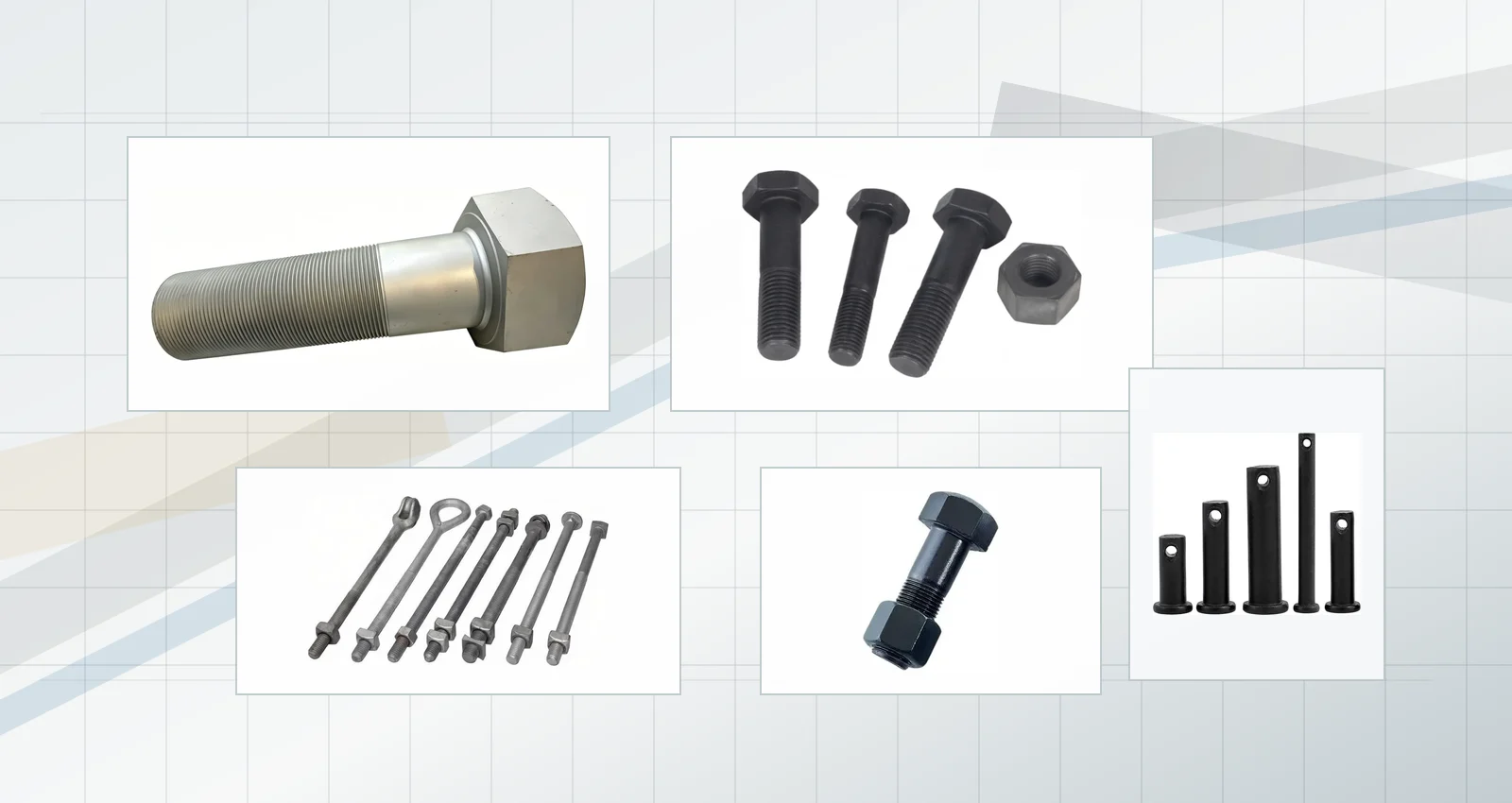
Each highlighted area maps an operating environment to the fastener family and documentation logic used to secure it.
03 / Application systems
Products are positioned inside the joint system where they create value.
Steel construction
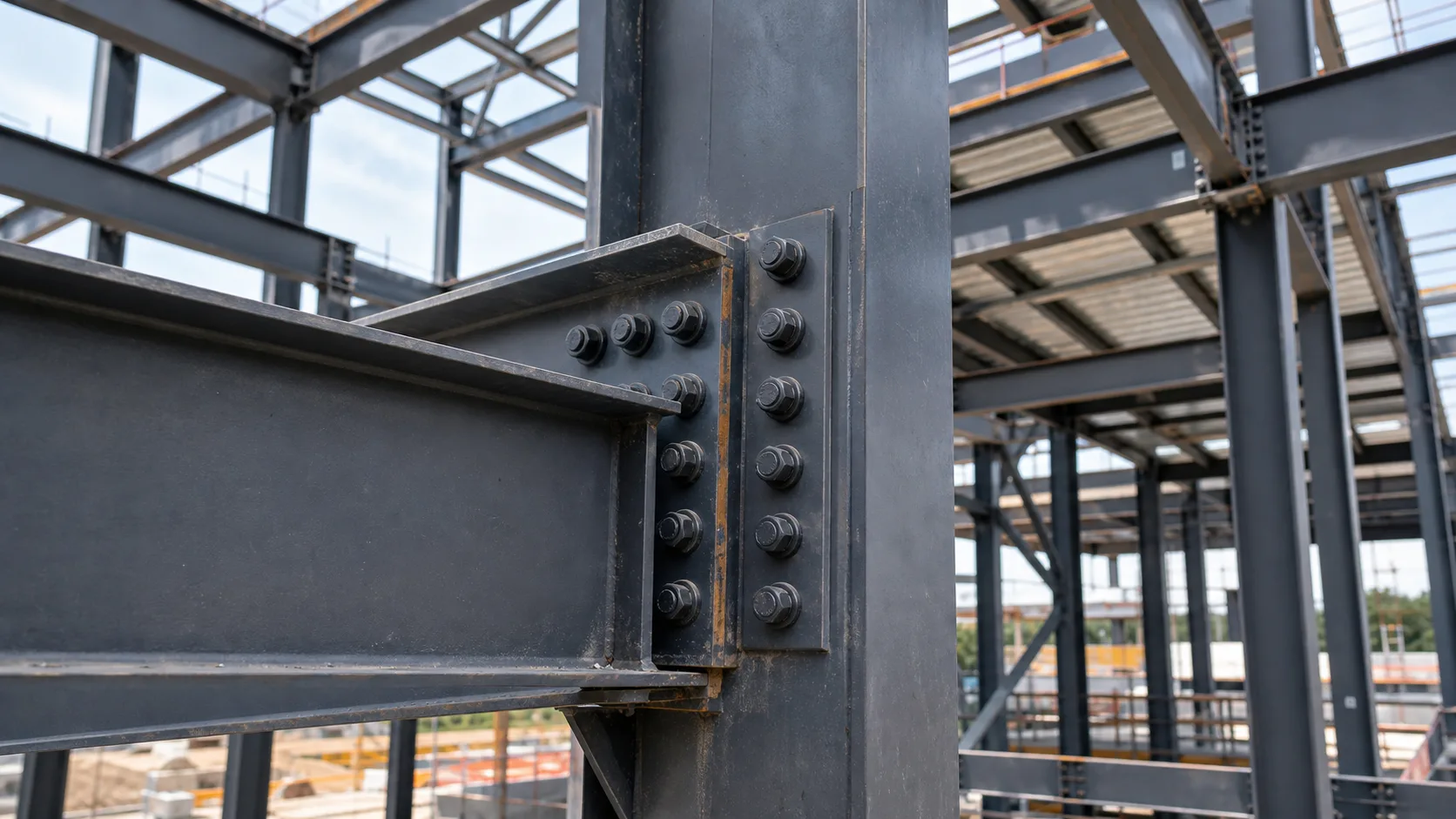
Matched bolt, nut and washer assemblies for primary frames, long-span roofs and seismic steelwork where clamp force and installation repeatability matter.
Fastening system logic
Steel construction joints see erection tolerances, faying surface condition, installation sequence, site weather, crane-lift schedules and long-term building movement. The fastener package must create predictable preload and preserve it after coating, handling and tightening.
Joint function: Clamp steel plates, beam-to-column connections, bracing and splice plates so the joint resists slip, transfers load and remains inspectable under the project standard.
Common field risk: The common mistake is buying bolts, nuts and washers separately because each item looks standard. In preloaded structural joints, mixed grades, coatings or washer hardness can break the assembly logic.
Bridges & infrastructure
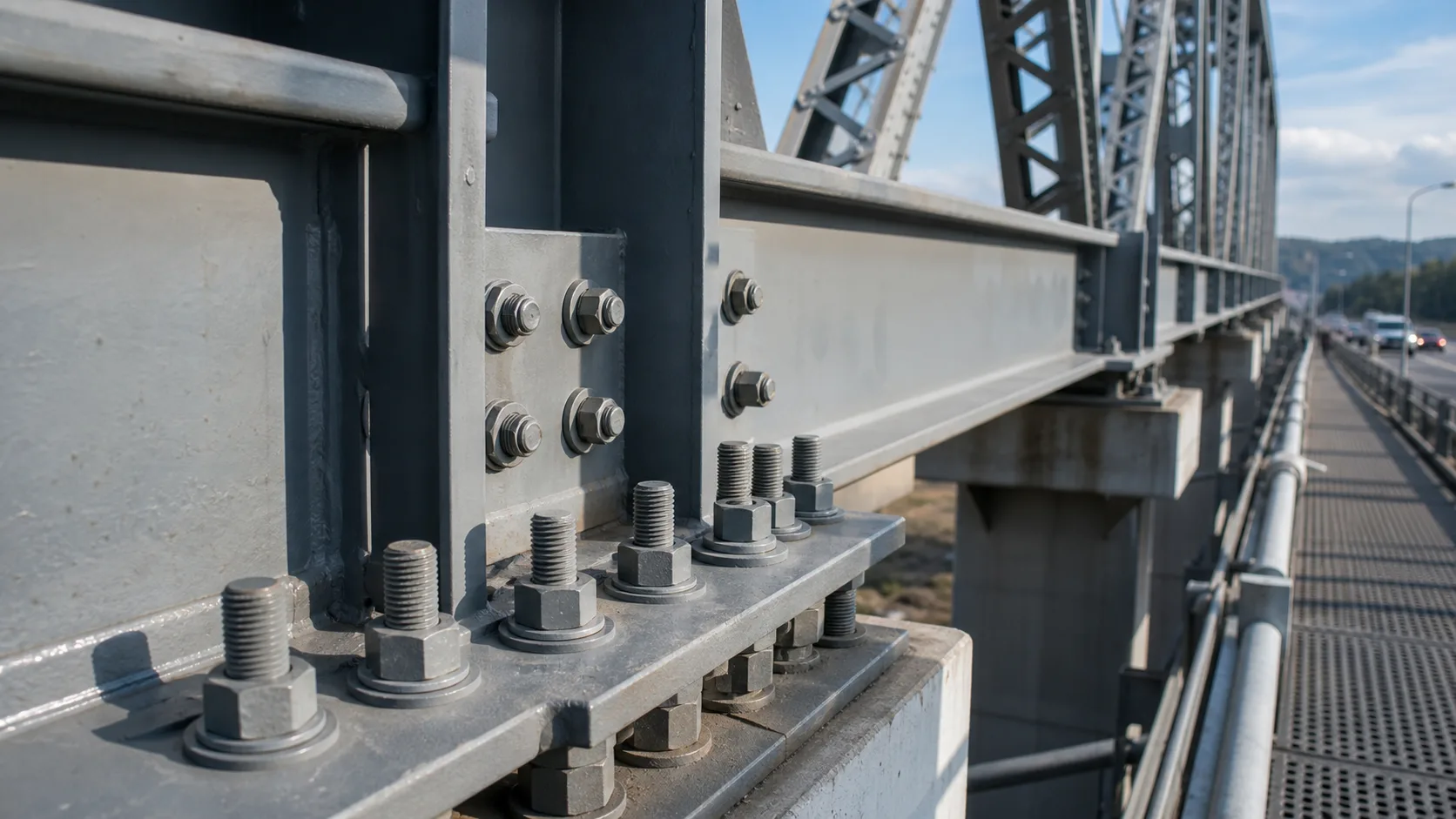
Corrosion-managed bolting for bridge steelwork, parapets, expansion systems and coastal infrastructure exposed to water, chlorides, traffic vibration and difficult maintenance access.
Fastening system logic
Bridge and infrastructure fasteners are exposed to rainwater, deicing salts, coastal chlorides, traffic vibration, fatigue loading, access limitations and long maintenance intervals. Many joints must remain inspectable without frequent replacement campaigns.
Joint function: Secure girders, splice plates, barriers, inspection walkways, expansion systems and auxiliary structures while balancing corrosion life, fatigue resistance and future maintainability.
Common field risk: The common mistake is assuming “corrosion resistant” means one material. Bridge fasteners must match the bridge material, exposure zone, fatigue class and maintenance method.
Concrete interfaces
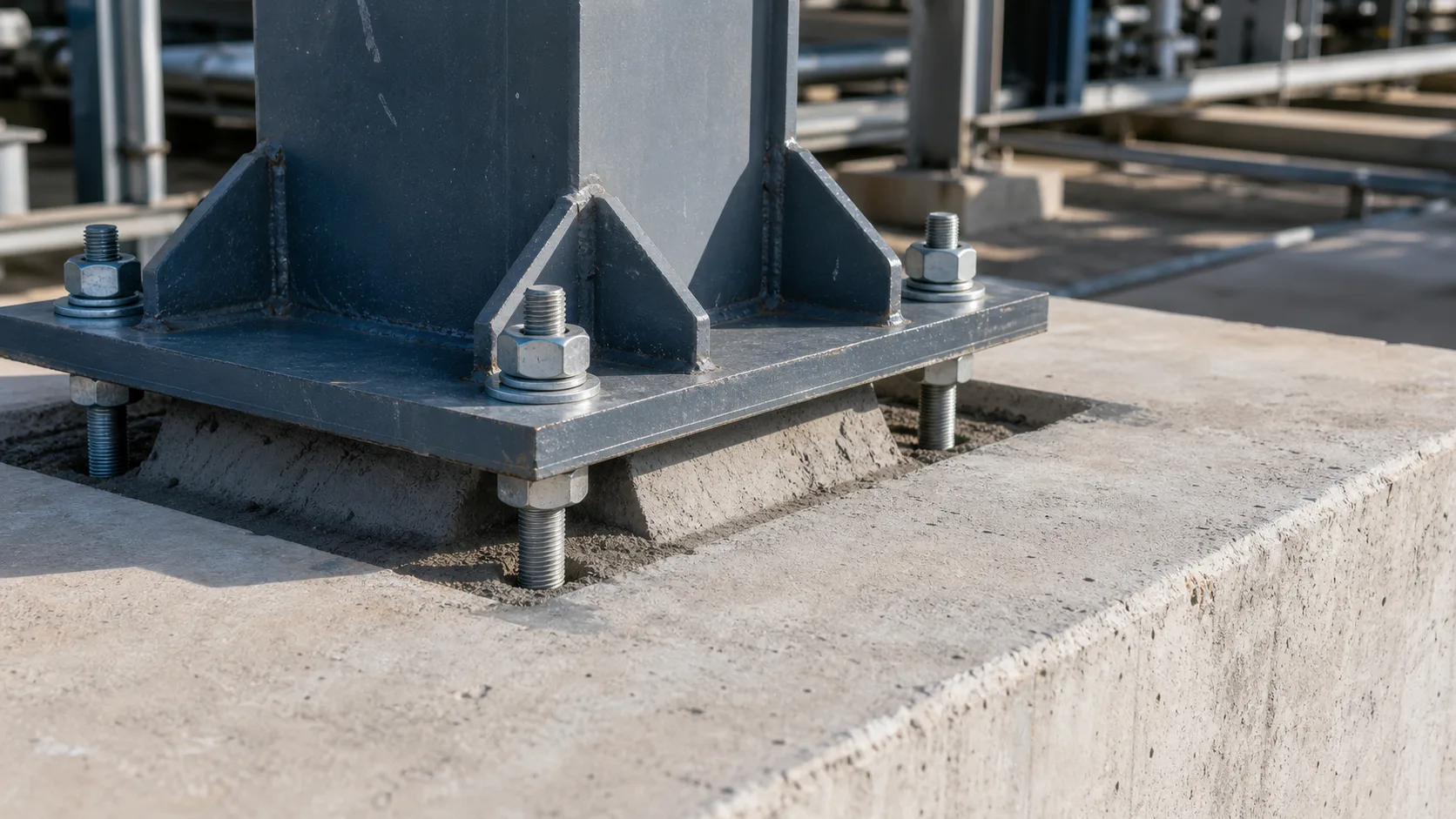
Complete anchor packages for steel columns, machinery foundations and infrastructure equipment, coordinated around embedment, edge distance, grout zone and installation sequence.
Fastening system logic
Anchor systems connect steel columns, equipment bases, bridge accessories and heavy machinery to concrete. They are affected by embedment depth, edge distance, concrete condition, grout zone, hole quality, installation torque and corrosion at the exposed thread zone.
Joint function: Transfer tensile, shear and moment loads from steel or equipment into concrete while preserving alignment, leveling, washer bearing and future inspection access.
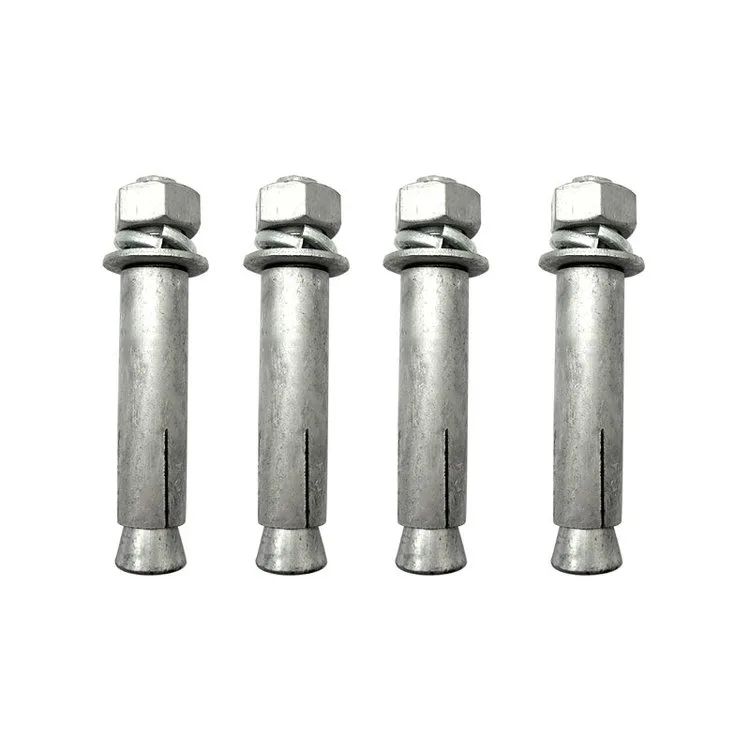
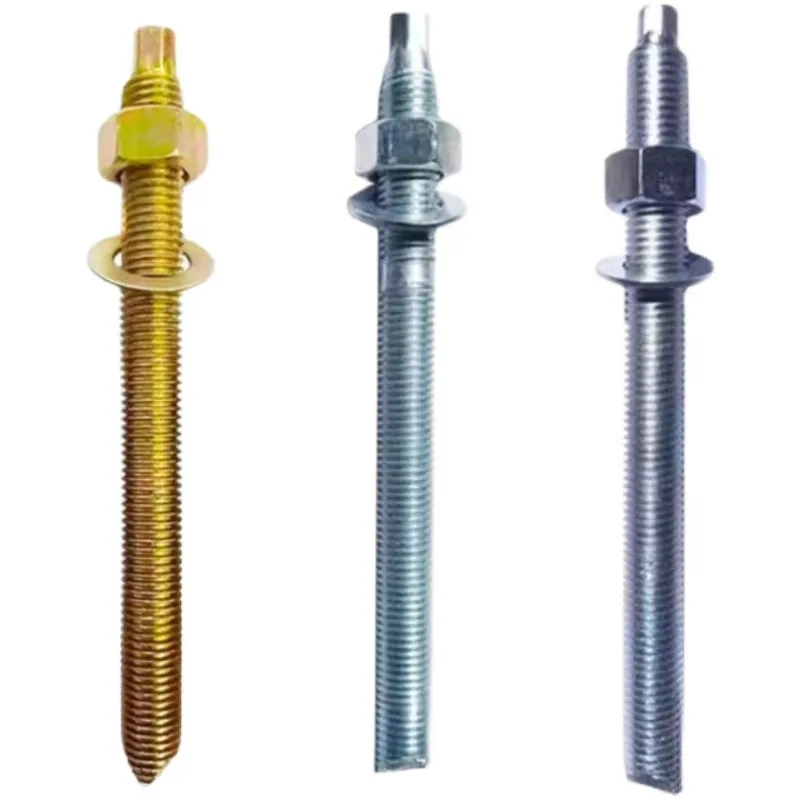
Common field risk: The common mistake is calling every foundation item an anchor bolt. Cast-in anchor rods, adhesive anchor rods, expansion anchors and baseplate bolt packages solve different problems.
Heavy machinery
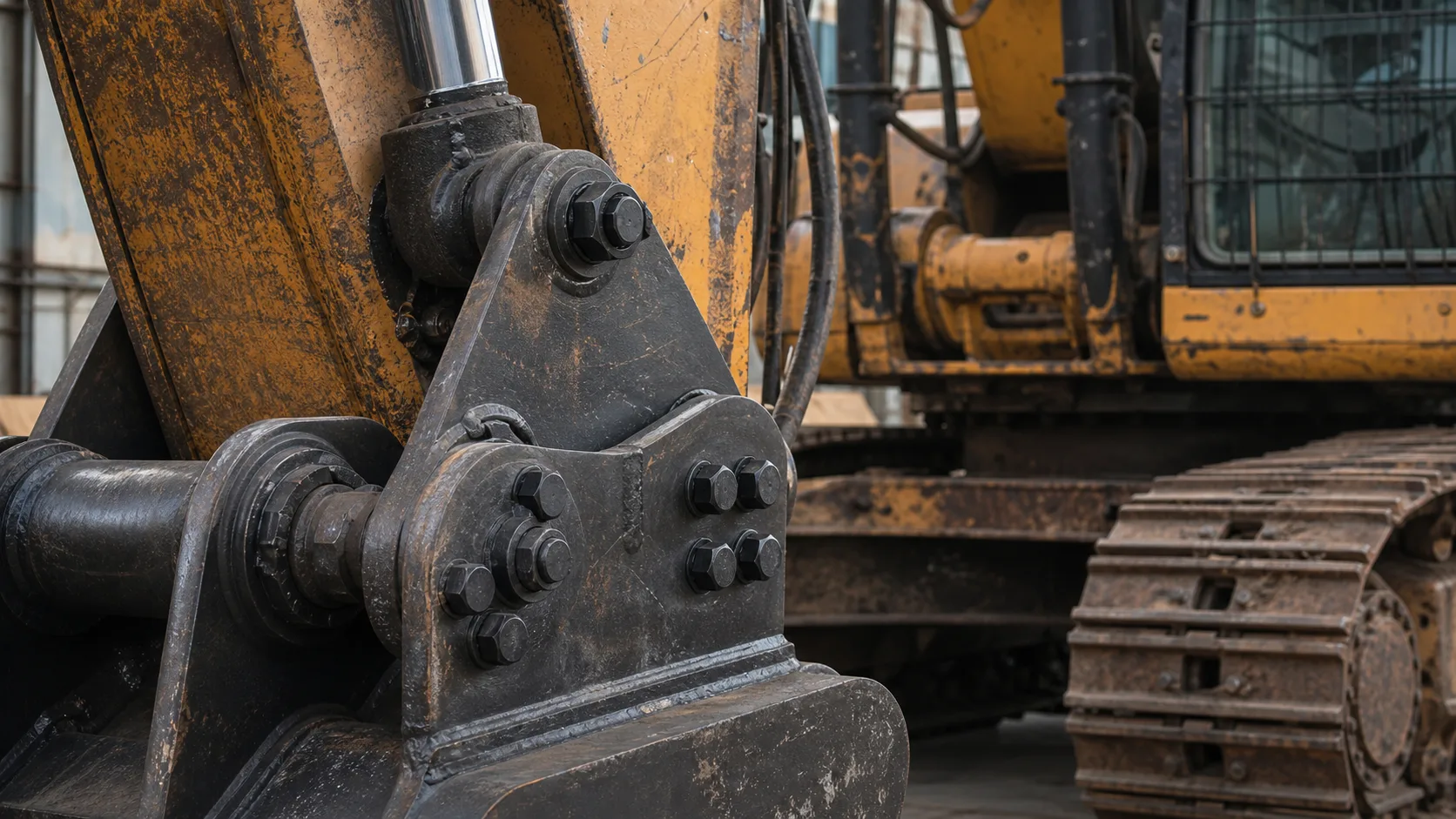
Fastening packages for cranes, mining equipment, crushers and material-handling systems subject to shock load, joint movement, repeated service and field replacement.
Fastening system logic
Cranes, excavators, crushers, mining equipment and material-handling systems experience vibration, impact, reversing loads, contamination, field repair and repeated service removal. The fastening system must hold preload without making maintenance impossible.
Joint function: Secure frames, booms, guards, track shoes, drive systems, pivot structures and pipe or hydraulic supports while resisting loosening, fatigue, wear and field replacement damage.
Common field risk: The common mistake is using the highest strength grade as a universal answer. Heavy machinery joints often fail from loosening, fatigue, wear or service damage rather than simple tensile overload.
04 / Selection logic
Strength alone does not define suitability. The correct solution balances mechanical demand with corrosion risk, tightening behavior and access over the structure's life.
05 / Material and coating matrix
Structural steel, bridges, concrete foundations and heavy machinery may all use bolts, nuts and washers, but the correct system changes with preload, corrosion, anchorage, vibration and maintenance access.
| Environment | Material | Grade | Surface Treatment | Typical Fasteners | Selection Logic |
|---|---|---|---|---|---|
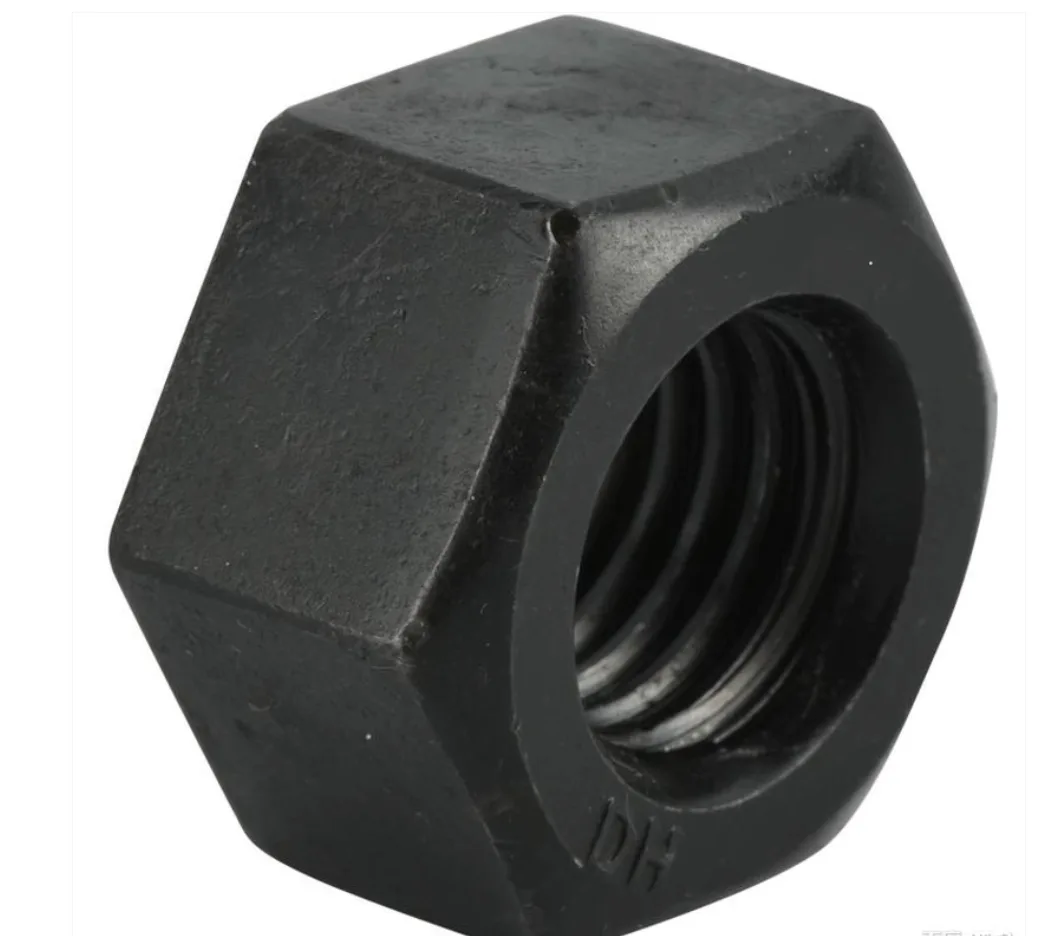
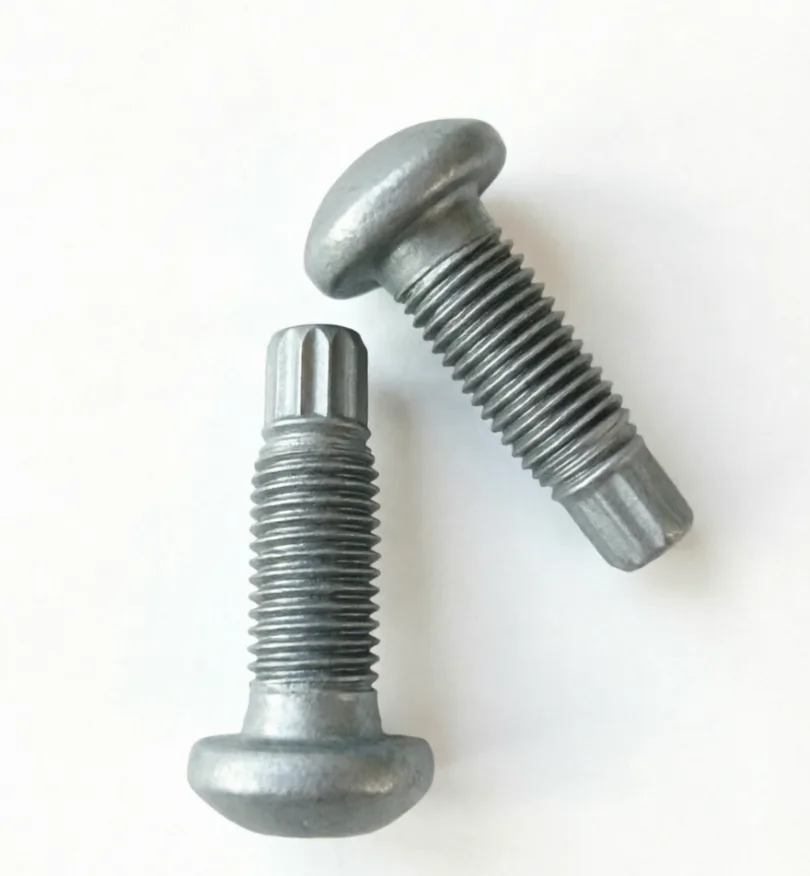
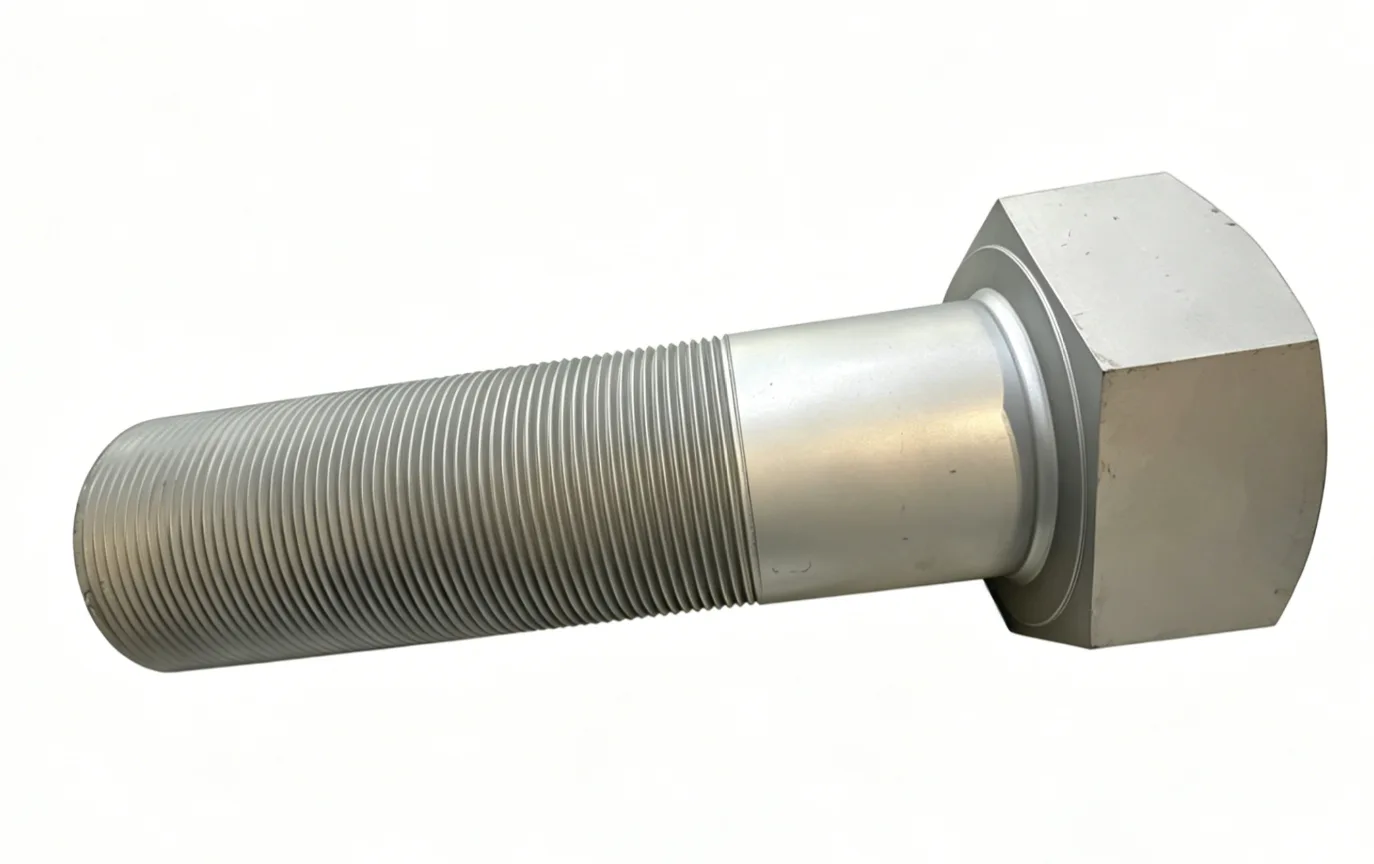
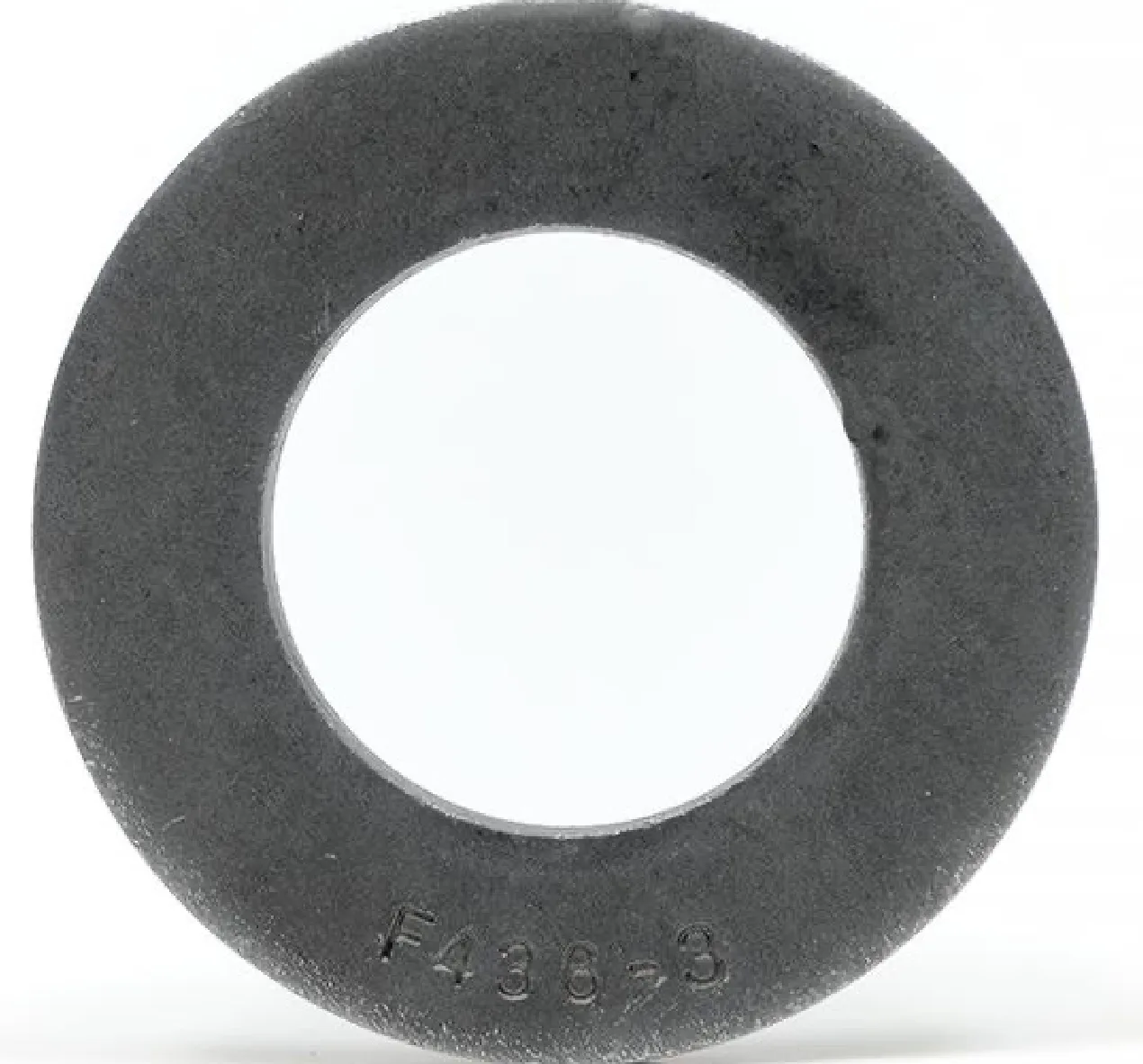
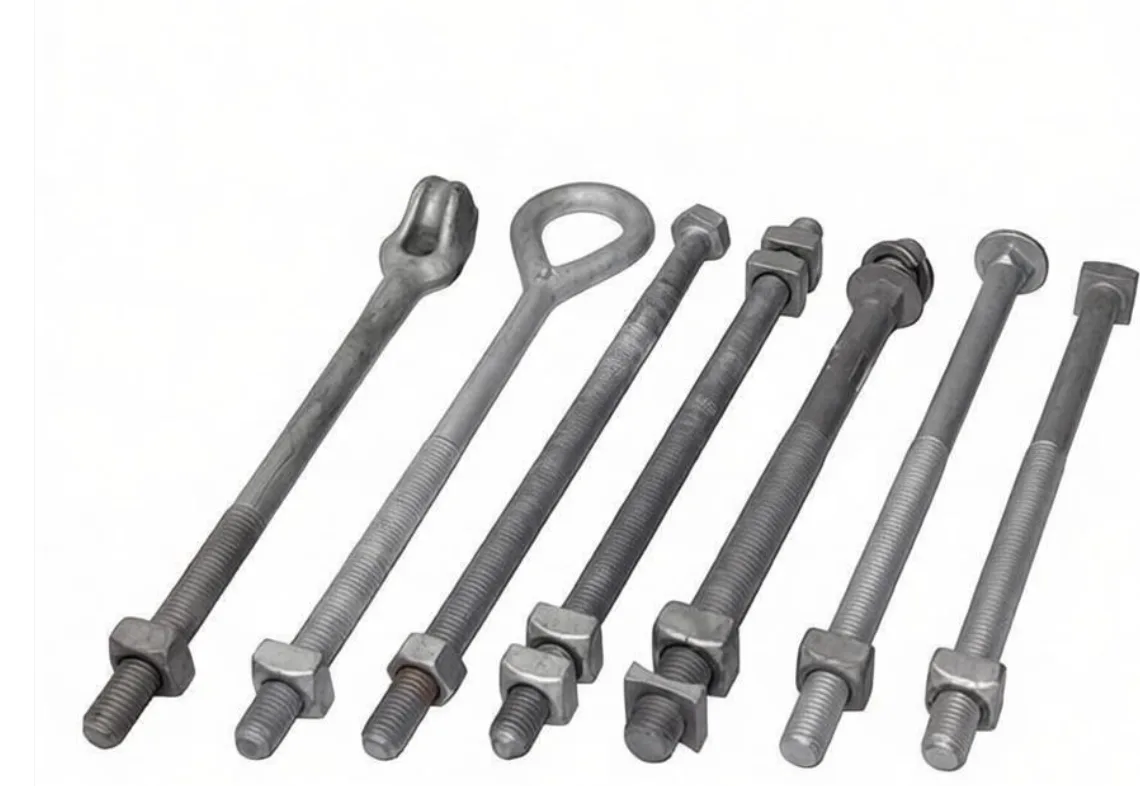
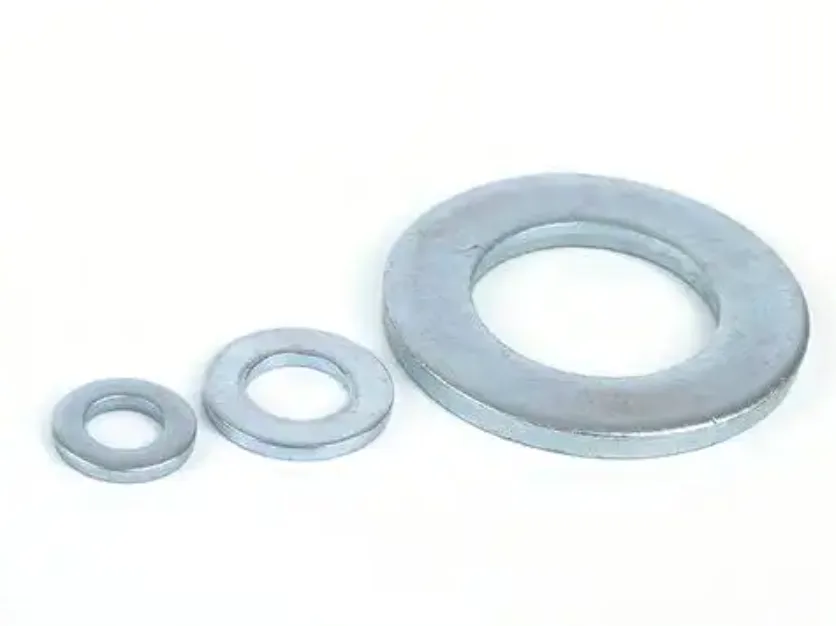
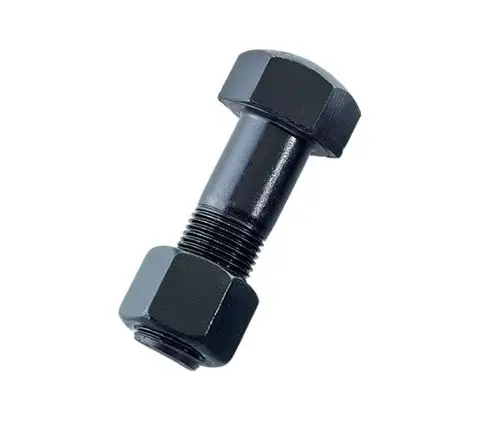
| Interior structural steel and dry building frames | Carbon Steel / Alloy Steel | 8.8 / 10.9 / ASTM F3125 / EN 14399 | Plain, HDG, Zinc Flake, project coating | Structural Bolting Assemblies, Tension Control Bolts, Heavy Hex Nuts, Structural Washers | Prioritize preload, slip resistance, assembly matching and field inspection method. |
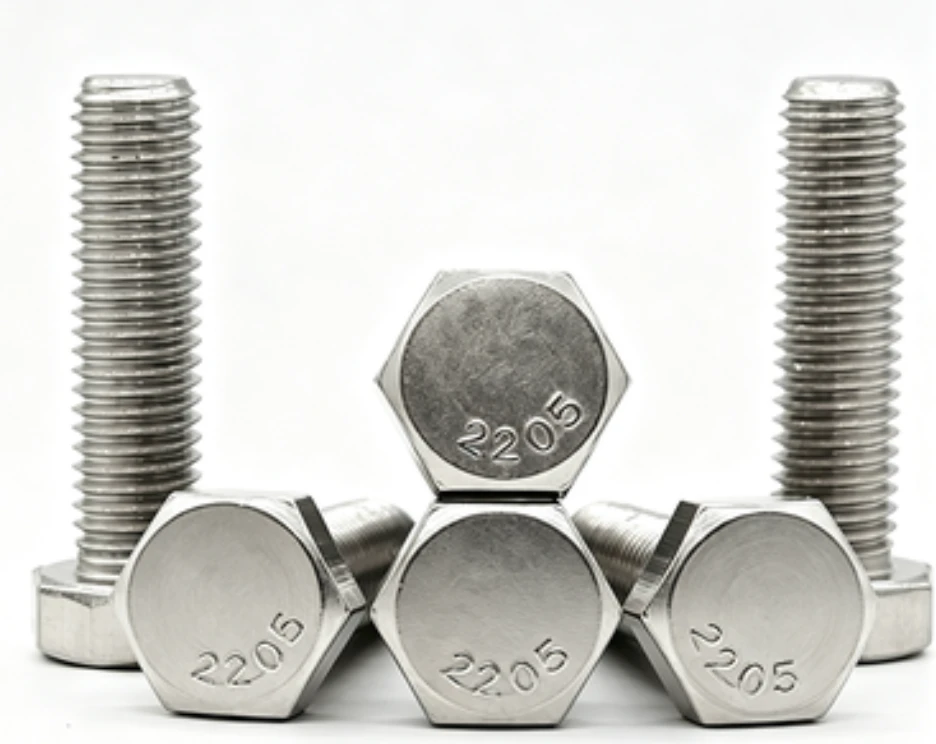
| Bridge steelwork, coastal infrastructure and exposed walkways | Weathering Steel / SS316 / Duplex 2205 | A325 Type 3 / A4-80 / UNS S32205 | Weathering finish, Passivated, HDG or coating system | Weathering Steel Structural Bolts, Stainless Hex Bolts, Duplex Hex Bolts, Stainless Nuts | Select by bridge material, chloride exposure, galvanic pairing, fatigue and maintenance access. |
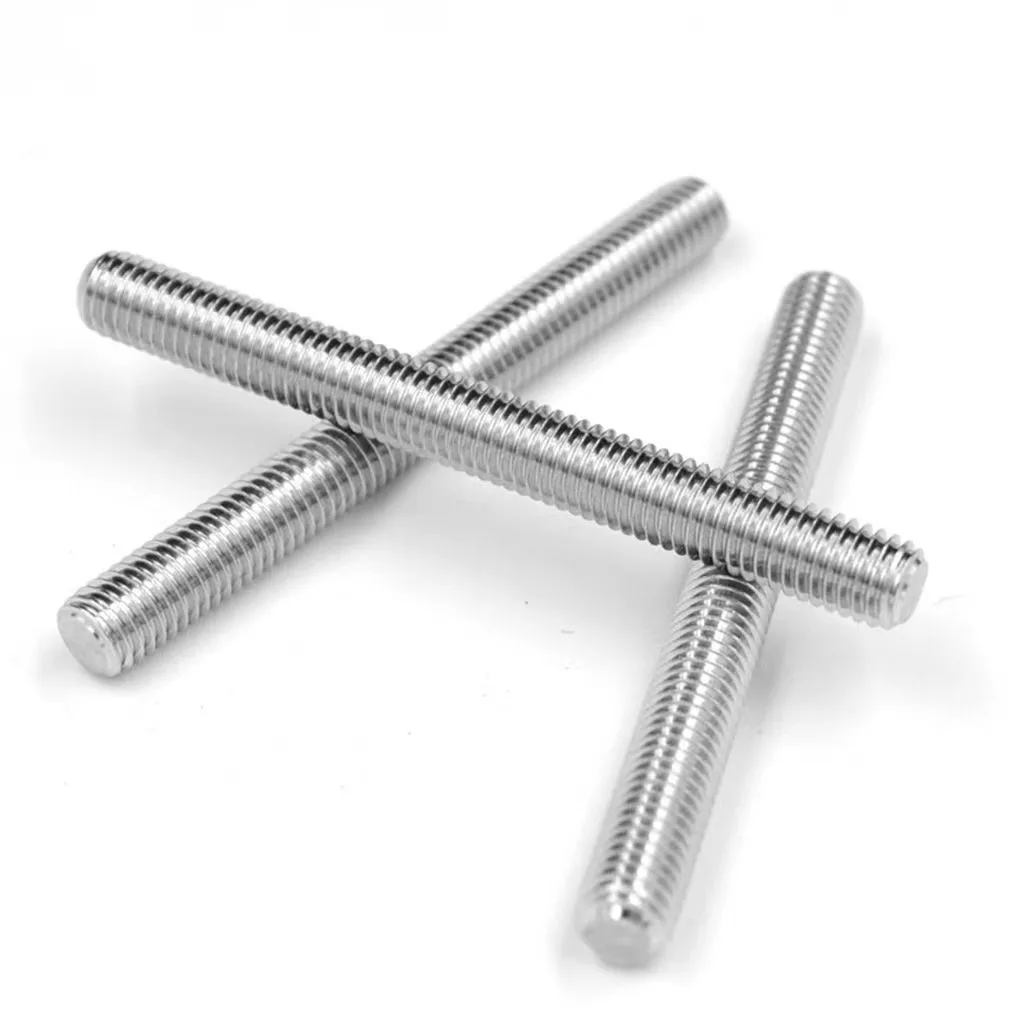
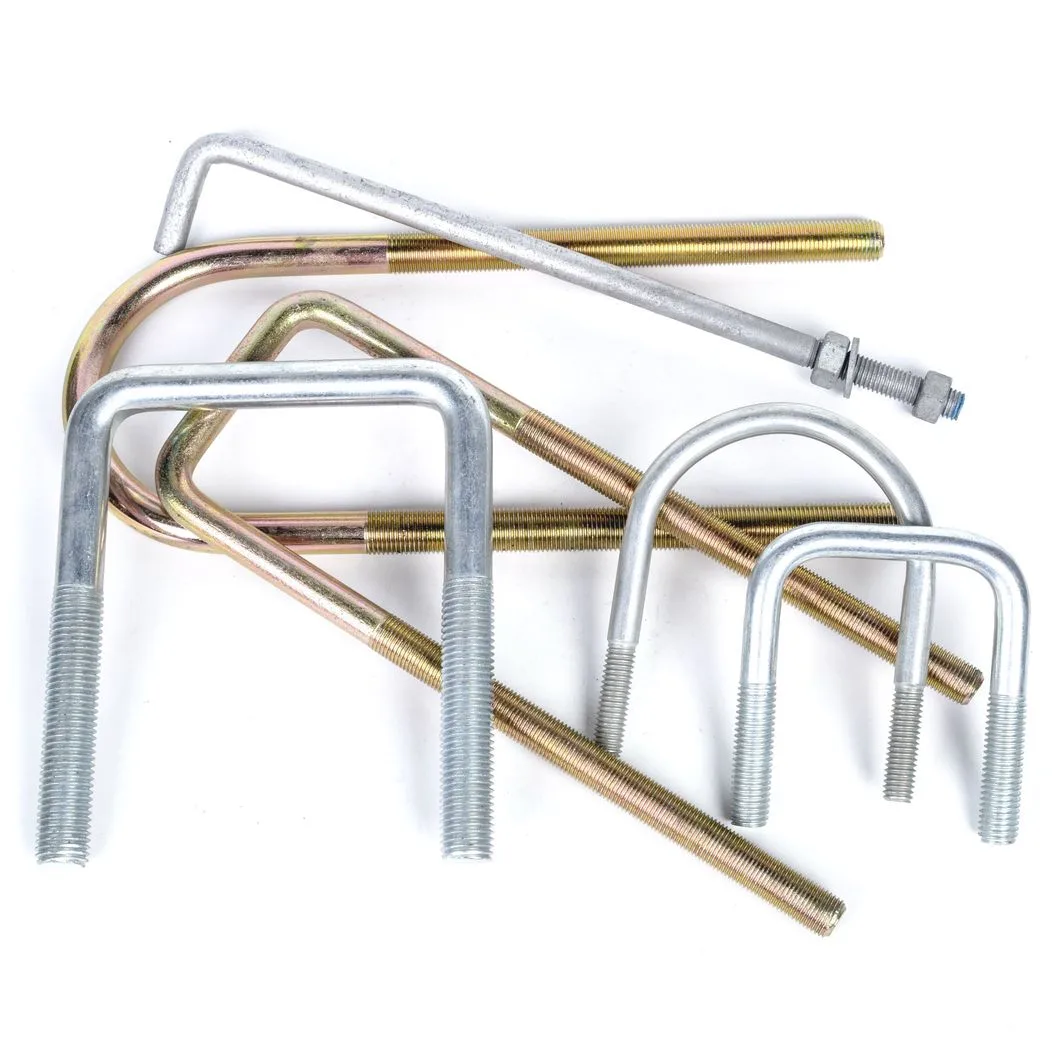
| Column baseplates and equipment foundations | ASTM F1554 / 42CrMo / Q355 / SS304 / SS316 | Grade 36 / 55 / 105, project grade | HDG, Zinc Flake, Plain, Stainless Passivated | Straight Anchor Bolts, Anchor Rods, Heavy Hex Nuts, Plate Washers | Confirm embedment, washer bearing, grout zone, leveling sequence and exposed-thread corrosion. |
| Retrofit concrete anchoring | Carbon Steel / 40Cr / SS304 / SS316 | 5.8 / 8.8 / project approved grade | Zinc Plated, HDG, Stainless | Adhesive Anchor Rods, Expansion Anchors, Wedge Anchors | Select by concrete condition, hole quality, edge distance, approval requirement and installation control. |
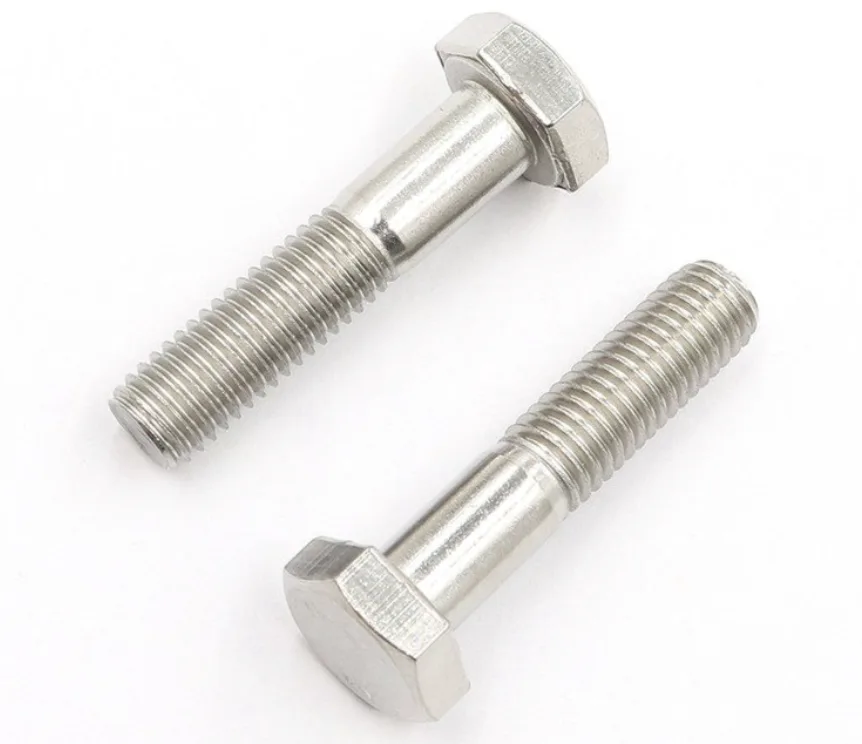
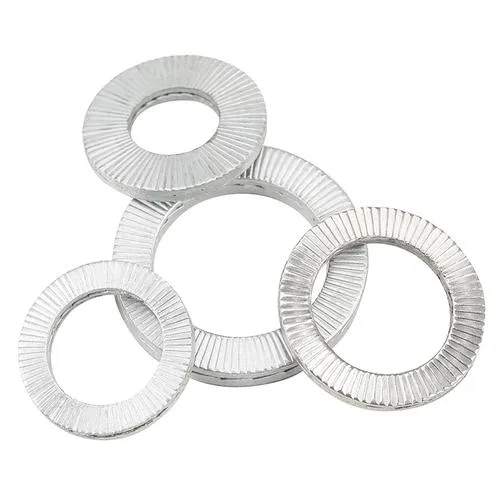
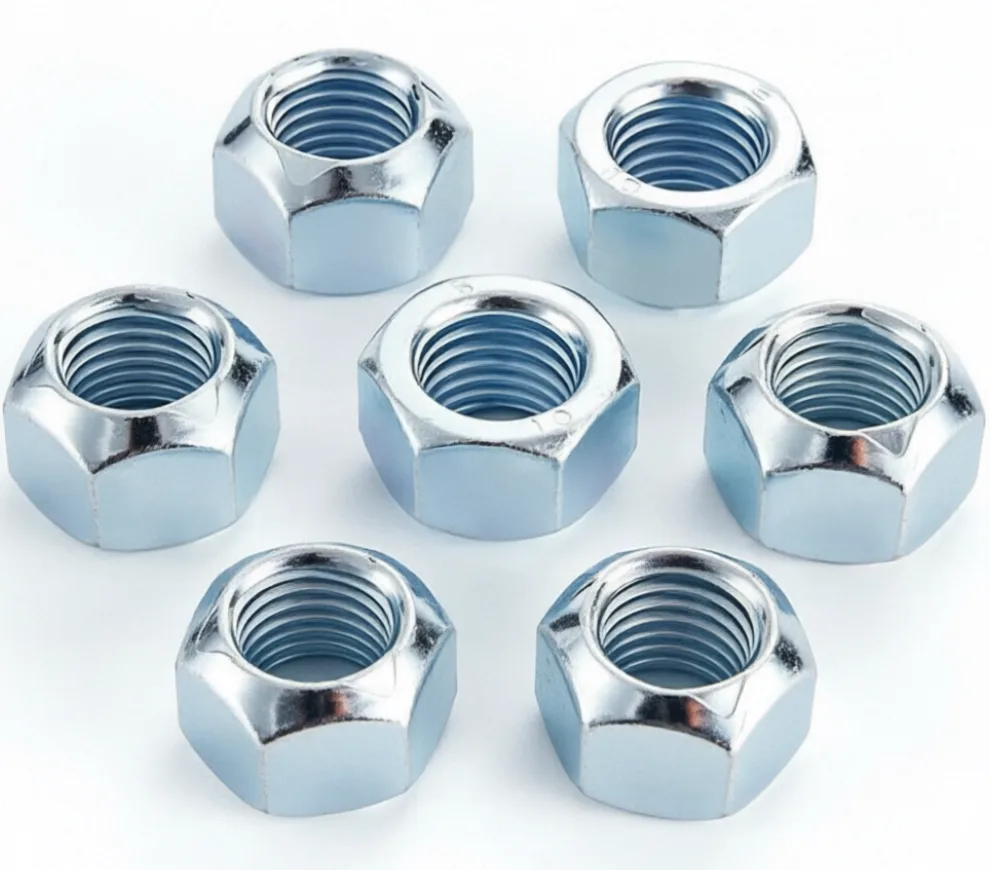
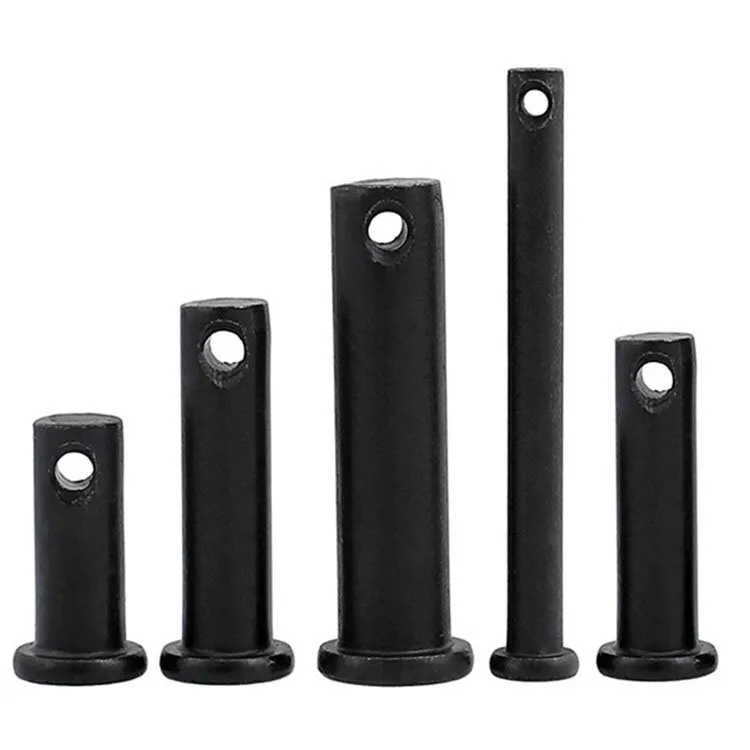
| Heavy machinery, cranes and mining equipment | SCM435 / 42CrMo / 40Cr / Carbon Steel | 10.9 / 12.9 / Grade 8 / Grade 10 | Zinc Flake, Zinc Nickel, Black Oxide, Phosphate | Hex Flange Bolts, Full Thread Hex Bolts, Lock Nuts, Wedge Lock Washers, Pivot Pins | Prioritize clamp load, vibration resistance, service access, fatigue and coating process risk. |
Construction, bridge and heavy machinery projects should define documentation before the fasteners are released: material certificates, lot traceability, dimensional reports, coating thickness records, hardness or tensile reports, assembly compatibility records and site packing by connection schedule.
For structural bolting, the assembly record matters as much as the individual bolt. For anchors, embedment and washer package details should be tied to drawings. For heavy machinery, service kits should preserve grade, coating and locking method so field replacement does not change the joint behavior.
06 / Joint reliability
We translate recurring field problems into material, coating, assembly and packaging controls that procurement teams can specify and inspect.
Typical causeSettlement, vibration or uncontrolled tightening
Solution responseDefined tightening method, compatible coatings and matched assembly testing.
Typical causeWater traps, chloride exposure or coating damage
Solution responseExposure-based material selection and coating thickness verification.
Typical causeUnsuitable electroplating on high-strength fasteners
Solution responseNon-electrolytic zinc flake options and controlled process documentation.
Typical causeUncontrolled substitutions across bolt, nut and washer lots
Solution responseKitted assemblies, lot identification and project-specific packing.
07 / Engineering FAQ
A structural bolt is normally selected as part of a bolting assembly with a compatible nut and washer, defined mechanical properties and installation method. A normal hex bolt may share a similar shape, but it does not automatically satisfy preload, slip-critical or structural assembly requirements.
Tension control bolts are useful where the project wants a field-friendly method for preloaded structural joints. They still need compatible nuts, washers, surface condition, storage control and inspection rules.
Stainless bolts are suitable for many bridge accessories and exposed structures, especially where corrosion resistance matters. For main structural steel or weathering steel bridges, material compatibility, fatigue class, galvanic corrosion and project specification must be checked.
A practical anchor package includes the anchor rod or bolt, heavy hex nuts, plate washers or structural washers, coating requirement, projection length, embedment details, material certificate, dimensional report and packing by baseplate or equipment tag.
High tensile strength does not guarantee loosening resistance. Machinery joints need enough preload, correct bearing surface, compatible coating friction, locking strategy and service access. Shock, vibration and joint movement often control the fastener choice.
08 / Project delivery
Drawings, standards, loads and exposure conditions.
Assembly, material, coating and test requirements.
Samples, dimensional reports and project documentation.
Sequenced packing, lot identity and shipment control.
Start with the connection
Our team will map suitable assemblies, materials, finishes and documentation.