Connecting Rod Bolts
| Standard | OEM Standard |
|---|---|
| Material | SCM435 / 42CrMo |
| Strength Grade | 12.9 |
| Size Range | M6-M12 |
| Surface Treatment | Black Oxide |
| Standard | OEM Standard |
|---|---|
| Material | SCM435 / 42CrMo |
| Strength Grade | 12.9 |
| Size Range | M6-M12 |
| Surface Treatment | Black Oxide |
Product Description
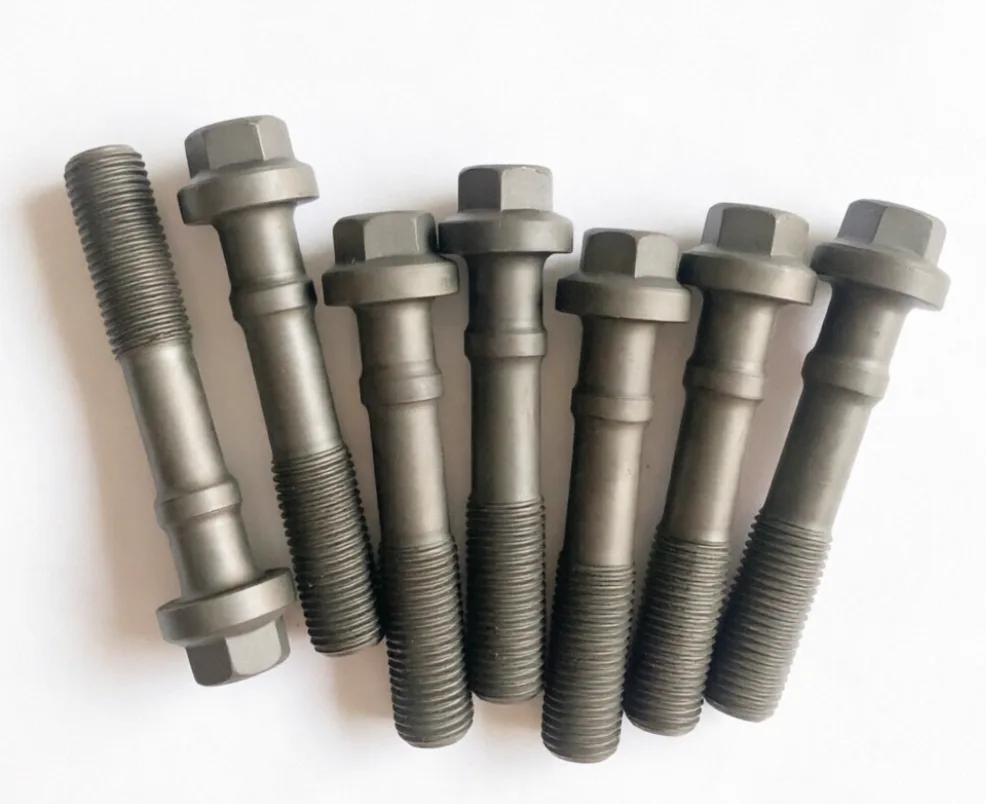
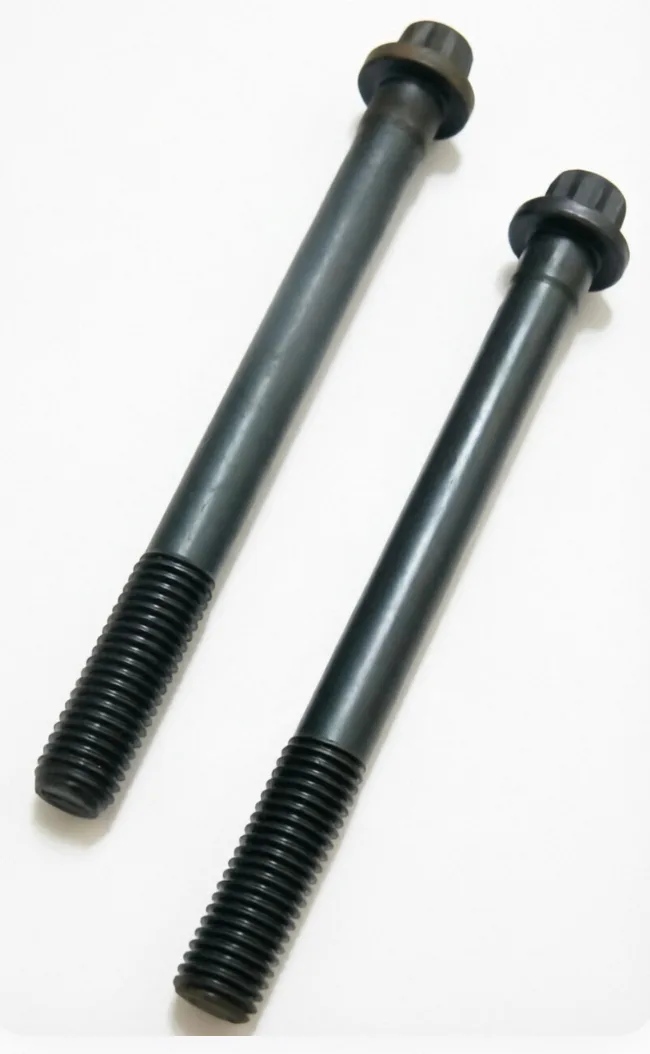
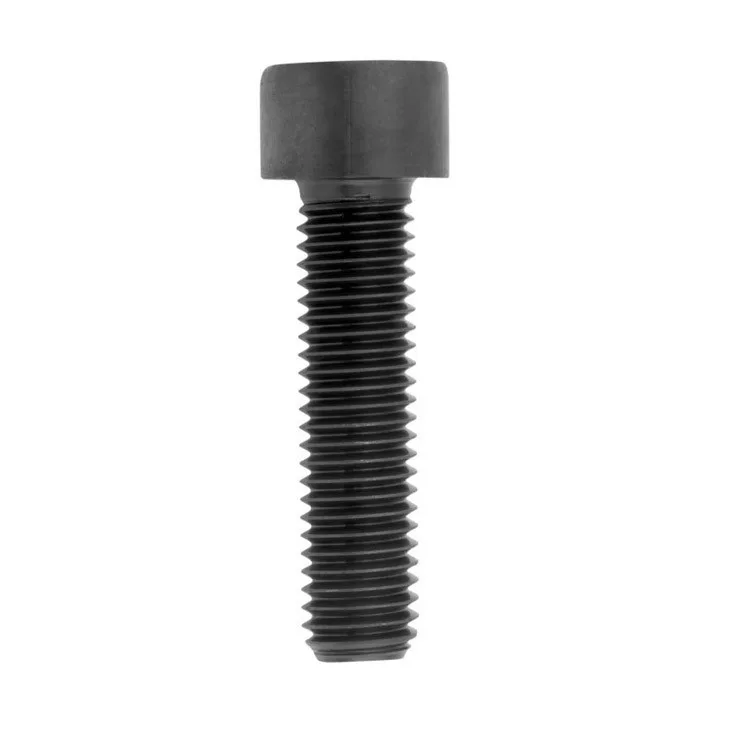
Connecting rod bolts are critical engine fasteners used to clamp the rod cap to the connecting rod while the joint is exposed to repeated tensile load, inertia load and vibration. They should be specified by OEM drawing rather than treated as standard hex bolts because shank diameter, thread runout, under-head radius, bearing face and tightening method all affect fatigue performance.
This range covers SCM435 and 42CrMo alloy steel connecting rod bolts in grade 12.9, commonly supplied from M6 to M12 for passenger car, commercial vehicle, performance engine and selected hybrid powertrain programs. Heat treatment, controlled thread rolling, head geometry and lot traceability are managed according to the approved drawing and inspection plan.
Black oxide is a low-build finish often used for internal engine fasteners where dimensional fit and controlled assembly condition matter more than outdoor corrosion resistance. RFQs normally confirm torque, torque-angle or stretch-based tightening requirements, head style, thread length, material certificate level and whether PPAP or project inspection documents are required.
| Product type | OEM connecting rod bolts / con rod cap bolts |
|---|---|
| Standard basis | OEM drawing / engine maker specification |
| Material | SCM435 / 42CrMo alloy steel |
| Strength grade | 12.9, quenched and tempered |
| Size range | M6-M12 |
| Common models | M6 x 35, M7 x 40, M8 x 45, M9 x 50, M10 x 55, M12 x 65 by drawing |
| Thread type | Metric coarse or fine thread, rolled thread by drawing |
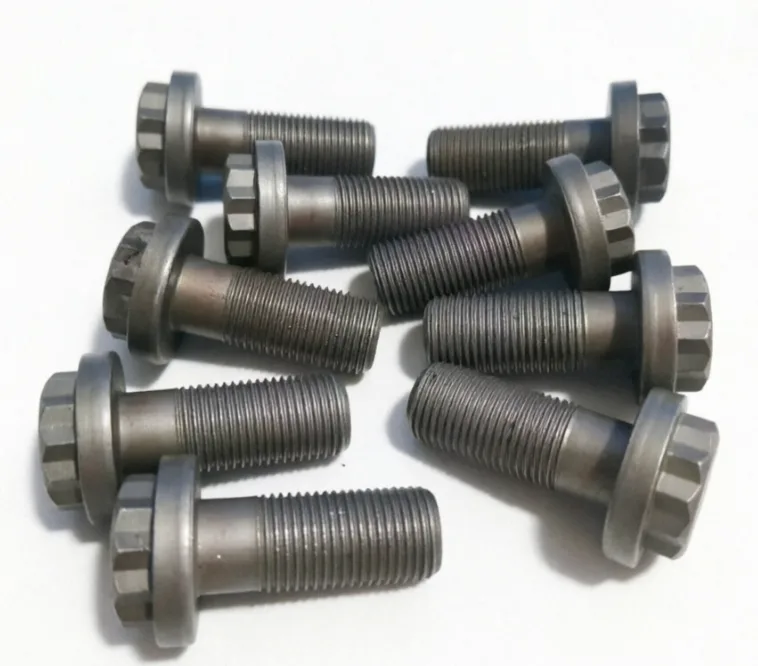
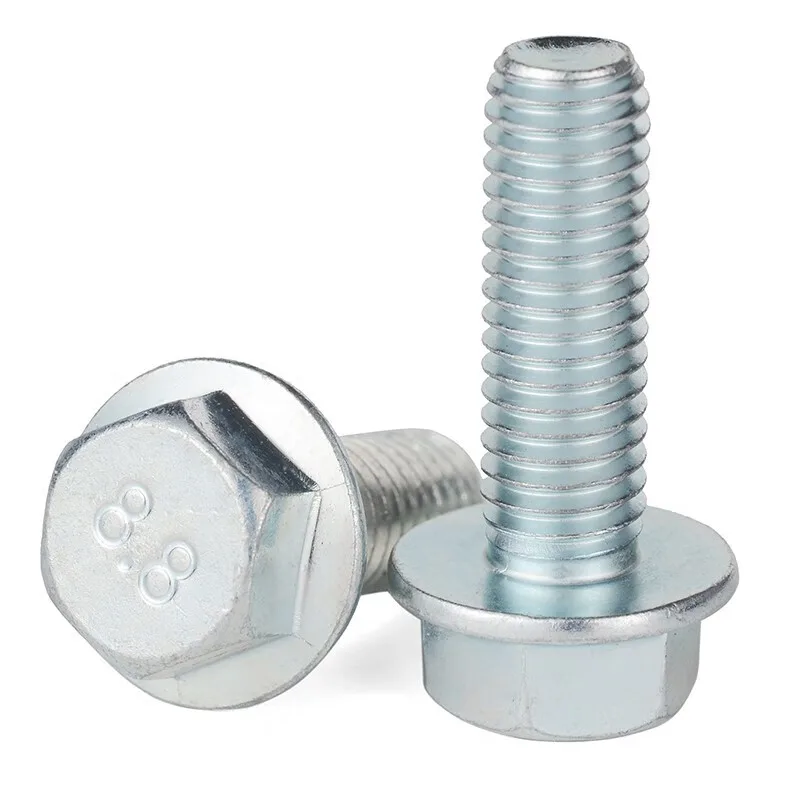
| Head and shank | 12-point, flange, hex or OEM head form with controlled shank and under-head radius |
| Surface finish | Black oxide / oiled black oxide; alternative finish only after engineering approval |
| Assembly control | Torque, torque-angle or bolt stretch requirements confirmed by OEM specification |
| Documentation | MTC, heat treatment record, hardness, tensile, dimensional report, PPAP support on request |
Selection
Grade 12.9 SCM435 / 42CrMo rod bolts are selected for con rod cap joints where fatigue strength, clamp retention and repeatable tightening are critical.
Automotive and EV fastenersDrawing-based M6-M12 connecting rod bolts can be produced for rebuild kits, performance engines and low-volume powertrain projects with controlled head and shank geometry.
Automotive powertrain fastenersSCM435 / 42CrMo high-fatigue bolts can support engine-related industrial equipment procurement when the drawing, tightening method and inspection plan are defined.
Industrial equipment fastenersAssembly
Manufacturing
FAQ
They work inside a fatigue-loaded engine joint, so the drawing controls shank diameter, head geometry, thread runout, surface condition and tightening method more tightly than a general-purpose bolt.
Yes. Grade 12.9 connecting rod bolts can be supplied in SCM435 or 42CrMo when the OEM drawing, heat treatment requirement and inspection criteria are confirmed.
Reuse depends on the engine maker specification. Bolts tightened by torque-angle or stretch method should not be reused unless the OEM service procedure clearly allows it.
Black oxide provides a low-build finish suitable for many internal engine applications. It is not selected as a heavy outdoor corrosion coating, so coating choice should follow the drawing.
Yes. The tightening method can be considered during drawing review, but the required torque, angle, stretch limit and acceptance criteria should come from the OEM specification.
Send the drawing, size, material, grade, head form, thread details, surface finish, tightening requirement, quantity and certificate or PPAP requirements.
Send your drawing, material, grade 12.9 requirement, size, head geometry, thread details, tightening method, surface finish and documentation needs. We can review manufacturability and quote a traceable production route.
Get engineering support and pricing for this product — our team responds within 24 hours.